





What is the cost of automatic tea making machine
The global tea market is undergoing a technological revolution, with automatic tea brewers emerging as a key innovation transforming how tea is prepared and consumed. These devices, which combine precision engineering with smart technology, are designed to deliver consistent, high-quality brews while minimizing human intervention. For consumers and businesses alike, understanding the cost dynamics of automatic tea brewers is crucial for making informed purchasing decisions. This article explores the factors influencing pricing, market trends, and the value proposition of these advanced brewing systems.
Factors Influencing Pricing
1.Technical Specifications and Features
The cost of an automatic tea brewer is heavily influenced by its technical capabilities. High-end models often incorporate advanced features such as:
Multi-phase brewing control: Systems that adjust water temperature, steeping time, and flow rate for different tea types (e.g., green, black, oolong).
Precision temperature sensors: Thermocouples or infrared sensors to maintain optimal brewing temperatures, often within ±1°C accuracy.
Automated tea baskets: Mechanisms that lift or rotate tea leaves during steeping to prevent over-extraction.
Smart connectivity: Wi-Fi or Bluetooth integration for remote monitoring via mobile apps, enabling users to customize recipes or track brewing history.
Material quality: Stainless steel or borosilicate glass construction for durability and heat retention.
For instance, a commercial-grade automatic tea brewer with ultrasonic extraction technology—designed to retain up to 20% more antioxidants than traditional methods—may cost significantly more than a basic household model due to its specialized components.
2.Capacity and Scalability
The brewer’s capacity directly impacts its price. Smaller units designed for home use (e.g., 12–16 oz servings) typically range from 35 to 100, while larger commercial models capable of brewing multiple liters at once can exceed $500. Scalability is particularly important for businesses like cafes or hotels, where high-volume brewing demands robust, industrial-grade machinery. Some advanced systems even include modular designs, allowing operators to expand capacity as needed without replacing the entire unit.
3.Brand and Innovation
While the article avoids specific brand names, it’s worth noting that patented technologies or unique design elements often drive up costs. For example, a brewer with a patented lever mechanism for automated tea basket movement—as seen in academic prototypes—may command a premium due to its novel engineering. Similarly, models incorporating AI-driven flavor optimization algorithms, which analyze tea leaf composition to adjust brewing parameters, represent cutting-edge innovation that justifies higher pricing.
4.Market Segment
The automatic tea brewer market caters to diverse segments:
Household consumers: Prioritize affordability, ease of use, and compact design. Prices for entry-level models start at 35,with mid−range options around 150–$200.
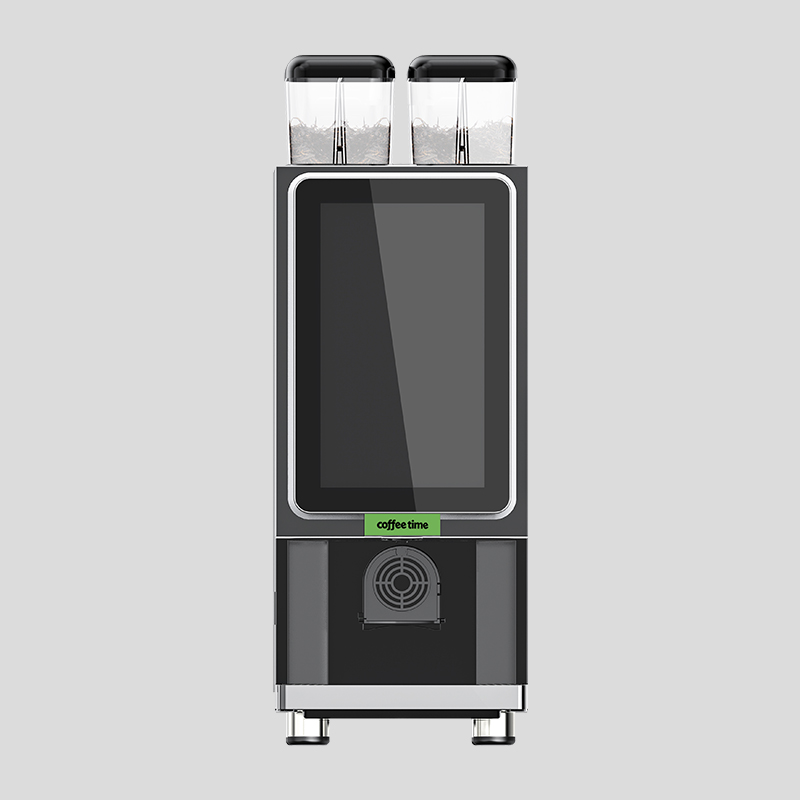
Commercial establishments: Require durability, high capacity, and multi-user functionality. These brewers often cost 300–800, depending on features like touch-screen interfaces or recipe memorization.
Specialty tea retailers: Seek precision tools for artisanal blends, such as brewers with adjustable water flow rates or customizable steeping profiles. These niche products can exceed$1,000.
Market Trends and Cost Analysis
1.North America as a Growth Leader
The North American tea brewer market, valued at approximately 354 million in 2024, is a hotbed for innovation. Health - conscious millennials and specialty tea cafes are driving demand for automatic brewers that offer consistency and scalability. For example, a mid - range commercial brewer in this region might cost 400–$600, reflecting advanced features like mobile app integration and energy-efficient heating systems.
2.Rising Adoption in Commercial Spaces
Hotels, restaurants, and offices are increasingly adopting automatic tea brewers to streamline operations. A study of high-traffic venues revealed that brewers with multi-brew settings—allowing simultaneous preparation of different tea types—reduced labor costs by 30% while improving customer satisfaction. Such systems typically fall in the 500–800 range, justified by their ability to serve hundreds of customers daily.
3.Sustainability and Cost Efficiency
Modern automatic tea brewers are designed with sustainability in mind. By eliminating trial-and-error brewing, these devices reduce tea waste and lower long-term costs. For instance, a business using a $600 commercial brewer could recoup its investment within a year through reduced material waste and improved efficiency. Additionally, energy-efficient models with programmable timers further cut operational expenses.
4.Open-Source and DIY Alternatives
For budget-conscious users, open-source projects and DIY kits offer a lower-cost entry point. Academic prototypes, such as those built using Arduino microcontrollers and 3D-printed components, can cost as little as 100–150. While these lack the polish of commercial products, they demonstrate the feasibility of affordable automation for hobbyists.
Value Proposition: Why Invest in an Automatic Tea Brewer?
The initial cost of an automatic tea brewer is offset by its long-term benefits:
Consistency: Eliminates human error, ensuring every cup meets the same quality standards.
Time savings: Frees up staff or users to focus on other tasks.
Customization: Advanced models allow users to save and replicate favorite recipes.
Scalability: Commercial brewers can grow with a business’s needs.
Sustainability: Reduces waste and energy consumption compared to traditional methods.
For example, a household user spending 200 on a high - end automatic tea brewer might save hundreds annually by avoiding overpriced café teas, while a café investing 800 in a commercial unit could see a 20% increase in tea-related revenue due to improved efficiency and customer loyalty.
Conclusion
The cost of an automatic tea brewer varies widely based on technical specifications, capacity, and market segment. While household models can be as affordable as 35, commercial - grade systems with advanced features may exceed 800. However, the value proposition of these devices—consistent quality, time savings, and scalability—makes them a worthwhile investment for both consumers and businesses. As automation and smart technology continue to evolve, the automatic tea brewer is poised to become an indispensable tool in the global tea industry, offering a perfect blend of tradition and innovation. Whether for personal enjoyment or commercial success, the automatic tea brewer represents a forward-thinking approach to one of the world’s oldest beverages.
FAQ
What is an automatic tea brewer?
An automatic tea brewer is designed to simplify tea preparation by controlling water temperature, brewing time, and tea quantity. Our automatic tea brewer provides consistent results with easy operation, making it suitable for restaurants, cafes, hotels, offices, and other commercial beverage applications.
What types of tea can an automatic tea making machine brew?
An automatic tea making machine can be used for various tea types, including black tea, green tea, oolong tea, white tea, and herbal tea. Brewing parameters can be adjusted according to different tea characteristics, helping operators achieve consistent flavor and strength.
How does an automatic tea making machine improve brewing efficiency?
An automatic tea making machine automates key brewing steps such as water heating, tea infusion, and brewing-time control. This reduces manual operation and helps staff prepare multiple servings efficiently, making the machine suitable for busy commercial environments with frequent tea orders.
Can an automatic tea making machine be customized?
Yes, an automatic tea making machine can be customized according to application requirements. Manufacturers may provide options for brewing capacity, control systems, heating methods, appearance, voltage, and other configurations. OEM and ODM services can also support specific branding and functional requirements.
Is an automatic tea making machine easy to clean?
Most automatic tea making machines are designed with accessible components and practical cleaning procedures. Regular cleaning of the brewing chamber, water system, tea residue areas, and other contact parts helps maintain hygiene, consistent performance, and reliable long-term operation.


