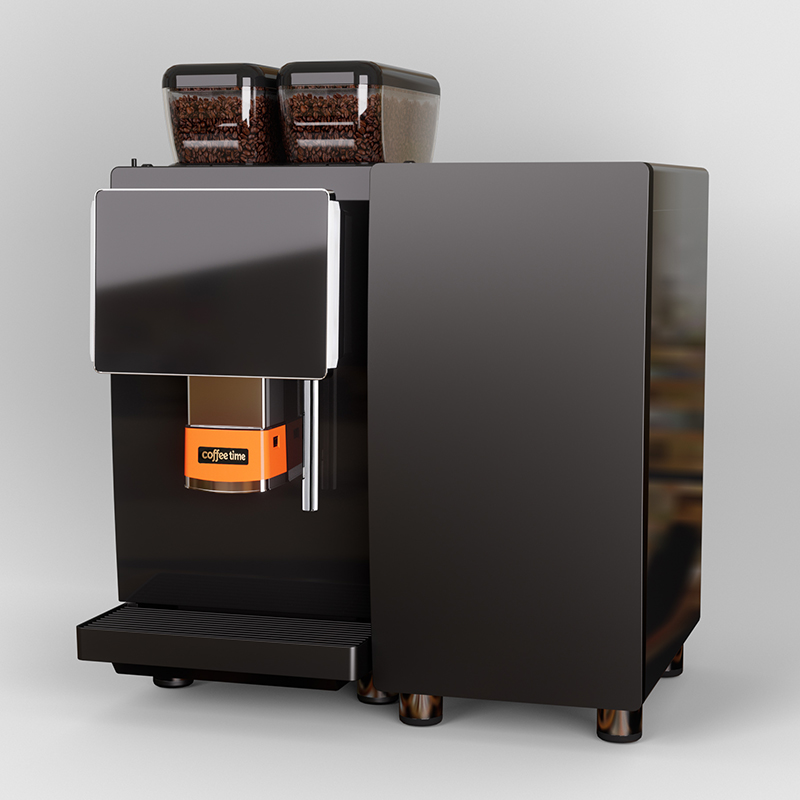


What to consider when buying bean to cup coffee machine
In the modern era, coffee has transcended its status as a mere beverage to become a cultural phenomenon and a daily ritual for millions worldwide. For those who seek the freshest and most authentic coffee experience, a bean to cup coffee machine stands as an ideal choice. These machines automate the entire process from grinding fresh coffee beans to brewing a rich, aromatic cup, ensuring maximum flavor and aroma. However, with a wide array of options available in the market, selecting the right bean-to-cup coffee machine requires careful consideration of several key factors.
1.Machine Type and Brewing Style
Bean to cup coffee machines come in various types, each catering to different brewing preferences and user needs. The most common types include fully automatic, semi-automatic, and manual machines.
Fully automatic machines are the most user-friendly option, handling every step of the coffee-making process—from grinding and tamping to brewing and even milk frothing—with a single button press. These machines are ideal for busy households, offices, or beginners who want café-style drinks at home without the hassle of manual operation. They offer consistent results with minimal effort and often come with customizable settings for strength, volume, and temperature.
Semi-automatic machines, on the other hand, automate the heating and water-pumping processes but leave the grinding, tamping, and extraction timing to the user. This balance of automation and control makes them a popular choice for both home and professional use, allowing users to experiment with different brewing variables to achieve their desired flavor profile.
Manual bean to cup machines give complete control over the entire espresso-making process, including grinding, dosing, tamping, and extraction timing. These machines are favored by experienced baristas and coffee enthusiasts who want to fine-tune every aspect of their coffee to achieve the perfect shot. While they offer unmatched control and potential for superior espresso quality, they also come with a steep learning curve and require consistent technique.
2.Grinding Capabilities
The quality of the grind is crucial for extracting the best flavors from coffee beans. A good bean to cup coffee machine should have a built-in grinder with adjustable grind settings to accommodate different brewing methods and coffee bean types.
The grind size can significantly impact the taste of the coffee. For example, a fine grind is suitable for espresso, as it allows for a quick extraction and produces a rich, concentrated flavor. A coarser grind, on the other hand, is better for drip coffee or French press, as it prevents over-extraction and results in a smoother, less bitter taste.
When evaluating a machine's grinding capabilities, consider the type of grinder it uses. Burr grinders are generally preferred over blade grinders, as they produce a more consistent grind size and generate less heat, which can affect the flavor of the coffee. Additionally, look for machines that allow you to adjust the grind settings easily, either through a dial or a digital interface.
3.Brewing Performance and Consistency
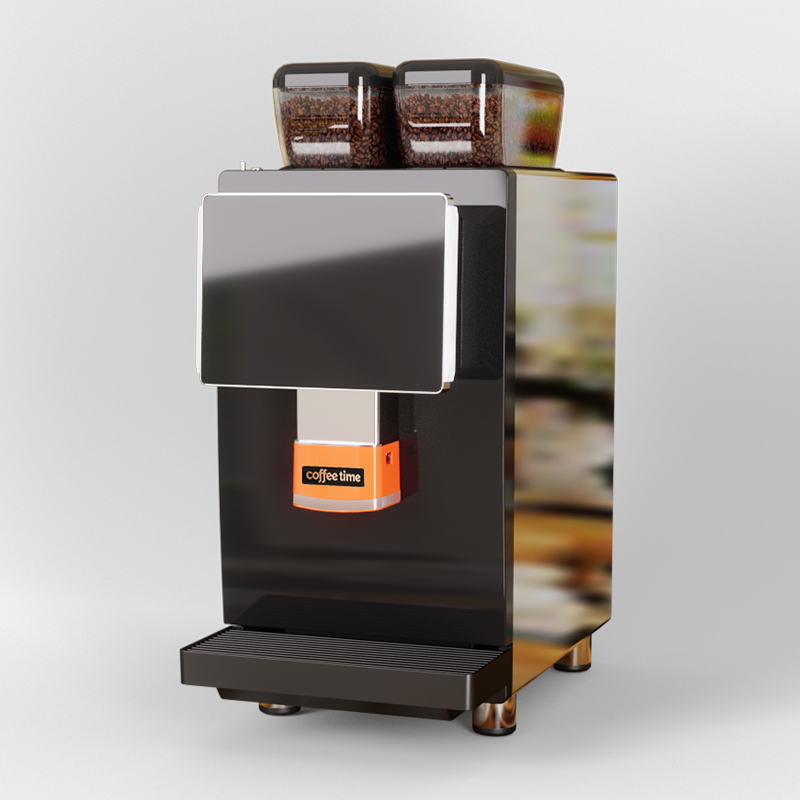
The ability to consistently brew high-quality coffee is a hallmark of a good bean to cup coffee machine. When assessing a machine's brewing performance, consider factors such as water temperature control, pressure stability, and extraction time.
Water temperature plays a critical role in coffee extraction. The ideal water temperature for brewing coffee is between 195°F and 205°F (90°C–96°C). A machine that can maintain a consistent water temperature throughout the brewing process will ensure that the coffee is extracted evenly, resulting in a balanced and flavorful cup.
Pressure stability is also important, especially for espresso-based drinks. The optimal pressure for espresso extraction is around 9 bars. A machine that can maintain a stable pressure will produce a rich, creamy crema and a well-extracted espresso shot.
Extraction time is another key factor to consider. The ideal extraction time for espresso is between 25 and 30 seconds. A machine that can control the extraction time accurately will help you achieve the perfect balance of flavors in your coffee.
4.Capacity and Size
The capacity and size of the bean to cup coffee machine are important considerations, especially if you plan to use it in a commercial setting or have limited counter space.
The water tank capacity determines how many cups of coffee you can brew before needing to refill the tank. For home use, a water tank capacity of 1.5 to 2 liters is usually sufficient. However, for commercial use or large households, a larger water tank capacity of 3 liters or more may be necessary.
The bean hopper capacity is also important, as it determines how much coffee you can grind before needing to refill the hopper. A larger bean hopper capacity is ideal for high-volume settings, as it reduces the frequency of refilling and ensures a consistent supply of fresh coffee beans.
In addition to capacity, consider the size of the machine itself. Make sure it fits comfortably on your countertop and leaves enough space for other kitchen appliances. If you have limited counter space, look for compact or built-in models that can save space.
5.Ease of Use and Maintenance
A bean to cup coffee machine should be easy to use and maintain, especially if you are a beginner or have a busy lifestyle. Look for machines with intuitive interfaces, clear instructions, and one-touch operation for common drinks like espresso, cappuccino, and latte.
Cleaning and maintenance are also important considerations. A machine that is easy to clean will save you time and effort in the long run. Look for models with removable parts, such as the drip tray, water tank, and bean hopper, that can be easily washed in the sink or dishwasher. Some machines also come with automatic cleaning cycles that can help keep the internal components clean and functioning properly.
6.Additional Features and Customization Options
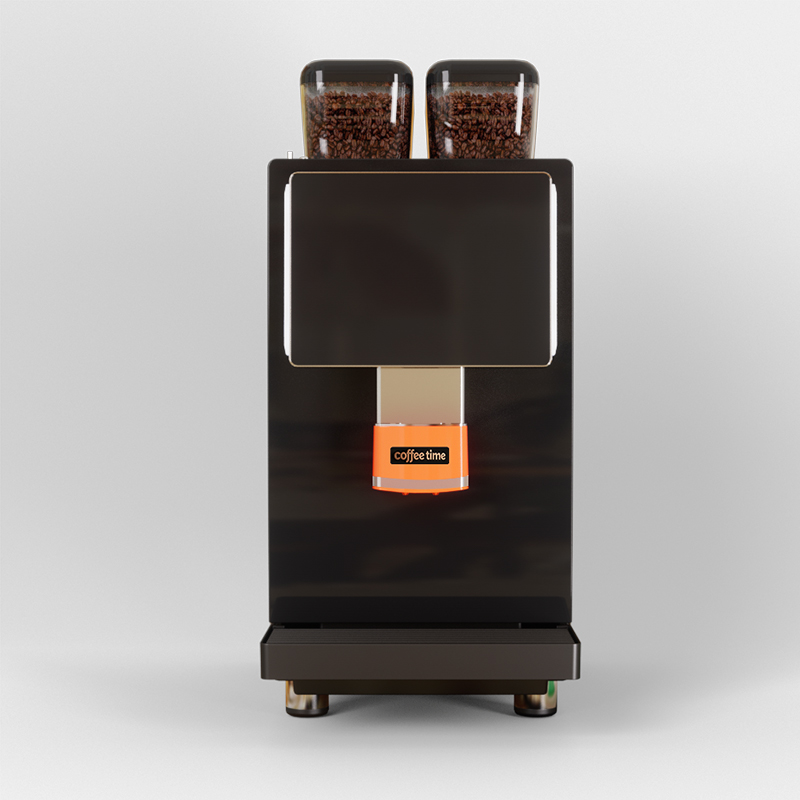
Many bean to cup coffee machines come with additional features and customization options that can enhance your coffee-making experience. Some common features include:
Milk Frothing System: If you enjoy milk-based drinks like cappuccinos and lattes, look for a machine with a built-in milk frothing system. Some machines come with automatic milk frothers that can create perfect microfoam with the touch of a button, while others require manual frothing using a steam wand.
Programmable Settings: Programmable settings allow you to customize the strength, volume, and temperature of your coffee to suit your personal preferences. Some machines even allow you to save your favorite settings for quick and easy brewing.
Multiple Drink Options: Look for machines that offer a variety of drink options, such as espresso, cappuccino, latte, americano, and mocha. This will allow you to enjoy a wide range of coffee drinks without needing to purchase multiple machines.
Smart Features: Some modern bean to cup coffee machines come with smart features like Wi-Fi connectivity, mobile app control, and voice activation. These features allow you to control the machine remotely, monitor its status, and receive notifications when it's time to refill the water tank or bean hopper.
Conclusion
Choosing the right bean to cup coffee machine requires careful consideration of several key factors, including machine type and brewing style, grinding capabilities, brewing performance and consistency, capacity and size, ease of use and maintenance, and additional features and customization options. By evaluating these factors based on your personal preferences, brewing needs, and budget, you can find a bean to cup coffee machine that will provide you with years of delicious, freshly brewed coffee. Whether you are a coffee enthusiast looking for the perfect espresso shot or a busy professional who needs a quick and convenient way to make coffee at home or in the office, a bean-to-cup coffee machine is a great investment that can enhance your daily coffee experience.