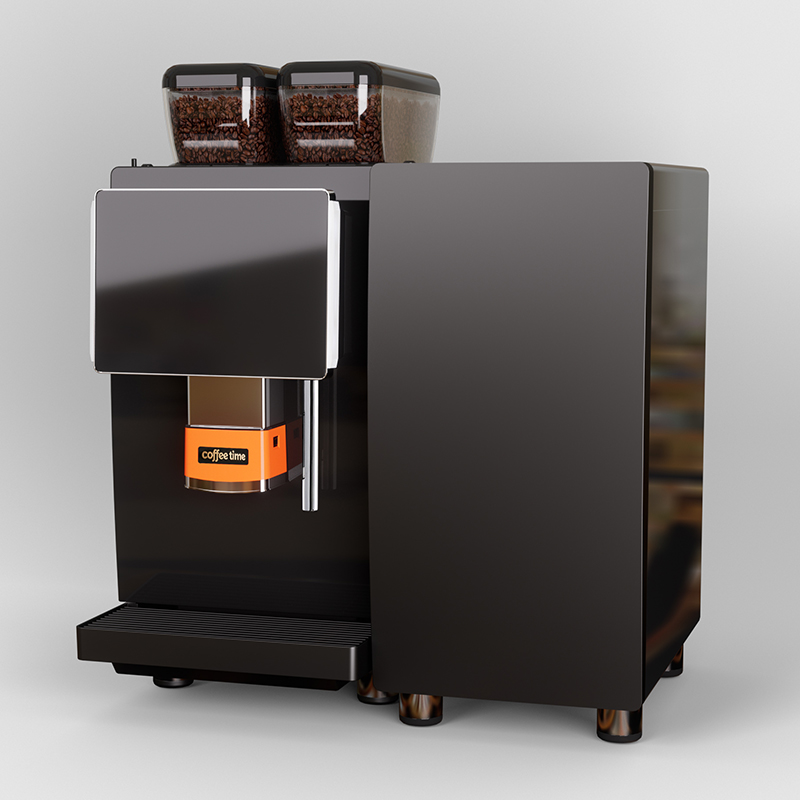
Automatic bean to cup coffee machine vs Traditional Coffee Machines: Which Wins
HomeCompany newsAutomatic bean to cup coffee machine vs Traditional Coffee Machines: Which Wins
Automatic bean to cup coffee machine vs Traditional Coffee Machines: Which Wins
2026-10-16
View:59
Which machine truly wins: an automatic bean to cup coffee machine or a traditional brewer? You will find no single champion here. Your daily routine, your budget, and your taste preferences decide the outcome. Some drinkers value speed and push-button ease. Others enjoy the hands-on craft of grinding, tamping, and pulling a shot. You must weigh convenience, coffee quality, cost, maintenance, and ease of use before you choose. This comparison stays fair and practical. You will see honest strengths on both sides. Then you can match a machine to your own priorities.
Key Takeaways
Automatic machines offer speed and consistency with one-button operation.
Traditional machines give you full control to craft your perfect cup.
Consider your daily routine, budget, and willingness to learn before choosing.
Both types require regular cleaning and maintenance to perform well.
Match your machine to your needs: convenience for busy days, craft for coffee lovers.
What Is an Automatic Bean to Cup Coffee Machine?
An automatic bean to cup coffee machine grinds fresh beans and completes every brewing stage on its own. You fill the hopper and water tank, then press a button. The machine handles the rest. This design sits in the sweet spot between fresh grinding and one-touch convenience. You get freshly ground coffee without the manual work.
How It Works
The process follows a clear sequence. You fill the water tank and bean hopper first. Next, you select a drink or custom setting. The grinder then prepares fresh coffee from whole beans. The machine brews the shot by extracting the ground coffee with hot water. If your drink needs milk, the milk system finishes it by steaming milk. One-touch programs automate this workflow. Some models also let you adjust grind size, temperature, and milk texture.
High-end automatic machines show what a professional-grade model can do. The Tango XP Duo features a brewer capacity of 2 groups – up to 440 cups/h, while the Tango XP Solo offers 1 group – up to 230 cups/h. Both include touchscreen commands for programmable steam and hot water, a selectable European-style interface (ristretto, espresso, lungo) or American-style interface, support for up to 300 ml drinks and multi-shot recipes, a built-in USB port for transferring recipes and settings, and a display that can be personalized with a custom background image.
Fully automatic and assisted models both exist. You trade some manual control and customization for speed and consistency.
Who It's For
This machine suits busy settings. Offices, cafés, and hotels need fast, reliable drinks. High-volume environments benefit most. High-end models fit large purchasers who want café-grade coffee without hiring skilled baristas.
Home users with tight schedules also gain. You wake up, press a button, and hold a fresh cup within moments. You skip grinding, tamping, and cleanup. If you value craft and hands-on control, a traditional machine may serve you better. If you value speed and repeatable results, this category wins.
What Is a Traditional Coffee Machine?
A traditional coffee machine covers a wide family of brewers. This group includes manual and semi-automatic espresso machines, pour-over setups, French press, and drip brewers. Each type gives you a different level of hands-on involvement. The common thread is simple: you play a direct role in the brewing process.
How It Works
Manual espresso machines, also called piston machines, are the original design. You build the pressure for a shot by hand. This gives you complete control over the brew, but it demands skill and precision. Semi-automatic espresso machines balance manual and automatic operation. You grind and tamp the espresso grounds before brewing. You also control the amount of espresso in each cup and froth the milk yourself. The machine manages brew temperature, pump pressure, thermal stability, and water delivery consistency.
Espresso requires 9+ bars of pressure to force water through finely ground coffee in 25-30 seconds, creating the concentrated shot and crema that define espresso. Both pour-over and French press brewing use atmospheric pressure, producing regular coffee. Neither method produces true espresso.
Other traditional brewers work differently. Pour-over uses manual percolation with a paper filter. Drip brewing automates percolation. French press uses full immersion and a metal mesh filter. You grind coarse, add hot water around 200°F, and steep for exactly 4 minutes.
Who It's For
Traditional machines suit drinkers who want control and craft. Espresso and semi-automatic machines demand medium to high operator skill. You manage grinding, dosing, and extraction timing. That effort rewards you with higher potential quality.
Pour-over and French press appeal to hobbyists who enjoy the ritual. Drip brewers serve households that want simple batch brewing. If you value hands-on control over push-button speed, this category fits you. The trade-off is clear: more time and skill for more control.
Coffee Quality Compared
Consistency and Control
An automatic bean to cup coffee machine wins on repeatability. The built-in grinder prepares beans just before extraction. This timing helps the coffee retain essential oils, aromatic notes, and body. Those compounds fade when coffee sits ground for a long time. Fresh grinding translates into a cup with more flavor and a richer texture. Even non-experts notice the difference from the first sip. High-precision flat burr grinders deliver a uniform grind and stable extraction. You get a balanced shot every time, even at high volumes. The integrated grinder, brew group motor, and ejection system prevent clogs, maintain stable tamping, and eliminate channeling. You still need initial calibration and ongoing grind size monitoring for flavor consistency.
Traditional machines give you direct control over every variable. Grind size acts as the primary resistance variable and the first and most powerful lever you control. Espresso extracts under pressure in only 25 to 35 seconds. A single click on a burr grinder can shift shot time by several seconds and reshape flavor balance. When the grind is wrong, no amount of tamping or temperature adjustment can rescue the shot. You must also watch for channeling. This problem occurs when water finds weak paths through the puck. It over-extracts some areas and bypasses others. Causes include uneven distribution, poor tamping, clumps in fine grinds, and inconsistent grind size. Symptoms include sour and bitter flavors together, thin body, and fast or uneven shot flow. Proper distribution tools, careful tamping, and consistent grind quality dramatically reduce channeling.
Flavor Potential and Craft
Traditional brewing offers higher potential quality at its best. You manage dose, yield, grind, and puck preparation as inputs. Time and flow are observations. Taste is your final evaluation. A skilled barista can dial in a shot that balances acidity, sweetness, bitterness, finish, and texture. The process rewards patience and practice. You start with a suitable coffee and a recipe like a 1:2 ratio, such as 18 g in and 36 g out. You fix the dose and keep it unchanged during initial grind adjustments. You fix the beverage yield so strength and extraction stay comparable shot to shot. You observe time and flow, but you do not grade the shot by time alone. You taste the espresso and adjust one variable at a time. Grind is usually the first lever. Finer increases resistance and slows the shot. Coarser reduces resistance and speeds it up. You repeat and record dose, yield, time, grind setting, and taste notes. You stop when the cup is balanced and repeatable.
Automatic machines trade some of this craft for reliability. You cannot easily adjust tamping pressure or distribution technique. The machine handles those steps for you. This limits your ability to chase a specific flavor profile. However, the automatic bean to cup coffee machine still requires grind size monitoring. You can dial in the grind to influence extraction. The difference lies in how much control you want. Traditional brewing gives you every lever. Automatic brewing gives you consistent results with less effort.
Speed and Productivity
High-Volume Settings
Speed decides the winner in busy settings. An automatic bean to cup coffee machine grinds, brews, and finishes drinks with one touch. This workflow removes the slow steps of manual grinding and tamping. You serve more customers in less time.
Throughput varies by model. The table below shows daily cup capacities for high-volume machines.
Model
Daily Cup Capacity
Parallel Dispensing
Best Suited For
Franke A600
Up to 170 cups/day
No
Cafes, bakeries, restaurants
Franke A800 Fresh Brew
Up to 250 cups/day
Yes
Hotels, high-volume QSR
Franke A1000
Up to 300 cups/day
Yes
Large venues, premium hospitality
Parallel dispensing changes the math at peak hours. The A800 can prepare two beverages simultaneously from a single machine. This feature doubles usable throughput during a rush. If your peak hour exceeds 30 drinks, the A800 is the practical choice over the A600.
When Slow Brewing Wins
Traditional methods outperform automatics in specific quality scenarios. You gain an edge when flavor clarity matters most.
Black coffee drinkers seeking flavor clarity benefit from pour-over gear like V60, Kalita, or Chemex. Manual control over every variable enhances clarity.
Those wanting robust, fuller-bodied black coffee prefer manual press brewers like AeroPress or French press. These tools are portable, affordable, and flavorful with minimal fuss.
Traditional filter coffee drinkers enjoy South Indian filter coffee makers. This design needs no pressure. Authentic taste depends on grind, fresh beans, and technique.
Experimenters refining technique use semi-automatic espresso machines with a quality kettle and grinder. Control over dose, tamp, and flow rewards experimentation.
A smart coffee maker with poor brewing hardware will not outperform a well-built traditional machine. Smart features only add value when they provide meaningful control over temperature, extraction, and pour profile. Manual pour-over sets the standard for bloom and pre-infusion control, which many automatic machines lack.
An ex-barista explains that manual machines require the user to grind, dose, tamp, and steam manually, giving the operator direct control over the brewing process. In contrast, automatic bean-to-cup machines make the entire coffee for you with no manual intervention.
Ease of Use and Training
Push-Button Simplicity
An automatic bean to cup coffee machine removes almost every barrier for new users. You fill the hopper, fill the water tank, and press a button. The machine grinds, doses, tamps, and brews for you. Your staff can produce a consistent latte or cappuccino on their first shift because the recipe lives in the machine, not in the employee. That protects quality on understaffed mornings and shortens training from weeks to minutes.
The training gap between machine types is dramatic. Consider the difference in onboarding time.
Machine Type
Training Time
Super-automatic
Minutes
Traditional
Days to weeks (to achieve quality output)
This advantage matters most when staffing changes frequently. You do not need to schedule shadow shifts or worry about a new hire pulling a bad shot during a rush. The machine enforces consistency on its own.
Skill and Learning Curve
Traditional machines reward practice; they do not eliminate the need to learn. You face several common challenges when you start. Inconsistent dose and yield happen when you measure coffee by volume or stop shots by time. Unstable temperature occurs when you fail to preheat the machine, portafilter, and cup. Poor distribution and tamping cause channeling and uneven flow. A grind that is not calibrated for espresso limits your control over extraction. Ignoring water quality harms taste and speeds up scale buildup. Skipping routine cleaning introduces off-flavors and reduces performance.
Most users can pull decent shots within a few weeks of daily practice. Mastering dial-in, milk texture, and recipe tuning often takes several months. Manual machines offer more control but require more practice for consistent results. Automated systems reduce the learning curve, which is a clear advantage when staffing changes frequently.
Maintenance and Cleaning
Daily Routine Care
You must clean your machine every day to protect flavor and performance. An automatic bean to cup coffee machine handles many brewing steps for you. You still need to rinse the drip tray, empty the grounds container, and wipe the steam wand after each use. These small habits prevent milk residue from hardening and clogging the wand.
Maintenance needs vary by machine type, water quality, usage frequency, and internal design. Espresso machines may require daily cleaning of the group head and steam wand. Capsule machines may need descaling and brewing chamber cleaning. Drip coffee makers require regular cleaning of the filter basket, carafe, water system, and hot plate. Your routine should cover daily, weekly, and monthly tasks. These tasks include descaling, water filtration, backflushing, steam wand cleaning, and water tank care.
Long-Term Servicing
The total cost of ownership extends far beyond the purchase price. You will pay for several recurring items over the life of your machine. These include:
Coffee or capsule costs
Labor
Cleaning products
Water filters
Spare parts
Repairs
Downtime
Expected service life
Water quality affects how often you service your machine. Filtered water, cartridges, or treatment appropriate to your local water supply protect taste and reduce mineral buildup. Cleaning supplies like detergent, tablets, brushes, cloths, and replacement filters form another routine cost. Electricity for warm-up and active use is usually smaller than ingredient costs. Service and wear items like gaskets, burrs, seals, labor, and shipping may fall outside your warranty.
A warranty can lower ownership risk, but you should read its duration, exclusions, claims process, and responsibility for shipping or labor. The U.S. Federal Trade Commission recommends checking what a written warranty covers and what the company will do if the product fails. Keep your purchase receipt and a copy of the warranty terms that applied when you bought the machine.
Cost and ROI
Upfront and Ongoing Costs
You pay more upfront for an automatic bean to cup coffee machine. The built-in grinder, brewer, and milk system add to the price. Traditional machines cost less at purchase. A manual espresso maker or French press requires a smaller initial investment. However, you must buy a separate grinder, scale, and tamper to match the automatic's capabilities.
Ongoing costs tell a different story. You will spend money on beans, water treatment, cleaning supplies, and repairs over time. The table below shows common annual costs you should expect.
Ongoing cost item
Estimated annual cost
Replacement water treatment items
$20–$50
Descaler and cleaning supplies
$30–$60
High-quality specialty coffee beans
$15–$30+ per pound
Surge suppressors
$50–$500
Manual setups often require more accessory investment. Automatic machines bundle some components but incur higher service costs. Manual machines have simpler mechanics and lower long-term costs. Automatic machines may need more maintenance over time due to more moving parts and electronics.
Value for Homes vs Businesses
For home users, value depends on your daily routine. A traditional setup rewards you with lower upfront costs and simple maintenance. You trade time and skill for savings. An automatic machine saves you time every morning. You press a button and get a consistent drink. That convenience has a price.
For businesses, ROI is the key measure. A higher upfront price delivers long-term value by cutting labor expenses, speeding up service, and maintaining consistent output. In busy offices and hotels, quicker service lets you serve more customers in the same timeframe. That directly raises revenue. Less reliance on specialized staff reduces operating costs. Consistent performance also lowers complaints and boosts customer satisfaction. Over time, these benefits produce a solid return on investment. The machine becomes a dependable business asset.
Pros and Cons at a Glance
Automatic Bean to Cup Pros and Cons
An automatic bean to cup coffee machine delivers speed and consistency above all else. You press one button and the machine grinds, doses, tamps, and brews for you. This workflow suits busy mornings, multi-user households, and self-service areas in offices or hotels. Staff training takes minutes, not weeks. The machine enforces the same recipe every time, so quality stays stable even when different people operate it. Milk preparation is often automated too, which simplifies lattes and cappuccinos.
The trade-offs center on control and cost. You cannot easily correct a shot when your coffee changes. The machine follows its programmed workflow, so you lose the ability to adjust grind, dose, and yield on the fly. The upfront price is higher because the grinder and brewing system come packaged together. Cleaning still matters. You must maintain the brew unit, drip tray, milk system, and descaling schedule. For all-day reliability, you accept less manual flexibility in exchange for predictable results.
Traditional Machine Pros and Cons
Traditional machines give you the highest level of manual control. You manage grind, dose, yield, temperature, and puck preparation directly. This hands-on approach lets you learn espresso as a skill and experiment with new beans and recipes. A skilled barista can dial in a shot that balances acidity, sweetness, and texture in ways an automatic machine cannot easily match. The machine price is often lower at entry level, which appeals to hobbyists who want to build their setup over time.
The downsides involve time, skill, and hidden costs. You must grind, distribute, tamp, pull the shot, and steam milk yourself. Daily cleaning is more visible and hands-on. A lower machine price can mislead you because you still need a separate grinder, scale, tamper, distributor, milk pitcher, and cleaning tools. These accessories add up quickly. Traditional brewing rewards patience and practice, but it demands both. If you want barista-style coffee without a cluttered station, this path requires real commitment.
Which Automatic Bean to Cup Coffee Machine Fits You?
You have compared both machine types across every major factor. Now you need a practical way to decide. The right choice depends on your budget, your daily cup volume, your available space, your willingness to maintain the machine, and the drink variety you want. Use the checklists below to match a machine to your real needs.
Checklist for Home Users
You are a time-poor, energy-poor coffee lover. You want a reliable, quick, consistent drink every morning. Ask yourself these questions before you buy.
How many cups do you drink each day? A single-cup routine may not justify a large automatic machine.
How much counter space do you have? Measure the footprint, overhead clearance, and access to the water tank or hopper.
What is your initial purchase budget? Automatic machines cost more upfront because the grinder and brewer come packaged together.
How much maintenance can you tolerate? You must still rinse the drip tray, empty the grounds container, and descale on schedule.
What drinks do you want? If you enjoy lattes and cappuccinos, look for an automatic milk system.
Assess your coffee knowledge honestly. Do you understand extraction variables like temperature, pressure, and time? Do you want to develop barista skills, or do you prefer immediate results? If convenience is paramount and your daily volume justifies the investment, a fully automatic model fits you. If you approach coffee as an art form and prioritize sensory engagement over efficiency, a manual machine suits you better. A semi-automatic machine offers a middle path with strong control over grind, dose, yield, and technique.
Looking for a Reliable Commercial Coffee Machine Manufacturer & OEM/ODM Partner?
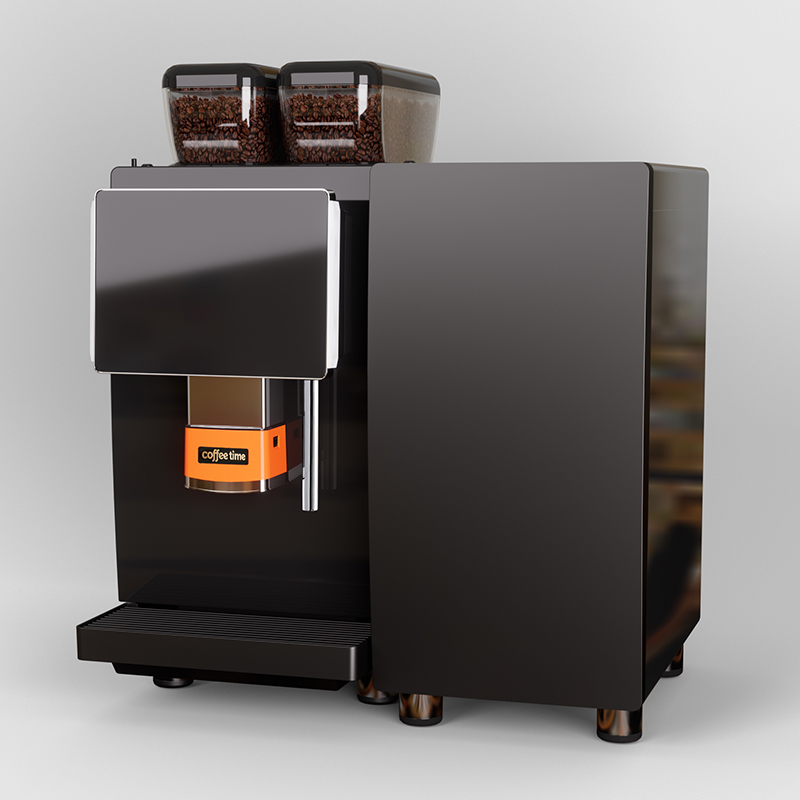
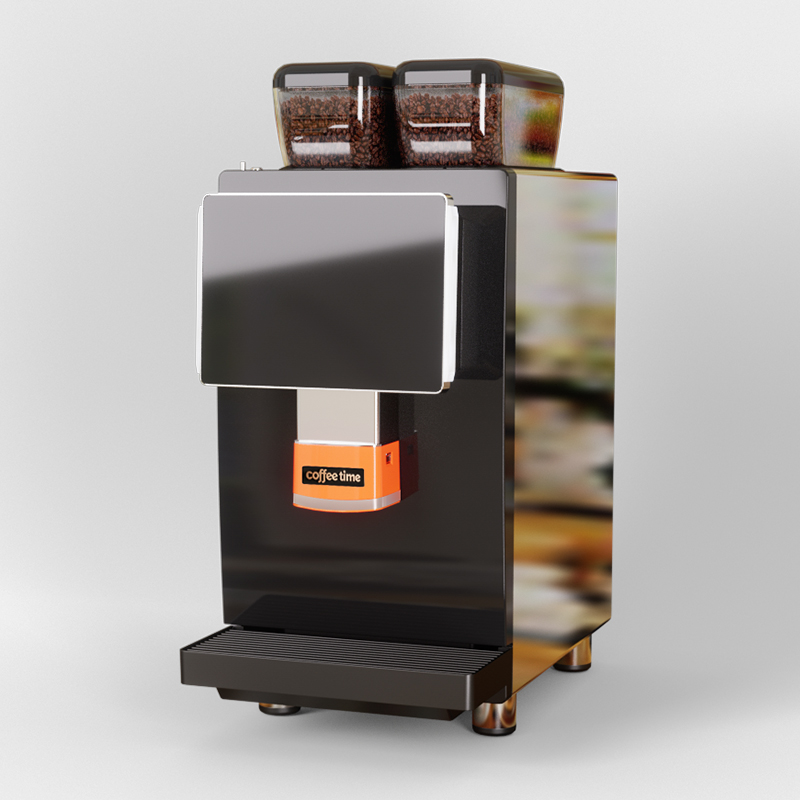
Coffee Time specializes in fully automatic commercial espresso coffee machines with over 20 years of manufacturing experience. Our product line covers W4, W5, W6 and P2000 series bean-to-cup machines, supporting fresh milk options and up to 24 drink recipes. We provide full ODM/OEM customization on structure, UI software, functional modules, appearance branding and packaging. With 100+ patents, a modern production base and global after-sales network covering 100+ countries, we serve distributors, brand wholesalers, hotel chains, convenience stores and HoReCa operators worldwide. Free samples are available (customer bears shipping cost). All products comply with CE, FCC and other international certifications.
Your needs differ from a home user's. You must serve many people quickly, often without a dedicated barista. Use this checklist to guide your decision.
What is your peak daily cup volume? High-volume settings may need a machine rated for 500+ cups per day.
Do you need self-service capability? A touch-screen interface lets customers and staff operate the machine with minimal training.
How many staff members will use it? Training time drops from days or weeks to minutes with a super-automatic model.
What is your available space? Commercial machines need room for the unit, cup clearance, and access for cleaning.
What is your maintenance tolerance? Internal brew and milk paths require owner cleaning plus approved routines.
What drink variety do you need? An optional fresh milk module adds hot and cold milk options.
Review the decision factors in the table below. It shows how user involvement, grind preparation, recipe control, milk workflow, and cleaning differ across machine types.
Decision factor
Manual
Semi-automatic
Fully automatic
User involvement
Highest
Moderate to high
Lowest during beverage preparation
Grind and puck preparation
User-managed
User-managed; grinder may be separate or integrated
Usually handled inside the machine
Recipe control
Direct mechanical control
Strong control over grind, dose, yield, and technique
Programmed settings within the model's range
Milk workflow
Depends on the specific machine
Manual steaming; heating system determines whether brewing and steaming can overlap
Automatic or separate, depending on model
Cleaning
Simple pathways but hands-on care
Group, portafilter, steam wand, and approved internal routines
Internal brew and milk paths plus owner cleaning
A high-volume business needs speed, consistency, and self-service capability. An automatic bean to cup coffee machine meets those demands. A home user with a tight morning schedule gains the same push-button simplicity. Match your checklist answers to your priorities, and you will choose the right machine for your routine.
No universal winner exists in this comparison. Only the best fit for you matters. An automatic bean to cup coffee machine delivers convenience and consistency. A traditional machine offers control and craft. You must weigh these trade-offs against your own needs.
Match your choice to your priorities, budget, and daily routine. Consider how many cups you drink, how much time you have, and how much skill you want to develop.
Before you buy, try both machine types. Visit a specialty coffee shop or a dealer showroom. Consult a specialist who can demonstrate each option. Test the workflow yourself. Your hands and your taste buds will reveal the right answer.
FAQ
Which machine makes a better cup of coffee?
Neither machine wins outright. An automatic bean to cup model grinds fresh beans right before brewing. This timing preserves oils and aroma for a consistent cup. A traditional machine lets a skilled barista dial in every variable. That hands-on control can reach higher peaks when you master the craft.
How long does it take to train staff on each machine type?
Training time differs sharply. You need only minutes to teach someone on a super-automatic machine. The programmed recipes handle grinding, dosing, and brewing. A traditional machine demands days to weeks of practice before your staff pulls quality shots consistently. This gap matters most when staffing changes often.
Do automatic machines cost more to own over time?
You pay more upfront for an automatic bean to cup coffee machine. The built-in grinder and brewing system raise the purchase price. Ongoing costs include beans, water filters, cleaning supplies, and occasional repairs. Traditional machines cost less at entry but require separate accessories like a grinder, scale, and tamper.
Can I make lattes and cappuccinos on both machine types?
Yes, both machine types can produce milk drinks. An automatic model with a fresh milk module handles steaming for you. You press one button and receive a finished latte. A traditional machine requires you to steam milk manually with the steam wand. That gives you texture control but adds time and skill.
How many cups per day can a high-volume automatic machine handle?
Capacity depends on the model. High-end models like the Tango XP Duo handle up to 440 cups/h, while the Tango XP Solo handles up to 230 cups/h. That makes them suitable for cafés, hotels, and large offices. Traditional machines serve lower volumes well. A busy setting with constant demand benefits from an automatic machine built for high throughput.