How to choose an iced coffee vending machine for your business
HomeCompany newsHow to choose an iced coffee vending machine for your business
How to choose an iced coffee vending machine for your business
2026-10-20
View:23
What should you consider when choosing an iced coffee vending machine for your business? The answer isn't a single spec sheet. It's a short checklist you can work through in order: your daily drink volume and space, the machine's technical performance, regulatory compliance, the full cost picture, and a side-by-side comparison of your shortlist.
The timing matters, too. This market is growing fast, so the equipment you pick now should serve you for years.
Metric
Value
Market size (2026)
USD 6.59 Bn
Forecast value (2033)
USD 11.00 Bn
CAGR (2026–2033)
7.6%
Start with the first step: pin down what your location actually needs.
Key Takeaways
Estimate your daily drink sales to pick a machine with the right capacity.
Choose a machine that fits your space and offers both hot and iced drinks.
Check cooling, brewing speed, and smart alerts for reliable performance.
Confirm electrical, water, and sanitation compliance before you buy.
Calculate all costs—purchase, installation, and ongoing—to find the best value.
Choose an Iced Coffee Vending Machine That Fits Your Needs
Match Capacity to Daily Volume
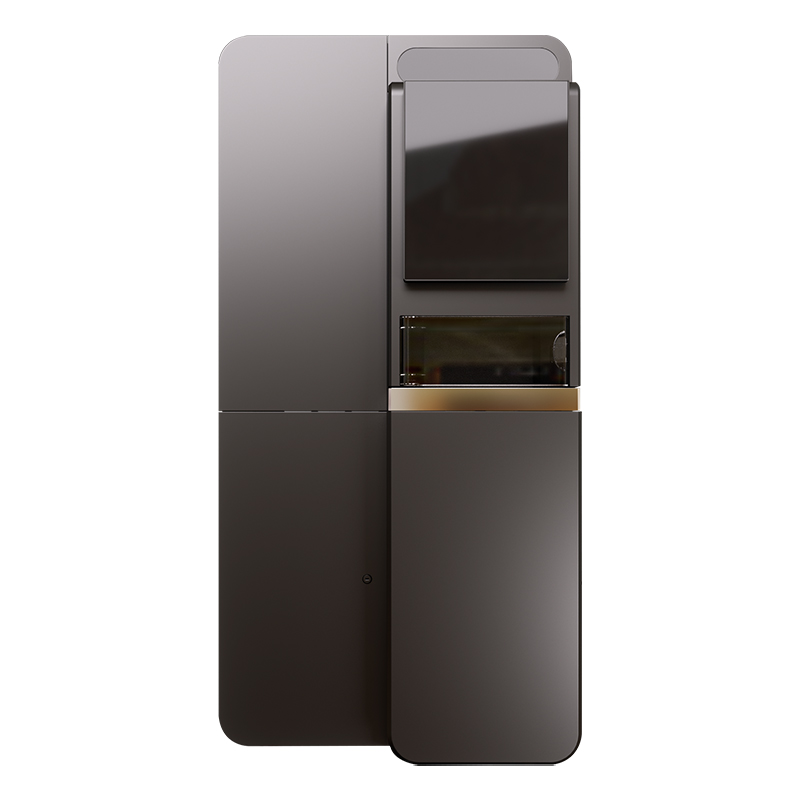
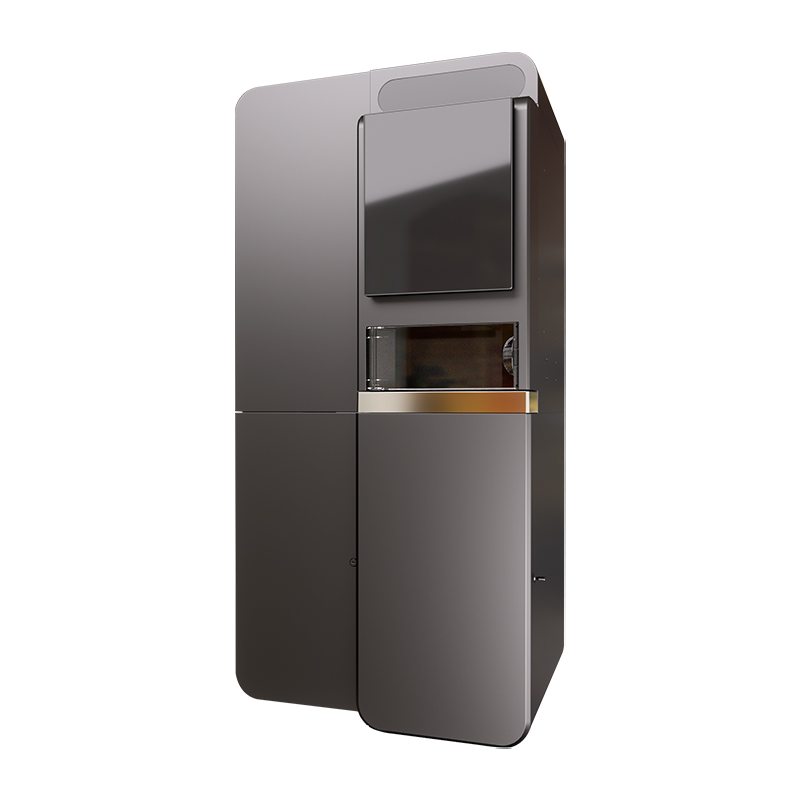
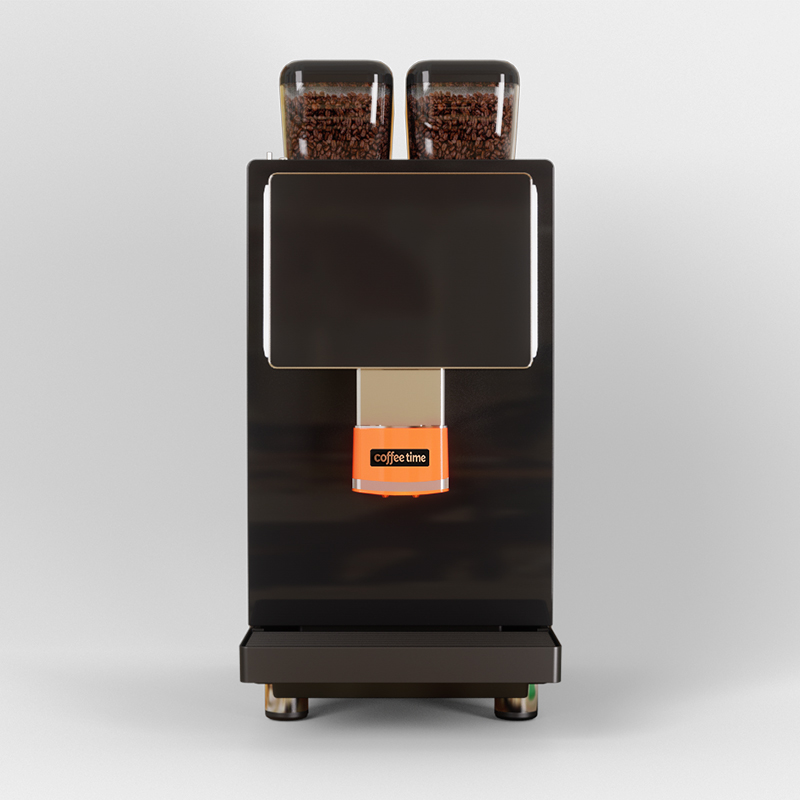
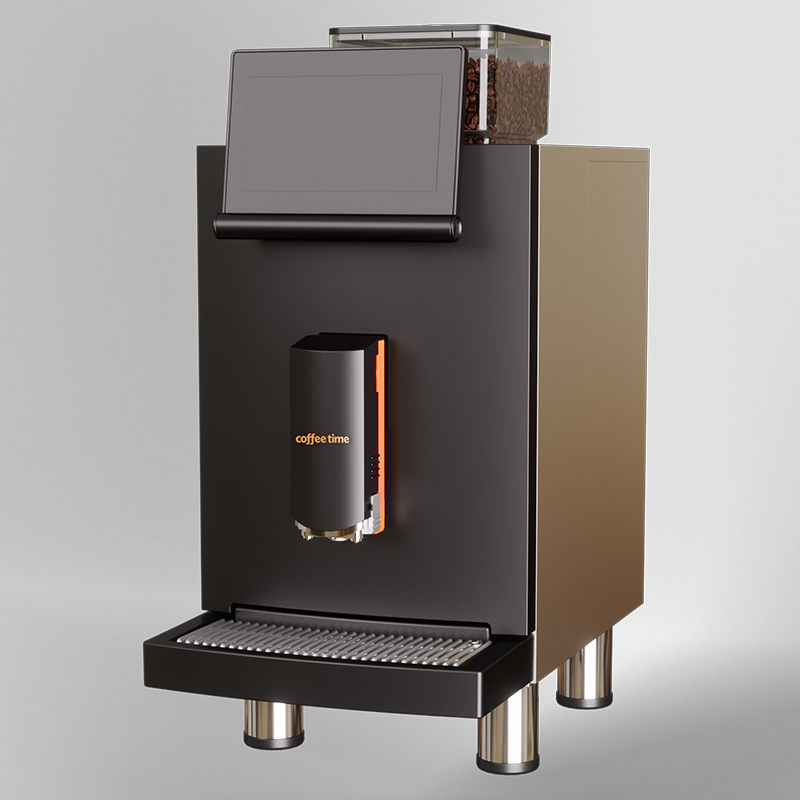
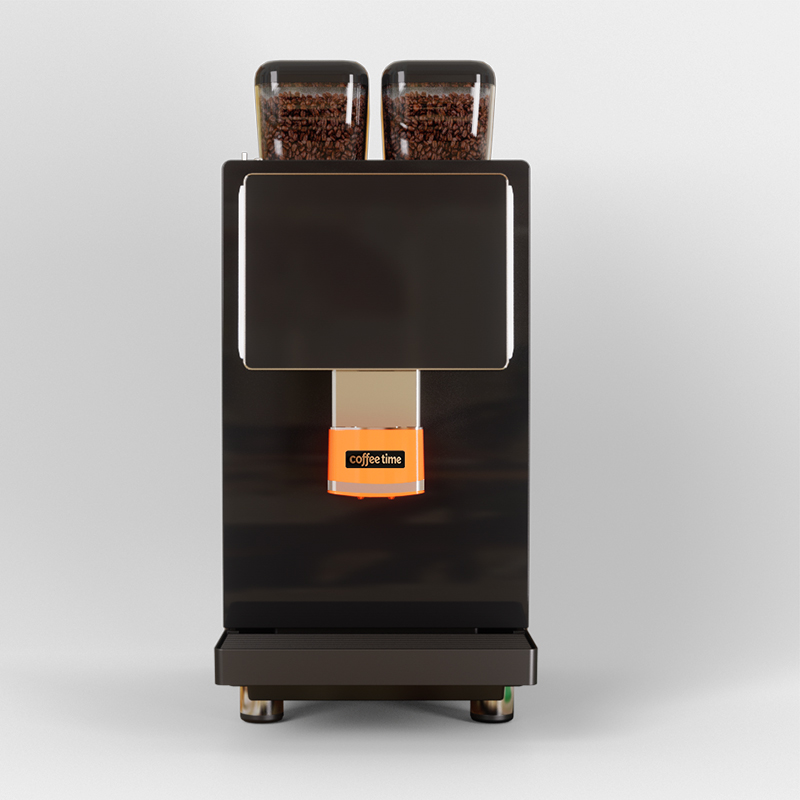
Start with a simple estimate: how many drinks will you sell on a normal day? Then match machine capacity to that number. High-traffic commercial machines can produce over 500 cups per day, like the Coffee Time Intelligent Iced & Hot Bean to Cup Coffee Vending Machine from the V2 series. That output suits busy sites, but a quiet office may never need it.
Your location type shapes the math. Use these rough planning ratios as a starting point:
Surge-driven, with most inventory sold in a few short windows
Capacity must cover peak-hour surge, not just the daily average
Small office (20–50 employees)
Low, slow product cycling
Compact or mid-size machine holding 150–250 drinks
Restocking frequency matters as much as cup count. A 350-can machine serving a 75-person office typically needs a refill once or twice a week. High-traffic spots like transit hubs and gyms may need daily service. Most operators aim for a 3–7 day service interval to balance efficiency against stockouts. An undersized machine costs you lost sales and extra service trips. An oversized one ties up cash and can raise freshness concerns.
Plan for Space and Menu Fit
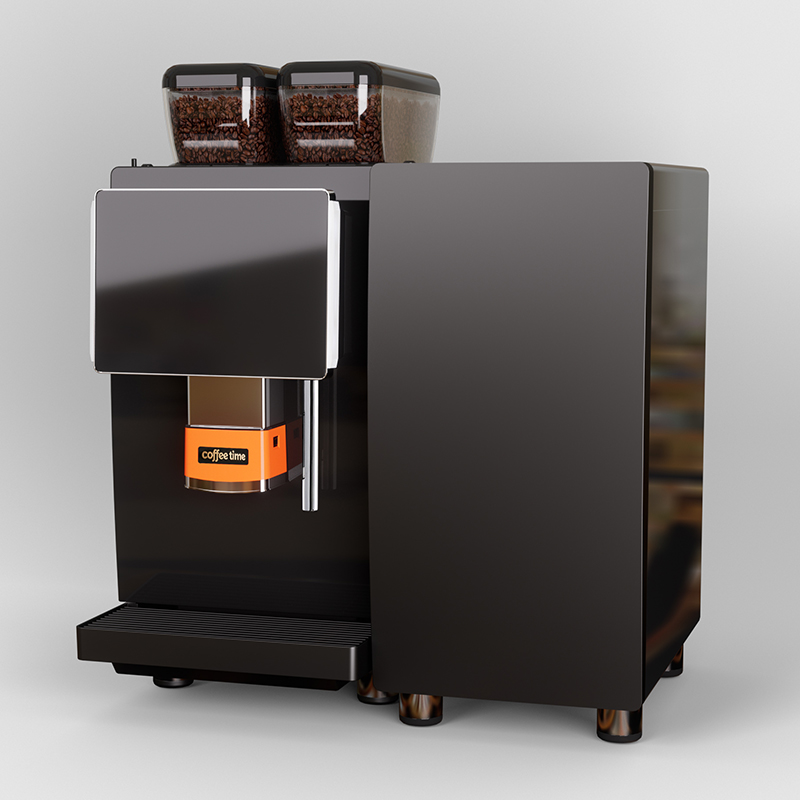
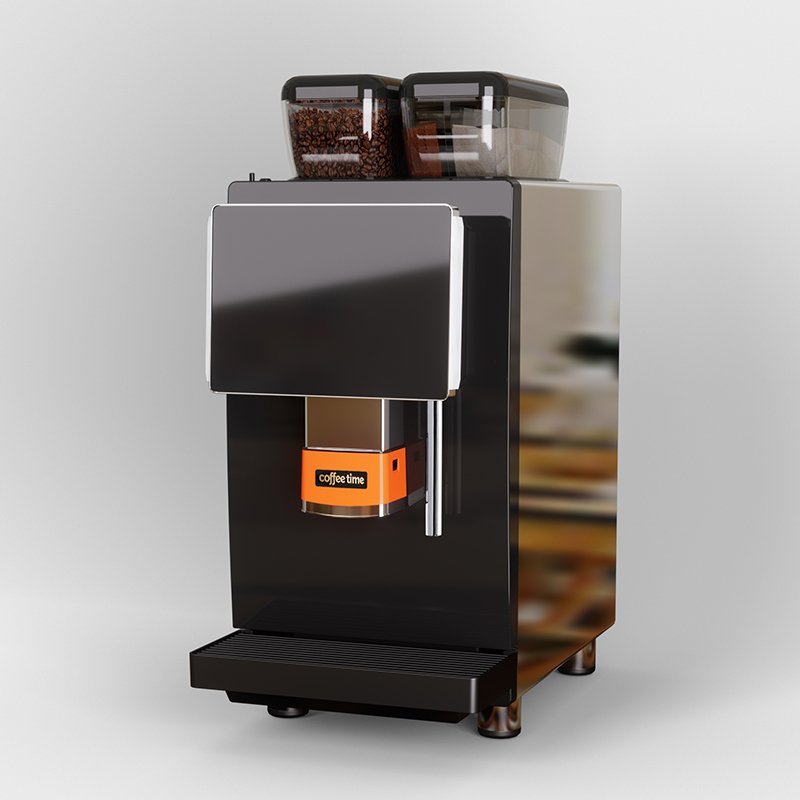
Now look at your floor plan. Counter-top units save room and suit tight spaces. Freestanding stations offer more presence and storage. Compact footprints help either way, and optional accessories such as an automatic cup dispenser and base cabinet let you grow the setup over time.
Looking for a Reliable Commercial Coffee Machine Manufacturer & OEM/ODM Partner?
Coffee Time specializes in fully automatic commercial espresso coffee machines with over 20 years of manufacturing experience. Our product line covers W4, W5, W6 and P2000 series bean-to-cup machines, supporting fresh milk options and up to 24 drink recipes. We provide full ODM/OEM customization on structure, UI software, functional modules, appearance branding and packaging. With 100+ patents, a modern production base and global after-sales network covering 100+ countries, we serve distributors, brand wholesalers, hotel chains, convenience stores and HoReCa operators worldwide. Free samples are available (customer bears shipping cost). All products comply with CE, FCC and other international certifications.
Menu fit depends on where the machine sits. A coffee-first menu works well in offices and waiting areas. A full beverage bar fits locations with mixed crowds. One coffee configuration covers espresso, americano, latte, cappuccino, mocha, hot chocolate, macchiato, iced coffee, and caramel latte, hot or iced, around the clock. A fuller bar adds tea, matcha latte, mango juice, strawberry smoothie, mango lassi, and vanilla milkshake, with 40+ combinations from eight canisters.
Two more choices shape your menu. First, decide your coffee quality level. Second, pick fresh milk or powdered milk based on your operational preferences. Fresh milk tastes better; powdered milk simplifies storage and cleaning.
Finally, favor machines that dispense both hot and iced drinks. That dual capability captures the growing iced coffee market and gives you seasonal flexibility. A single iced coffee vending machine can serve cold drinks in summer and hot drinks in winter, so your investment keeps earning all year.
Evaluate Technical Performance
Check Cooling, Brewing, and Speed
Good iced coffee starts with the brew. Look for advanced brewing technology and fresh bean grinding. These two features give you consistent quality cup after cup, and they let you skip pre-ground shortcuts that flatten the flavor.
Speed matters just as much at a busy counter. Customizable drinks, including iced options like an iced latte, can be ready in as little as 15 to 45 seconds. That pace keeps a lunch rush moving. Visible hoppers help too, because customers see fresh beans and trust what they get.
The interface shapes the whole experience. A 19-inch Android touch screen supports 50+ drink options and configurations, plays promotional videos, and accepts remote menu updates. You can change a recipe or push a seasonal special without sending anyone to the machine.
Weigh Reliability and Maintenance
Downtime costs you sales, so check how the machine watches itself. Intelligent alarm systems monitor internal components and send instant maintenance alerts. Smart vending platforms push real-time updates to your phone, covering sales data, inventory levels, and error codes from anywhere. Refrigerated units can flag a cooling failure the moment internal temperature goes out of range, which protects your perishable stock before it becomes a safety problem.
Automatic cleaning and energy-efficient modes cut operating costs and reduce service interruptions. Remote alerts also help you plan. You can dispatch a technician only when needed, and with the right replacement parts in hand. Reviewing alert patterns over time reveals demand shifts and recurring faults, so your maintenance schedule gets smarter each month.
Confirm Regulatory Compliance
Verify Safety, Sanitation, and Electrical Standards
Compliance starts with the basics at your wall and your water line. Check the machine's electrical requirements against the power your site can supply. Confirm the outlet type, circuit capacity, and whether the unit needs a dedicated circuit. A machine that trips breakers or needs a costly rewiring job will eat your budget fast.
Next, look at water. Some machines plumb into a water supply, and others use a tank you refill. Plumbing gives you steady output with less manual work. A tank suits sites where running a line is impractical. Ask about water filtration too, because filter condition affects taste and scale buildup.
Sanitation deserves the same attention. Look for automatic cleaning cycles that flush the brew path and milk lines on a set schedule. These cycles protect drink quality and make your daily routine simpler. Confirm how often the machine prompts a clean and what the cycle covers.
Ask About Certifications and Local Requirements
Before you sign, ask each supplier a direct question: which certifications does this machine carry? A serious vendor will answer without hesitation and share the paperwork. Request copies and check that the documents match the exact model you plan to buy.
Then turn to your own location. Health, electrical, and placement rules vary by city and building. Your landlord may have a say about where a machine sits and how it connects. Your local health authority may set rules for food-contact surfaces and cleaning records. Ask your supplier what they typically see at sites like yours, and confirm requirements with your own local officials.
Get every compliance answer in writing before you place the order. A verbal "it's all certified" means little when an inspector asks for documents.
A short compliance check now saves you from fines, forced relocation, or a machine you cannot legally run.
Analyze the Full Cost Picture
Compare Purchase, Installation, and Maintenance Costs
The sticker price is only the first number. Break your budget into three buckets: purchase, installation, and ongoing maintenance. Specialty machines like coffee units run $5,000 to $50,000+ new, while smart touchscreen models sit at $10,000 to $30,000+. Refurbished units cost less upfront, but they may need upgrades and carry limited warranty coverage.
Installation adds its own line. Delivery and inside installation run about $400 in a typical example, and your first full stock of inventory adds roughly $600. Then come the recurring costs: electricity at $30–$50 per month and a maintenance reserve of $25–$50 per month. Add restocking and payment processing, and total recurring costs can reach $500 or more per month.
Buy versus lease comes down to cash flow and commitment. Buying suits sites that plan to stay put and want to own the asset outright. Leasing fits businesses that want lower upfront outlay or expect to upgrade soon. Entry-level models work for low-volume spots; high-end models earn their price in busy locations.
Estimate Operating Costs per Cup
To estimate cost per cup, divide your total monthly operating spend by cups sold. Energy-efficient modes lower the electricity share. Automatic cleaning reduces labor and service calls. Payment flexibility matters too — coins, banknotes, QR codes, and contactless cards all serve different customers, and card processing fees of roughly 5–6% of cashless revenue belong in your math.
Run the numbers for your own site before you commit. A machine that sells more cups spreads fixed costs across a larger base, so volume is your biggest lever on cost per cup.
Compare Iced Coffee Vending Machine Options
Build a Simple Scoring Checklist
You've done the homework. Now put your shortlist side by side. Pick two or three candidates and score each one against the same criteria you used earlier: daily volume, space, menu fit, technical performance, compliance, and cost. A simple table keeps the comparison honest and stops a flashy demo from swaying you.
Criterion
What to score
Weight
Volume
Cups per day vs. your peak-hour demand
High
Space
Counter-top or freestanding footprint, accessory room
Medium
Menu
Coffee-first or full beverage bar, hot and iced range
High
Performance
Brew speed, touchscreen, alarm and cleaning features
High
Compliance
Certifications, electrical and water needs
Must-pass
Cost
Purchase, installation, and cost per cup
High
Give each candidate a score from one to five on every row. Treat compliance as a pass-or-fail gate, not a points category. A machine that fails it drops off the list, no matter how well it scores elsewhere. Weight the rows that matter most to your site. A busy transit hub should push volume and performance to the top. A small office can lean on space and cost.
The table does one more job. It shows where each option fits best. A compact counter-top unit suits a tight office kitchen. A freestanding station with a base cabinet earns its place in a mall or airport. Neither is better in the abstract. Each wins in the right setting.
Test Before You Commit
Numbers on a page only go so far. Ask for a demo or a trial where you can get one. Run the machine through a real shift and watch how it behaves under pressure.
Bring a short list of practical questions to the demo. How many people will use the machine each day? Where exactly will it sit, and does that spot have the power and water access it needs? Does it offer 24/7 iced coffee availability, so you capture sales at night and on weekends? Can the touchscreen handle a rush without long queues? How quickly does a technician respond to an alarm?
Watch the machine make an iced drink from start to finish. Time it. Check the cup quality and the cleanup routine. Ask the supplier to walk you through the alarm system and the automatic cleaning cycle. A good iced coffee vending machine should feel simple to run, not like a second job.
Finally, compare your scored tables one last time. The right iced coffee vending machine is the one that clears compliance, meets your volume, and fits your space and budget together. Score it, test it, then decide with confidence.
The right iced coffee vending machine isn't the cheapest or the flashiest. It's the one that matches your daily volume, fits your space, clears compliance, and makes sense on paper. You've built a checklist that covers all of it.
Now score two or three shortlisted candidates against that checklist. Weight the rows that matter most to your site. Then test your top pick with a demo before you commit.
Ready to move forward? Request quotes from your shortlisted suppliers and schedule a live demo. See your chosen iced coffee vending machine make an iced drink in real time. That hands-on look will confirm your choice with confidence.
FAQ
How many cups can an iced coffee vending machine make in a day?
It depends on the model. High-traffic commercial machines can produce over 500 cups per day, like the Coffee Time V2 series. Match that output to your own daily sales estimate. A quiet office rarely needs that capacity, while a mall or airport may need every cup.
Can one machine serve both hot and iced drinks?
Yes. Machines that dispense both hot and iced beverages capture the growing iced coffee market and give you seasonal flexibility. You serve cold drinks in summer and hot drinks in winter. That keeps one investment earning all year.
What payment methods should I look for?
Look for coins, banknotes, QR codes, and contactless cards. Each method serves a different customer. Card processing fees belong in your cost math, so factor them in before you commit.
How much maintenance does the machine need?
Less than you might expect. Intelligent alarm systems monitor internal components and send instant maintenance alerts. Automatic cleaning cycles flush the brew path and milk lines on a set schedule. Energy-efficient modes cut operating costs and reduce service interruptions.
Should I pick a counter-top unit or a freestanding station?
It comes down to your space. Counter-top units save room and suit tight spots. Freestanding stations offer more presence and storage. Optional accessories like an automatic cup dispenser and base cabinet let either setup grow over time.