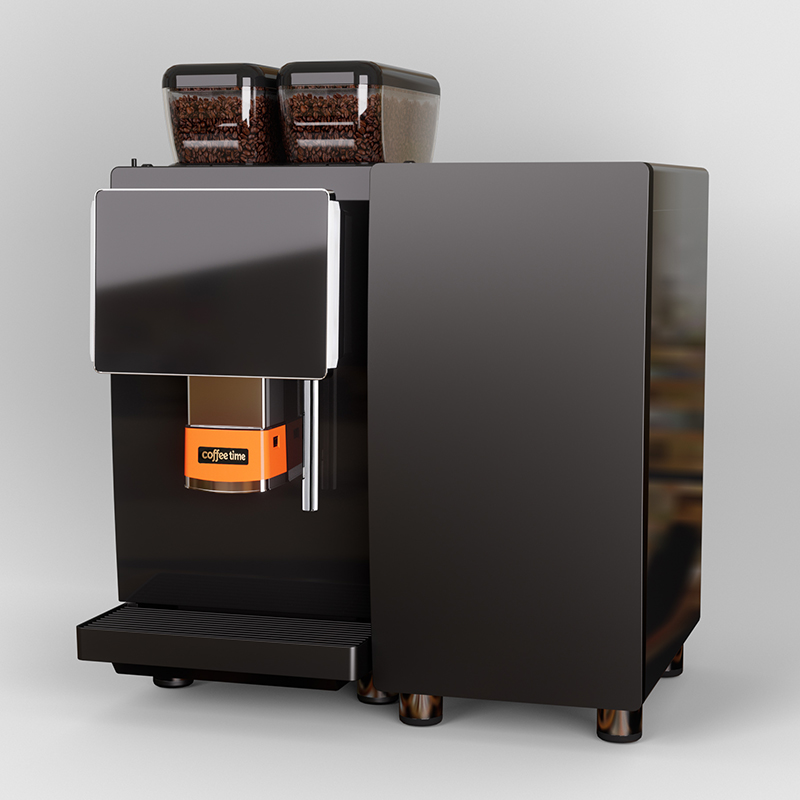
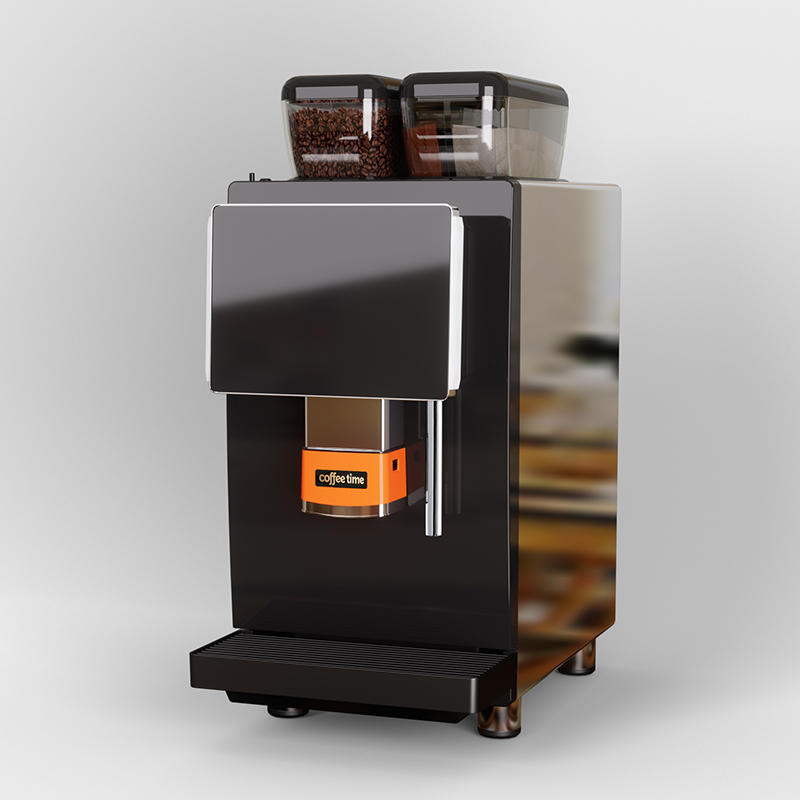
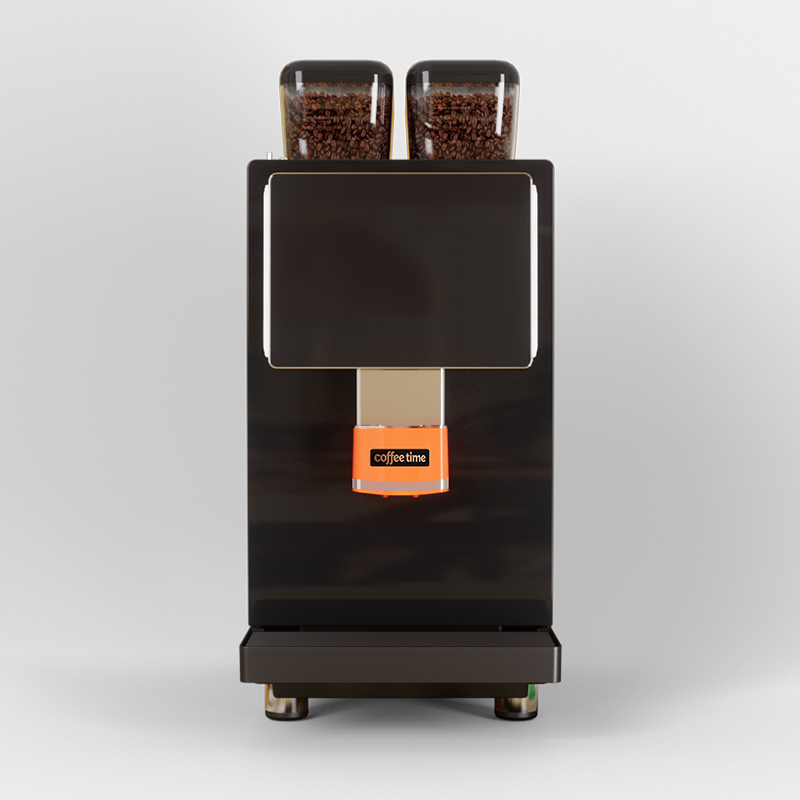
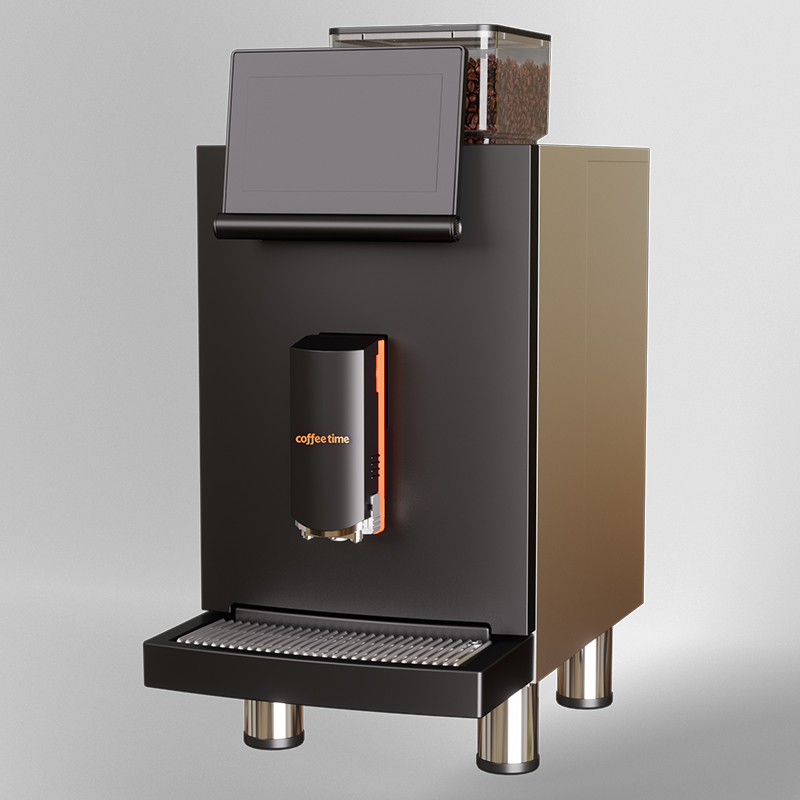
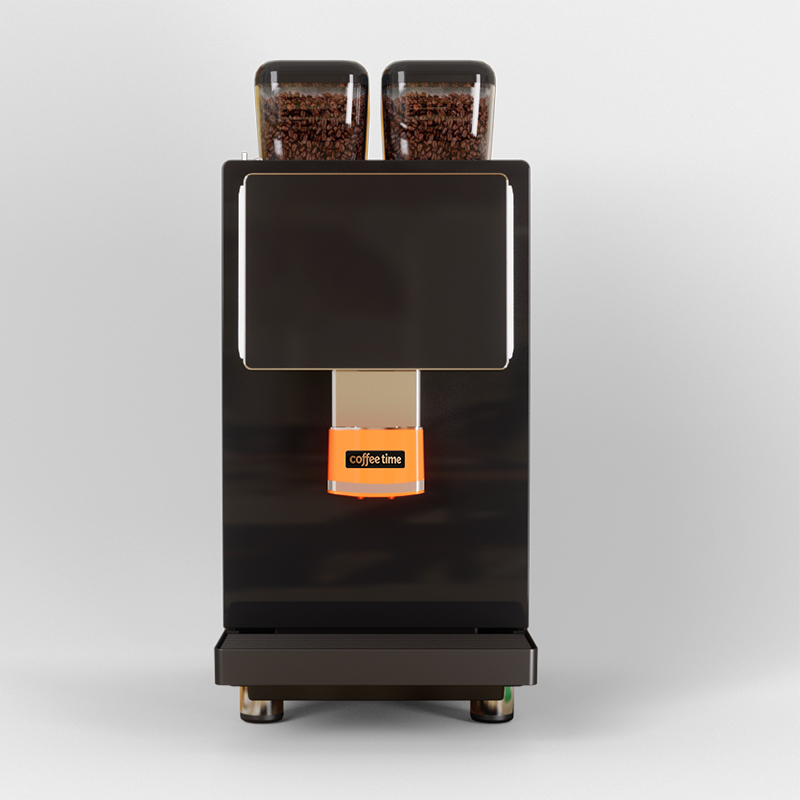
In the bustling environments of cafes, restaurants, offices, and hotels, commercial coffee machines stand as indispensable tools, delivering high-quality coffee beverages to meet the demands of customers and employees alike. These machines, engineered with precision and designed for heavy-duty use, operate on a set of fundamental principles that combine hot water, pressure, and ground coffee beans to create the perfect cup. This article delves into the inner workings of commercial coffee machines, exploring their key components, brewing processes, and technological advancements.
Core Components of a Commercial Coffee Machine
At the heart of every commercial coffee machine lies a series of interconnected components, each playing a crucial role in the brewing process. These components include the boiler, pump, group head, portafilter, and steam wand, among others.
Boiler
The boiler is the powerhouse of the coffee machine, responsible for heating water to the optimal temperature for brewing. Commercial machines often feature multiple boilers or advanced heating systems to ensure consistent water temperature throughout the brewing process. For instance, some models employ a dual-boiler setup, with one boiler dedicated to brewing water and another to generating steam for milk frothing. This separation allows for simultaneous brewing and steaming, enhancing efficiency in high-demand settings.
Pump
The pump is another critical component, responsible for generating the high pressure required to force hot water through compacted coffee grounds espresso machines utilize a mechanical pump, while modern models may incorporate electric or variable-speed gear pumps for greater control over pressure. The ideal pressure for espresso extraction is around 135 PSI, significantly higher than the pressure in car tires, ensuring a rich and concentrated shot.
Group Head
The group head serves as the interface between the boiler and the portafilter, where the actual brewing takes place. It houses the portafilter lock, which secures the portafilter in place during extraction, and a switch or valve to regulate water flow and pressure. The group head also plays a role in temperature stability, with some models featuring advanced thermal management systems to minimize temperature fluctuations during brewing.
Portafilter
The portafilter is a detachable component that holds the ground coffee during extraction. It consists of a metal basket with a handle, into which the coffee grounds are placed and tamped down to create a compact puck. The portafilter is then attached to the group head, where hot water is forced through the coffee under high pressure, extracting the flavors and aromas.
Steam Wand
For machines designed to make milk-based beverages like lattes and cappuccinos, the steam wand is an essential feature. It generates steam by heating water in the boiler and then releasing it through a nozzle, allowing baristas to froth milk to the desired texture and temperature. The steam wand's design and functionality vary among models, with some offering automatic frothing capabilities for added convenience.
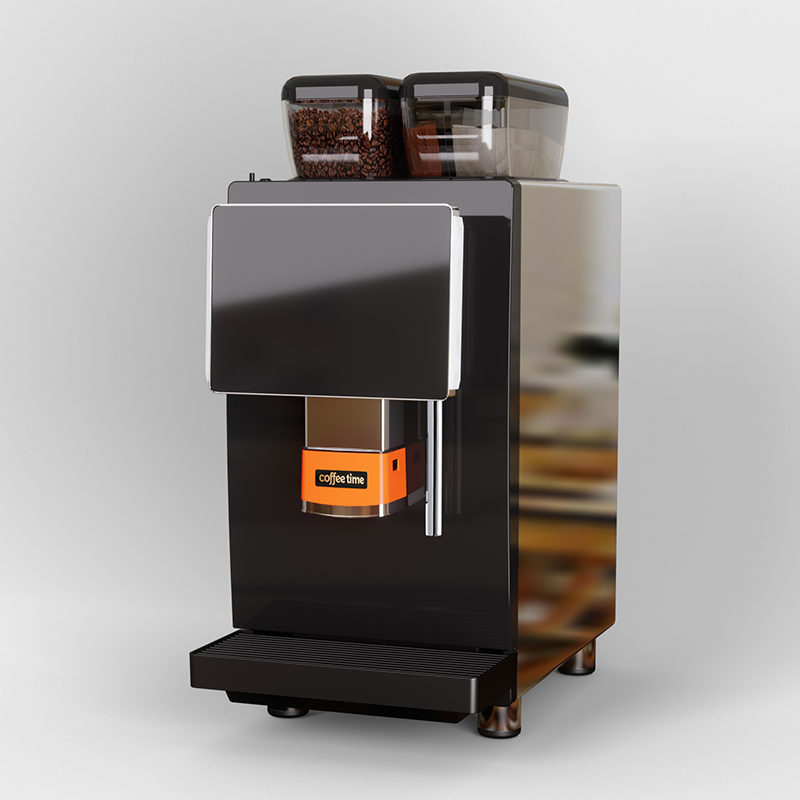
The Brewing Process
The brewing process in a commercial coffee machine is a carefully orchestrated sequence of steps that ensures optimal flavor extraction and consistency. Here's a breakdown of the typical brewing process for espresso:
1.Water Heating: The machine's boiler heats water to the desired temperature, usually between 93°C and 100°C. Precise temperature control is crucial, as even slight variations can affect the extraction rate and flavor profile of the coffee.
2.Grinding and Tamping: Fresh coffee beans are ground to a fine consistency and placed in the portafilter's basket. The grounds are then tamped down using a tamper to create a compact puck, ensuring even water distribution during extraction.
3.Attachment and Extraction: The portafilter is attached to the group head, and the brewing process begins. Hot water is forced through the coffee grounds under high pressure, extracting the flavors and aromas to form a concentrated shot of espresso. The extraction time, typically around 25-30 seconds, is carefully controlled to achieve the desired balance of sweetness, bitterness, and acidity.
4.Crema Formation: As the espresso is dispensed into the cup, a layer of crema forms on top. This creamy foam is a hallmark of well-extracted espresso, indicating the presence of oils and gases released during the brewing process.
5.Milk Frothing (Optional): For milk-based beverages, the steam wand is used to froth milk to the desired texture and temperature. The frothed milk is then poured over the espresso shot to create lattes, cappuccinos, and other specialty drinks.
Technological Advancements
Over the years, commercial coffee machines have undergone significant technological advancements, enhancing their performance, efficiency, and user-friendliness. Some of the notable innovations include:
PID Temperature Control: Proportional-integral-derivative (PID) controllers are now commonly used in commercial coffee machines to maintain precise water temperature during brewing. This technology ensures consistent extraction and flavor quality, even under varying conditions.
Variable Pressure Profiling: Some advanced models offer variable pressure profiling, allowing baristas to adjust the pressure during extraction to achieve specific flavor profiles. This feature is particularly useful for experimenting with different coffee beans and roast levels.
Automatic Cleaning and Maintenance: To streamline operations and reduce downtime, many commercial coffee machines now feature automatic cleaning and maintenance systems. These systems perform routine tasks like descaling and backflushing, ensuring optimal machine performance and longevity.
IoT Connectivity: The rise of the Internet of Things (IoT) has also impacted commercial coffee machines, with some models now offering real-time, two-way cloud communication. This connectivity allows for remote monitoring, diagnostics, and software updates, enhancing machine reliability and user experience.
Looking for a Reliable Commercial Coffee Machine Manufacturer & OEM/ODM Partner?
Coffee Time specializes in fully automatic commercial espresso coffee machines with over 20 years of manufacturing experience. Our product line covers W4, W5, W6 and P2000 series bean-to-cup machines, supporting fresh milk options and up to 24 drink recipes. We provide full ODM/OEM customization on structure, UI software, functional modules, appearance branding and packaging. With 100+ patents, a modern production base and global after-sales network covering 100+ countries, we serve distributors, brand wholesalers, hotel chains, convenience stores and HoReCa operators worldwide. Free samples are available (customer bears shipping cost). All products comply with CE, FCC and other international certifications.
Request Quote & Free Samples
Conclusion
Commercial coffee machines are marvels of engineering, combining advanced technology with precision craftsmanship to deliver high-quality coffee beverages consistently. From their core components like the boiler and pump to their sophisticated brewing processes and technological innovations, these machines are designed to meet the demands of high-traffic environments while ensuring optimal flavor extraction and user convenience. Whether you're a cafe owner, restaurant manager, or office administrator, understanding how a commercial coffee machine works can help you make informed decisions when selecting and operating these essential tools. By leveraging the latest advancements in coffee machine technology, you can elevate your business's coffee offerings, attract more customers, and enhance the overall customer experience. In the world of commercial coffee machines, innovation and quality go hand in hand, ensuring that every cup of coffee is a masterpiece in its own right.
FAQ
Q: What is the difference between commercial coffee machines and household coffee machines?
A: Commercial coffee machines feature higher continuous output, heavy-duty internal components and stable heating systems, suitable for cafes, restaurants and shops with high daily coffee demand.
Q: How often should we maintain a commercial coffee machine?
A: Daily cleaning for steam wands and drip trays is required. Deep descaling and internal part inspection should be done regularly to keep stable operation and good coffee taste.
Q: Can your commercial coffee machines customize logos and panel designs?
A: Yes, we support OEM and ODM services. We can add your brand logo and adjust panel styles to match your store image and market requirements.
Q: What voltage options do your commercial coffee machines provide?
A: We offer multiple voltage versions to fit different countries, including 110V and 220V. Please tell us your target market before placing orders.