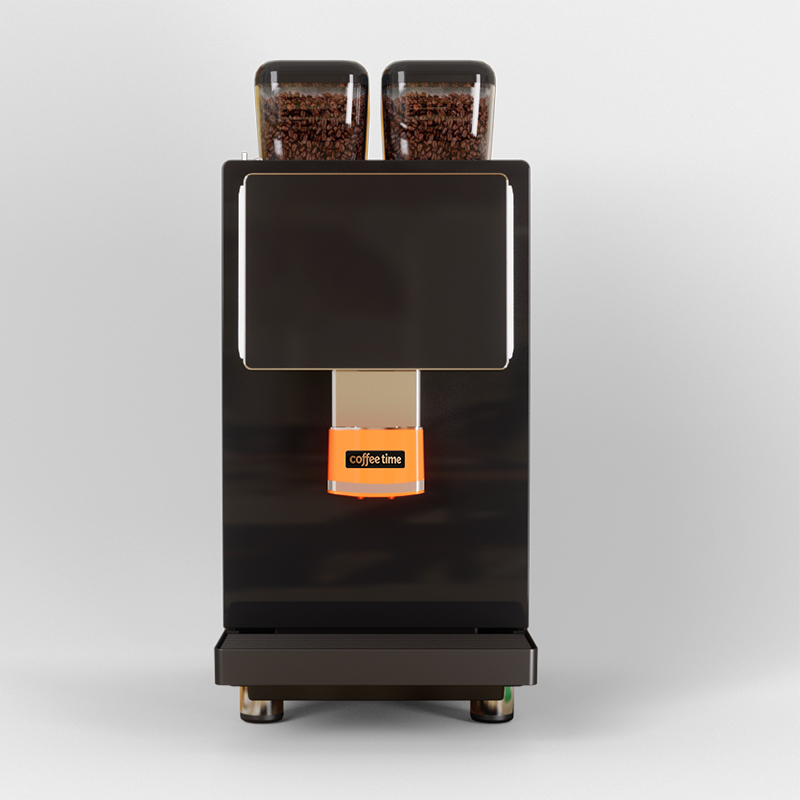
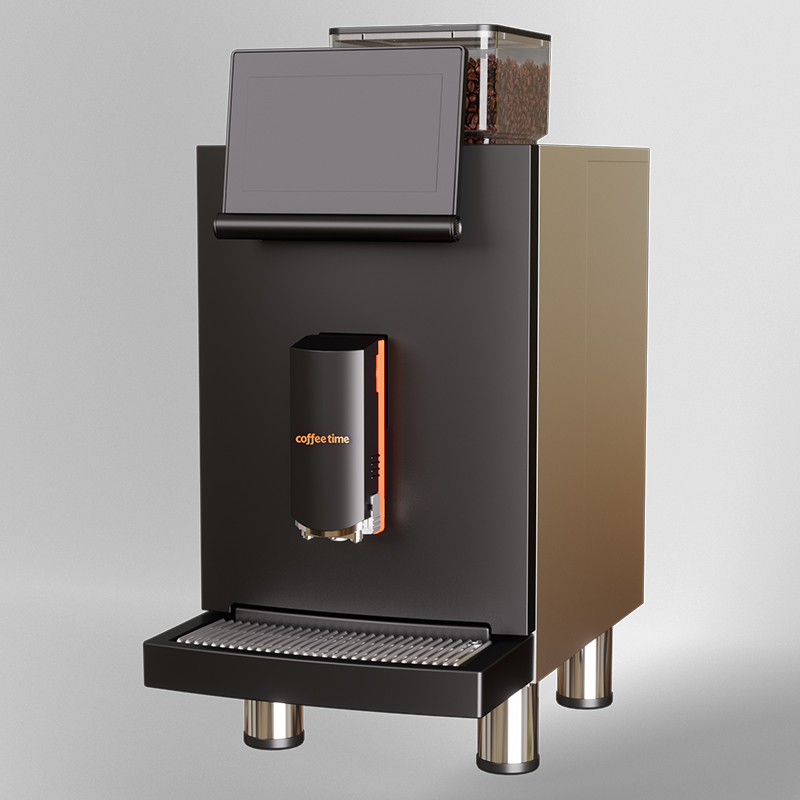
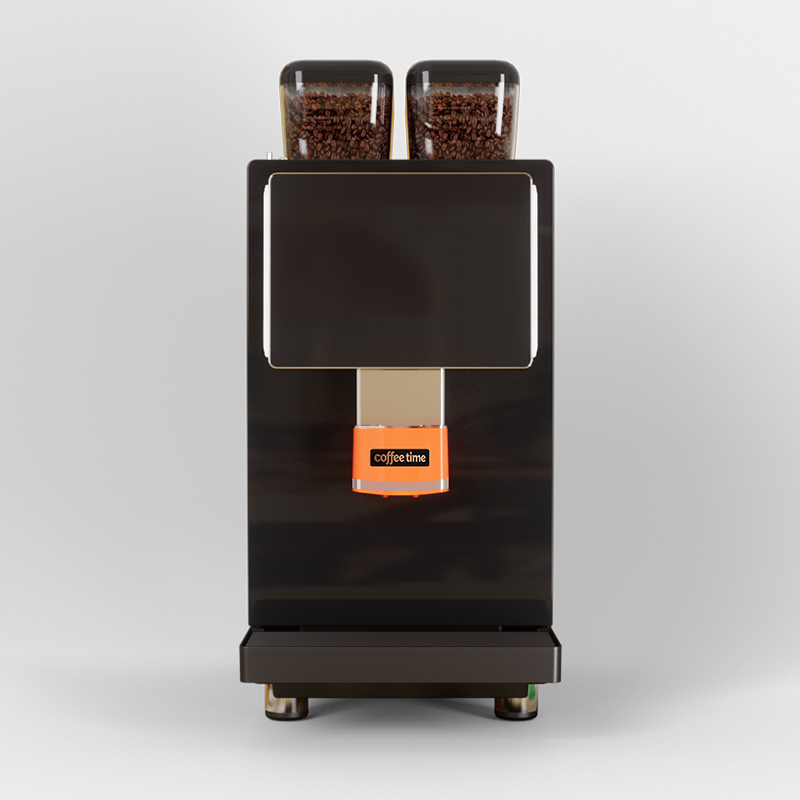
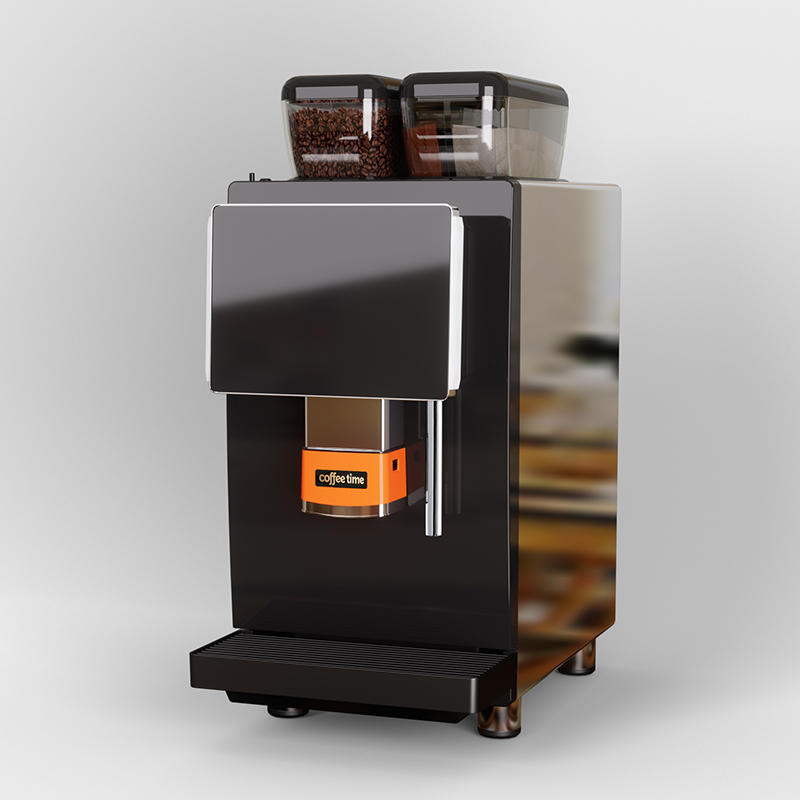
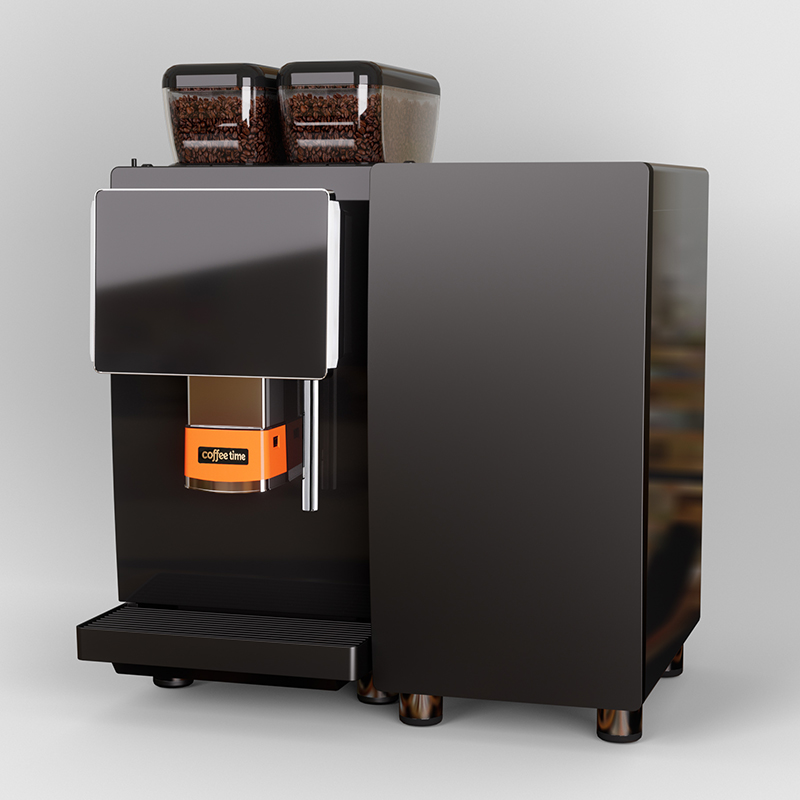
Commercial coffee machines are the backbone of cafes, restaurants, and offices, delivering countless cups of espresso, cappuccino, and lattes daily. However, their constant use exposes them to coffee oils, mineral deposits, and bacteria, which can degrade performance, alter taste, and even pose health risks. Regular cleaning is not just a maintenance task—it’s a necessity to ensure consistency, longevity, and hygiene. Unlike residential models, commercial coffee machines operate at higher volumes and have complex components, requiring specialized care. This guide outlines a step-by-step process to clean your commercial coffee machine effectively, along with critical precautions and best practices.
Part 1: How to Clean a Commercial Coffee Machine
Cleaning a commercial coffee machine involves addressing multiple components, from the group head to the steam wand and drip tray. Here’s a structured approach:
1.Daily Cleaning Routine
Backflushing the Group Head:
The group head, where the portafilter attaches, accumulates coffee grounds and oils. Use a blind filter (a portafilter without holes) and a commercial-grade cleaning detergent. Insert the blind filter, add 1 teaspoon of detergent, and run the pump for 10 seconds. Repeat this process 3–4 times, rinsing with water afterward to remove residue.
Cleaning the Portafilter and Baskets:
Soak the portafilter and baskets in hot water mixed with espresso machine cleaner for 15–20 minutes. Scrub with a brush to dislodge stubborn grounds, then rinse thoroughly.
Wiping Down Surfaces:
Use a damp cloth to wipe the exterior, including the drip tray and countertop area. Pay attention to spills or splatters to prevent bacterial growth.
Purging the Steam Wand:
After each use, release a burst of steam to clear milk residue. At the end of the day, soak the wand in a sanitizing solution and use a steam wand brush to clean the interior holes.
2.Weekly Deep Cleaning
Descaling the Boiler and Internal Systems:
Mineral deposits from water (limescale) can clog pipes and reduce heating efficiency. Use a descaling agent approved for commercial coffee machines. Follow the manufacturer’s instructions, typically involving circulating the solution through the machine and rinsing with fresh water multiple times.
Cleaning the Grinder (if integrated):
Coffee oils can gum up grinder burrs. Use grinder cleaning tablets or rice to absorb oils. Run the grinder for 10–15 seconds, then discard the residue.
Sanitizing the Drip Tray and Drain:
Remove the drip tray and soak it in a mixture of warm water and mild detergent. Use a pipe cleaner to unclog the drain line if needed.
3.Monthly Maintenance
Inspecting and Replacing Seals and Gaskets:
Check for wear on group head seals and replace them if they appear cracked or brittle. Leaky seals can affect pressure and extraction quality.
Cleaning the Water Filter System:
If your commercial coffee machine uses a water filtration system, replace cartridges as recommended to prevent impurities from affecting taste and machine health.
Lubricating Moving Parts:
Apply food-grade lubricant to the portafilter’s handle and group head mechanism to ensure smooth operation.
Part 2: Key Considerations When Cleaning a Commercial Coffee Machine
1.Use the Right Products:
Avoid household cleaners, which may contain chemicals harmful to your machine. Opt for pH-neutral, food-safe detergents designed for commercial coffee machines.
2.Follow Manufacturer Guidelines:
Different brands (e.g., La Marzocco, Nuova Simonelli) have specific cleaning protocols. Refer to the user manual for model-specific instructions to avoid voiding warranties.
3.Prioritize Safety:
Unplug the machine before cleaning electrical components.
Wear gloves when handling descaling agents or harsh chemicals.
Ensure the machine is cool to avoid burns.
4.Schedule Regular Cleanings:
High-traffic environments may require more frequent cleaning. Adjust your routine based on usage volume.
5.Train Staff Properly:
In a commercial setting, ensure all employees understand the cleaning process to maintain consistency and prevent errors.
6.Monitor Water Quality:
Hard water accelerates limescale buildup. Consider installing a water softener if your area has high mineral content.
Conclusion: The Importance of Maintaining Your Commercial Coffee Machine
A clean commercial coffee machine is not just a matter of aesthetics—it’s a critical investment in quality, efficiency, and customer satisfaction. Neglecting maintenance can lead to costly repairs, downtime, and even health code violations. By implementing a daily, weekly, and monthly cleaning routine tailored to your machine’s needs, you can extend its lifespan, preserve flavor integrity, and ensure smooth operations.
Remember, commercial coffee machines are sophisticated devices that require care beyond a quick wipe-down. Regular descaling, grinder maintenance, and seal inspections are equally vital. Partnering with a professional technician for annual servicing can also address issues before they escalate.
Looking for a Reliable Commercial Coffee Machine Manufacturer & OEM/ODM Partner?
Coffee Time specializes in fully automatic commercial espresso coffee machines with over 20 years of manufacturing experience. Our product line covers W4, W5, W6 and P2000 series bean-to-cup machines, supporting fresh milk options and up to 24 drink recipes. We provide full ODM/OEM customization on structure, UI software, functional modules, appearance branding and packaging. With 100+ patents, a modern production base and global after-sales network covering 100+ countries, we serve distributors, brand wholesalers, hotel chains, convenience stores and HoReCa operators worldwide. Free samples are available (customer bears shipping cost). All products comply with CE, FCC and other international certifications.
Request Quote & Free Samples
In the competitive world of food service, the difference between a good and great cup of coffee often lies in the unseen efforts—like meticulous cleaning. Prioritize this task, and your commercial coffee machine will reward you with reliability, performance, and delicious brews for years to come.
FAQ
What types of businesses can use a commercial coffee machine?
A commercial coffee machine is suitable for coffee shops, restaurants, hotels, offices, bakeries, cafés, and catering businesses. Depending on the model, it can provide espresso, Americano, cappuccino, latte, and other beverages. Different brewing capacities and configurations can be selected according to daily customer volume and beverage requirements.
How do I choose the right commercial coffee machine?
When selecting a commercial coffee machine, consider daily coffee volume, available space, brewing capacity, heating system, automation level, and beverage types. You should also evaluate water supply requirements, ease of cleaning, energy consumption, and maintenance needs to ensure the machine matches your business operation and service demands.
How often should a commercial coffee machine be cleaned?
Regular cleaning helps maintain coffee quality and machine performance. Daily cleaning is recommended for brewing components, steam wands, and coffee-contact surfaces. Deeper cleaning and descaling should be performed according to water hardness, usage frequency, and manufacturer recommendations. Proper maintenance can also reduce buildup and extend equipment service life.
Can a commercial coffee machine be customized?
Yes, commercial coffee machine manufacturers can provide customized solutions for different business requirements. Options may include machine configuration, brewing capacity, appearance, control systems, voltage, power specifications, and branding. OEM and ODM services can also be available for distributors, coffee equipment suppliers, and businesses requiring customized commercial coffee equipment.
What are the advantages of using a commercial coffee machine?
A commercial coffee machine is designed for frequent and continuous beverage preparation in professional environments. It can provide consistent extraction, stable temperature control, efficient operation, and convenient workflow. Depending on the model, advanced functions can help baristas prepare different coffee beverages efficiently while maintaining consistent taste and product quality.