





How much is commercial coffee machine
In the bustling world of hospitality, offices, and retail spaces, commercial coffee machines have become indispensable tools for delivering quality beverages efficiently. Whether it's a small office looking to upgrade its break room or a large-scale restaurant aiming to streamline operations, understanding the cost dynamics of commercial coffee machines is crucial. This article delves into the factors influencing the price of these machines, explores various price ranges, and provides insights into making an informed purchase decision.
Factors Influencing the Cost of Commercial Coffee Machines
1.Type and Functionality
Commercial coffee machines come in a variety of types, each designed to cater to specific needs and volumes. The most basic models are often manual or semi-automatic, requiring a certain level of barista skill to operate. These machines are generally more affordable but may not be suitable for high-volume environments where consistency and speed are paramount.
On the other end of the spectrum are fully automatic and super-automatic machines. These advanced models automate the entire brewing process, from grinding the beans to frothing the milk, ensuring consistent quality with minimal human intervention. They are ideal for busy settings like cafes, hotels, and large offices, where efficiency and reliability are critical. However, their sophisticated technology and features come at a higher cost.
2.Capacity and Output
The capacity of a commercial coffee machine, measured in terms of the number of cups it can produce per hour, is another significant factor influencing its price. Machines designed for small offices or home use typically have a lower capacity, ranging from 20 to 50 cups per hour. These models are more compact and affordable, making them suitable for environments with limited space and moderate coffee consumption.
In contrast, high-capacity machines capable of producing 100 cups or more per hour are essential for large-scale operations like restaurants, hotels, and conference centers. These machines are built to withstand continuous use and often feature multiple brewing heads, larger water tanks, and advanced temperature control systems to ensure consistent quality even under heavy loads. Naturally, their higher capacity and durability come with a higher price tag.
3.Material and Build Quality
The materials used in constructing a commercial coffee machine also play a crucial role in determining its cost. Machines made from high-quality stainless steel or other durable materials are more resistant to wear and tear, ensuring longevity and reliability. They also tend to have better heat retention properties, which is essential for maintaining optimal brewing temperatures.
Conversely, machines constructed from lower-quality materials may be more prone to damage and require more frequent maintenance or replacement parts. While they may be initially cheaper, the long-term costs associated with repairs and replacements can quickly add up, making them a less cost-effective option in the long run.
4.Additional Features and Accessories
Many commercial coffee machines come equipped with a range of additional features and accessories designed to enhance functionality and user experience. These can include built-in grinders for fresh coffee grounds, milk frothers for creating lattes and cappuccinos, programmable settings for customizing drink options, and self-cleaning systems for easy maintenance.
While these features can significantly improve the versatility and convenience of a commercial coffee machine, they also contribute to its overall cost. Buyers should carefully consider which features are essential for their specific needs and budget accordingly.
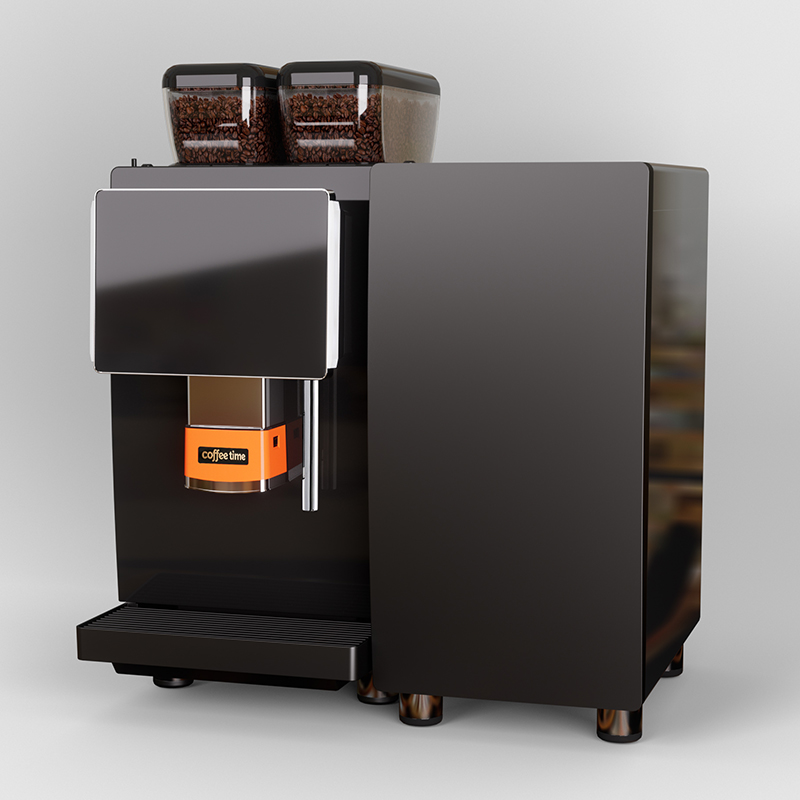
Price Ranges of Commercial Coffee Machines
1.Entry-Level Models (Under $1,000)
Entry-level commercial coffee machines are typically manual or semi-automatic models designed for small offices or home use. They offer basic brewing functionality and may have limited capacity and features. However, they are an affordable option for those looking to upgrade from a standard home coffee maker without breaking the bank.
These machines often feature a compact design, making them suitable for environments with limited space. They may also come with a basic warranty and customer support, providing peace of mind for buyers.
2.Mid-Range Models (1,000−5,000)
Mid-range commercial coffee machines offer a balance between affordability and functionality. They are often fully automatic models capable of producing a moderate number of cups per hour, making them suitable for small to medium-sized offices, cafes, and restaurants.
These machines typically feature more advanced brewing technology, better build quality, and a wider range of features and accessories. They may also come with a longer warranty and more comprehensive customer support, ensuring reliable performance and ease of maintenance.
3.High-End Models (Over $5,000)
High-end commercial coffee machines are designed for large-scale operations where efficiency, consistency, and durability are paramount. They are often super-automatic models capable of producing a high volume of cups per hour, with multiple brewing heads and advanced temperature control systems.
These machines feature the latest brewing technology, premium materials, and a wide range of customizable settings and accessories. They are built to withstand continuous use and require minimal maintenance, making them a cost-effective option for busy environments. However, their high price tag reflects their advanced capabilities and build quality.
Making an Informed Purchase Decision
When considering the purchase of a commercial coffee machine, it's essential to weigh the costs against the benefits. While high-end models may offer superior functionality and durability, they may not be necessary for all environments. Buyers should carefully assess their specific needs, including the volume of coffee consumption, available space, and budget constraints, before making a decision.
It's also important to consider the long-term costs associated with owning and maintaining a commercial coffee machine. This includes the cost of repairs, replacements parts, and regular maintenance to ensure optimal performance. Buyers should look for machines that come with a comprehensive warranty and reliable customer support to minimize these costs.
Conclusion
The cost of a commercial coffee machine can vary significantly depending on factors such as type, capacity, material, and additional features. Entry-level models offer an affordable option for small offices or home use, while mid-range and high-end models provide more advanced functionality and durability for larger-scale operations. When making a purchase decision, buyers should carefully assess their specific needs and budget constraints, considering both the initial cost and long-term maintenance expenses. By doing so, they can select a commercial coffee machine that meets their requirements and delivers quality beverages efficiently for years to come. Whether it's a small office looking to upgrade its break room or a large restaurant aiming to streamline operations, investing in the right commercial coffee machine is a decision that can significantly enhance the overall customer experience and operational efficiency.

