

How to work an espresso coffee machine
Espresso coffee machines have become a staple in cafes, restaurants, and homes worldwide, offering a quick and robust way to brew concentrated coffee. Unlike drip coffee makers, which rely on gravity and time, an espresso machine uses high pressure and finely ground coffee to extract rich flavors and crema—the golden layer of foam that defines a perfect shot. Mastering an espresso coffee machine requires understanding its components, adjusting variables like grind size and pressure, and practicing precision. Whether you’re a barista-in-training or a home enthusiast, learning to operate an espresso machine can elevate your coffee experience. This guide will walk you through the steps to use an espresso coffee machine effectively, highlight key precautions, and ensure you brew consistently delicious shots every time.
How to Operate an Espresso Coffee Machine: Step-by-Step Guide
Understand the Machine’s Components
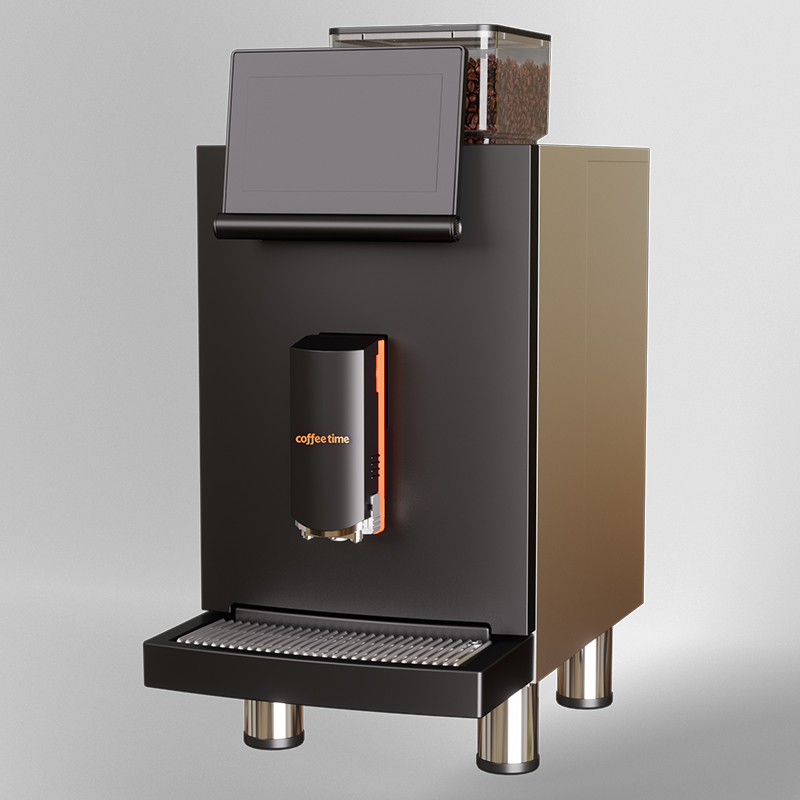
Before brewing, familiarize yourself with the parts of your espresso coffee machine:
Portafilter: The handle-like device that holds the coffee grounds. It includes a basket (where grounds are placed) and a spout (where espresso flows).
Group Head: The metal component where the portafilter attaches. It delivers hot water under pressure to the coffee.
Boiler: Heats water to the ideal temperature (typically 195–205°F or 90–96°C).
Pump: Creates pressure (9–10 bars) to force water through the coffee grounds.
Steam Wand: Used for frothing milk for drinks like lattes and cappuccinos.
Control Panel: Adjusts settings like shot volume, temperature, and pre-infusion (if available).
Prepare the Machine
Preheat the Machine: Turn it on and allow it to warm up for 15–20 minutes. This ensures consistent water temperature.
Rinse the Group Head: Run a short burst of water through the group head without the portafilter to flush out residual grounds and stabilize temperature.
Check Water Quality: Use filtered water to prevent mineral buildup, which can damage the machine.
Grind and Measure Coffee
Grind Size: Use a burr grinder to achieve a fine, consistent grind (similar to table salt). Too coarse, and the water will flow too quickly; too fine, and it may clog.
Dose: Measure 18–20 grams of coffee for a double shot (adjust based on your basket size). Use a scale for accuracy.
Distribute Grounds: Tap the portafilter gently to settle the grounds, then use a distribution tool or finger to level them evenly.
Tamp the Coffee
Pressure: Apply 30–40 pounds of pressure using a tamper. The goal is a flat, even surface to ensure uniform extraction.
Twist: After pressing, give the tamper a slight twist to polish the grounds and prevent channeling (where water bypasses the coffee).
Attach the Portafilter and Brew
Lock the Portafilter: Twist it firmly into the group head to create a tight seal.
Start the Shot: Place a cup under the spout and activate the pump. A double shot should take 25–30 seconds.
Observe the Flow: The espresso should start as a slow drip and transition to a steady, honey-like stream. If it’s too fast, the grind is too coarse; if too slow, it’s too fine.
Froth Milk (Optional)
Purge the Steam Wand: Release steam briefly to clear condensation.
Position the Wand: Submerge the tip just below the milk’s surface for froth (for cappuccinos) or deeper for steamed milk (for lattes).
Texture the Milk: Heat to 150–155°F (65–68°C) while creating a velvety microfoam.
Clean Up
Knock Out the Puck: Tap the portafilter to remove the used grounds (the “puck”).
Rinse the Portafilter: Use water to prevent coffee oils from building up.
Backflush the Group Head: Use a blind basket and cleaning detergent to remove residue.
Wipe the Steam Wand: Clear milk residue with a damp cloth to prevent bacterial growth.
Key Precautions When Using an Espresso Coffee Machine
Avoid Overheating: Let the machine cool slightly between shots to maintain optimal temperature.
Handle Hot Parts Carefully: The portafilter, group head, and steam wand become extremely hot during use.
Use Fresh Coffee: Stale beans produce flat-tasting espresso. Store beans in an airtight container away from light and heat.
Descale Regularly: Mineral deposits from hard water can clog the machine. Follow the manufacturer’s descaling schedule.
Don’t Force the Portafilter: If it doesn’t lock easily, check for misalignment or residual grounds.
Monitor Pressure Gauges: Some machines have gauges to indicate if the pump is working correctly.
Never Run the Machine Without Water: This can damage the boiler and pump.
Conclusion: Mastering Your Espresso Coffee Machine
Operating an espresso coffee machine is both an art and a science. By understanding its components, refining your grinding and tamping techniques, and adhering to safety precautions, you can brew barista-quality espresso at home or in a professional setting. Remember that consistency is key—small adjustments to grind size, dose, or extraction time can dramatically impact flavor. Regular maintenance, such as cleaning and descaling, will prolong your machine’s lifespan and ensure optimal performance.
Whether you’re crafting a simple shot of espresso or experimenting with lattes and macchiatos, the process of using an espresso coffee machine is rewarding. With practice, you’ll develop an intuition for troubleshooting issues like uneven extraction or weak crema. Embrace the learning curve, and soon you’ll enjoy the unparalleled richness and complexity of freshly pulled espresso—all from the comfort of your own espresso coffee machine.