





How to use espresso coffee machine
Espresso coffee machines have become a staple in homes and cafes worldwide, offering a quick and flavorful way to brew concentrated coffee. Unlike drip coffee makers or French presses, espresso machines use high pressure to extract rich, aromatic flavors from finely ground coffee beans, resulting in a bold shot of espresso that serves as the base for lattes, cappuccinos, and more. However, mastering an espresso coffee machine requires understanding its components, settings, and techniques. Whether you’re a beginner or looking to refine your skills, this guide will walk you through the steps to use an espresso coffee machine effectively, highlight key precautions, and help you achieve barista-quality results.
How to Use an Espresso Coffee Machine: Step-by-Step Guide
1.Understanding Your Espresso Coffee Machine
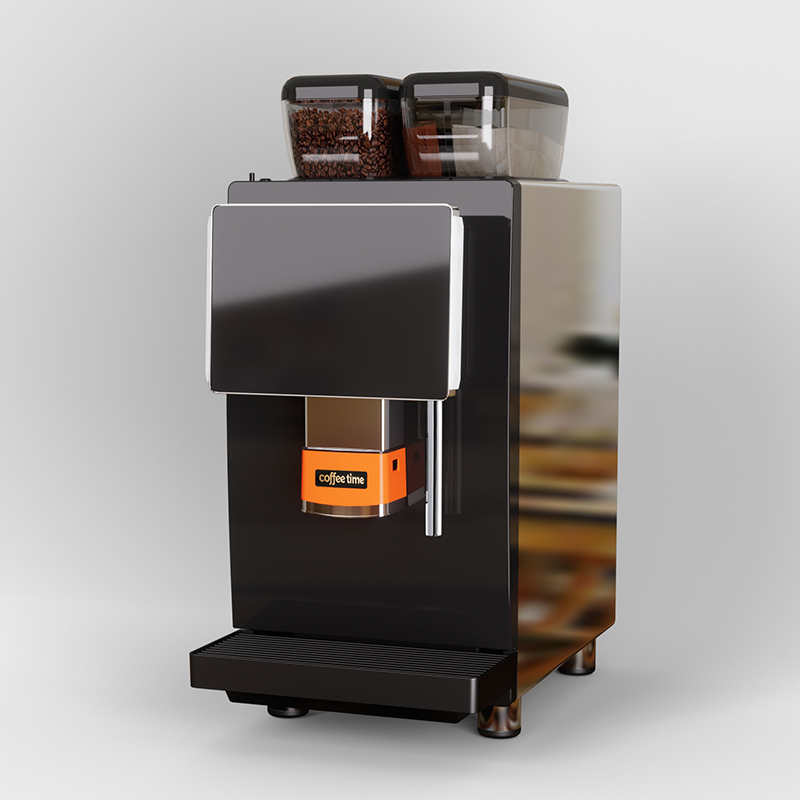
Before brewing, familiarize yourself with the machine’s parts. Most espresso coffee machines include:
Portafilter: The handle-like basket where coffee grounds are placed.
Group Head: The metal component where the portafilter attaches to the machine.
Steam Wand: Used for frothing milk (common in manual and semi-automatic models).
Water Reservoir: Holds water for brewing.
Pressure Gauge: Indicates extraction pressure (critical for perfect shots).
Control Buttons/Dials: Adjust settings like shot volume, temperature, and steam power.
Types of Espresso Machines:
Manual: Requires hands-on control of pressure and timing.
Semi-Automatic: Automates pressure but allows customization of grind size and shot duration.
Fully Automatic: Handles everything from grinding to brewing with minimal input.
Super-Automatic: Includes built-in grinders and programmable settings for convenience.
Choose a machine that matches your skill level and needs. Beginners may prefer semi-automatic models, while enthusiasts might enjoy manual control.
2.Preparing the Machine
Fill the Water Reservoir: Use filtered water to avoid mineral buildup.
Preheat the Machine: Turn it on and let it warm up for 10–15 minutes. This ensures consistent temperature during extraction.
Run a Blank Shot: Without coffee grounds, press the brew button to flush hot water through the group head, removing residual oils.
3.Grinding and Tamping Coffee
Grind Size: Espresso requires a fine grind, similar to table salt. Too coarse, and the water will flow too quickly, resulting in weak espresso; too fine, and it may taste bitter.
Dose: Use 18–20 grams of coffee for a double shot (adjust based on your portafilter size).
Distribution: Evenly spread grounds in the portafilter to avoid channeling (where water bypasses the coffee).
Tamping: Press down firmly with a tamper to create a compact puck. Aim for 30 pounds of pressure (practice on a scale to gauge force).
4.Brewing the Espresso
Attach the Portafilter: Lock it securely into the group head.
Start the Shot: Press the brew button. A well-extracted shot should take 25–30 seconds and yield 1.5–2 ounces of liquid.
Observe the Flow: The espresso should drip like warm honey at first, then stream smoothly. If it gushes, the grind is too coarse; if it trickles, it’s too fine.
5.Frothing Milk (Optional)
For lattes or cappuccinos:
Use Cold Milk: Whole milk froths best, but alternatives like oat or almond milk work too.
Purge the Steam Wand: Release steam briefly to clear condensation.
Position the Wand: Submerge it just below the milk’s surface to create foam. Lower it as the milk expands to heat it evenly.
Texture Matters: Aim for microfoam—smooth, velvety milk with tiny bubbles.
6.Cleaning Up
Remove the Portafilter: Knock out the used puck and rinse the basket.
Wipe the Group Head: Use a damp cloth to remove coffee residue.
Backflush (for Semi-Automatic/Manual Models): Run water through the machine without the portafilter to clear grounds.
Descale Regularly: Use a descaling solution every 2–3 months to prevent mineral buildup.
Key Precautions When Using an Espresso Coffee Machine
1.Avoid Overheating: Never run the machine without water, as this can damage the boiler.
2.Handle Hot Parts Carefully: The portafilter, steam wand, and group head become extremely hot during use.
3.Use Fresh Beans: Stale coffee leads to flat-tasting espresso. Store beans in an airtight container away from light and heat.
4.Monitor Pressure: If your machine has a gauge, ensure it stays within the optimal range (usually 9–10 bars).
5.Don’t Force the Portafilter: Locking it too tightly can warp the seal; a snug fit is sufficient.
7.Vent Steam Wand After Use: Point it downward and open the valve to release trapped milk, preventing clogs.
8.Unplug Before Cleaning: Reduce the risk of electric shock when wiping or descaling.
Conclusion: Mastering Your Espresso Coffee Machine
Learning to use an espresso coffee machine takes practice, but the results are worth it. By understanding your machine’s components, perfecting your grind and tamp, and following proper brewing techniques, you can craft rich, balanced espresso shots at home. Remember to prioritize safety—handle hot parts with care, clean your machine regularly, and use fresh ingredients. Whether you’re sipping a solo shot or experimenting with lattes, your espresso coffee machine is a versatile tool that can elevate your coffee experience. With patience and attention to detail, you’ll soon brew like a pro—one delicious shot at a time.
By investing time in mastering your espresso coffee machine, you’ll unlock a world of coffee possibilities and enjoy café-quality drinks without leaving your kitchen. Happy brewing!
FAQ
What is the suitable working environment for your espresso coffee machine?
It works well in dry indoor spaces with stable power supply. Avoid high humidity and direct sunlight to protect internal components and extend service life.
Can your espresso coffee machine make cappuccino and latte besides espresso?
Yes, it is fitted with a steam wand. You can froth milk easily to prepare cappuccino, latte and other popular milk-based coffee drinks.
How often should we clean the espresso coffee machine?
Rinse the steam wand after each use. Do deep cleaning and descaling every 2 to 4 weeks according to local water hardness to maintain stable extraction.
Is custom logo and voltage available for your espresso coffee machine?
We support OEM custom logo. Different voltage versions can be provided to meet market requirements of various countries and regions.
What kind of coffee grounds are recommended for this espresso coffee machine?
Use medium-fine ground coffee beans. Too fine or coarse grounds will cause under-extraction or over-extraction and affect espresso taste.
Please Contact Us!

Recent News
1.How long does a coffee machine last
2026-02-042.What to look for bean to cup coffee machine features
2026-01-263.How to descale an espresso coffee machine
2026-01-214.How to choose a coffee machine
2026-01-205.How to maintain a commercial coffee machine
2026-01-196.What is the difference between athome and commercial coffee machine
2026-01-167.How to clean a commercial coffee machine
2026-01-158.How does a commercial coffee machine work
2026-01-14

