Coffee has evolved from a simple morning ritual to a cultural phenomenon, with millions of people relying on it to fuel their day. Whether you’re a home barista or managing a bustling café, selecting the right coffee machine is crucial to achieving the perfect brew. The market offers a dizzying array of options, from basic drip coffee makers to sophisticated commercial coffee machines designed for high-volume use. This guide will walk you through the process of choosing a coffee machine tailored to your needs, focusing on functionality, budget, and long-term value. We’ll also highlight key considerations for businesses investing in commercial coffee machines, ensuring your choice enhances efficiency and customer satisfaction.
Part 1: Solutions for Choosing the Right Coffee Machine
1.Assess Your Brewing Needs
The first step in selecting a coffee machine is understanding your usage patterns. For home users, factors like the number of coffee drinkers, preferred brewing methods, and space constraints matter most. If you enjoy espresso-based drinks like lattes or cappuccinos, a machine with a built-in milk frother or a separate espresso maker might be ideal. For offices or small businesses, a mid-range commercial coffee machine could balance cost and capacity, offering consistent quality without overwhelming maintenance demands.
Larger enterprises, such as hotels or restaurants, require heavy-duty commercial coffee machines capable of handling hundreds of cups daily. These machines often feature programmable settings, dual boilers for simultaneous brewing and steaming, and durable components to withstand constant use.
2.Determine Your Budget
Coffee machines range from 20 for abasicdrip model to over 10,000 for high-end commercial coffee machines. Home users should prioritize affordability and ease of use, while businesses must weigh upfront costs against long-term savings. For example, a $500 semi-automatic espresso machine might seem expensive for home use but could pay off quickly in a café setting by reducing labor costs and waste.
Commercial buyers should also factor in operational expenses, such as energy efficiency, water usage, and maintenance. A slightly pricier machine with self-cleaning features or energy-saving modes may prove more cost-effective over time.
3.Evaluate Brewing Methods
Different machines cater to distinct brewing styles:
Drip Coffee Makers: Best for large batches of black coffee. Simple and affordable, but limited in versatility.
Espresso Machines: Come in manual, semi-automatic, and fully automatic varieties. Ideal for specialty drinks but require training to use effectively.
French Press/Pour-Over: Manual methods offering control over extraction time and temperature, suited for purists but impractical for high volumes.
Commercial Coffee Machines: Designed for speed and consistency, often integrating multiple brewing methods (e.g., espresso and drip) into one unit.
Businesses should opt for commercial coffee machines that align with their menu. A café focusing on artisanal espresso might choose a semi-automatic model, while a hotel lobby could benefit from a fully automatic machine with one-touch cappuccino options.
4.Consider Space and Power Requirements
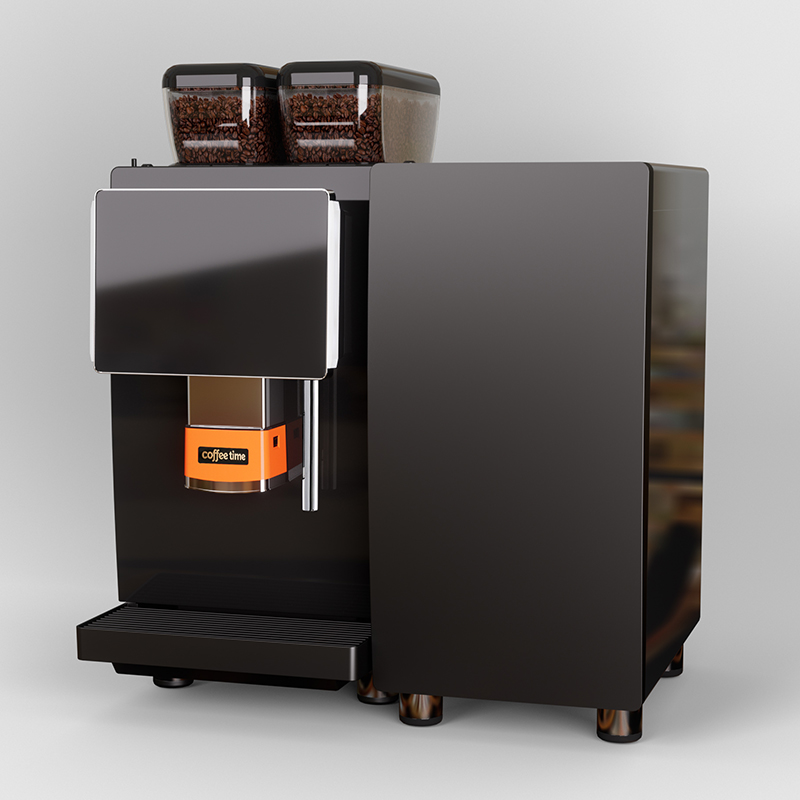
Home users must measure countertop space and ensure access to electrical outlets or plumbing (for espresso machines with water lines). Commercial coffee machines, particularly floor-standing models, require dedicated space and may need professional installation. Check voltage requirements—some commercial machines need 220V outlets, which aren’t standard in all buildings.
Part 2: Key Considerations When Choosing a Coffee Machine
1.Durability and Build Quality
Commercial coffee machines endure rigorous daily use, so prioritize models with stainless steel construction, commercial-grade portafilters, and robust boilers. Home machines don’t need the same durability but should still feel sturdy enough to last several years.
2.Ease of Maintenance
Regular cleaning is essential to prevent mold and maintain flavor. Look for machines with removable brew groups, dishwasher-safe parts, or automatic descaling cycles. Commercial coffee machines often include self-cleaning functions, reducing downtime during peak hours.
3.Brand Reputation and Support
Reputable brands like De’Longhi, Jura, and La Marzocco offer reliable products and accessible customer service. For commercial buyers, check if the manufacturer provides on-site repairs or replacement parts. Warranties vary widely—some commercial coffee machines come with 3-year coverage, while budget models may offer only 1 year.
4.Customization Options
Advanced machines allow users to adjust grind size, water temperature, and extraction time. This is critical for businesses aiming to standardize drinks across multiple locations. Home users might prefer preset programs for convenience.
5.Energy Efficiency
Commercial coffee machines consume significant energy, so choose models with Energy Star ratings or standby modes. Thermal carafes (instead of heating plates) also reduce power usage in drip coffee makers.
Looking for a Reliable Commercial Coffee Machine Manufacturer & OEM/ODM Partner?
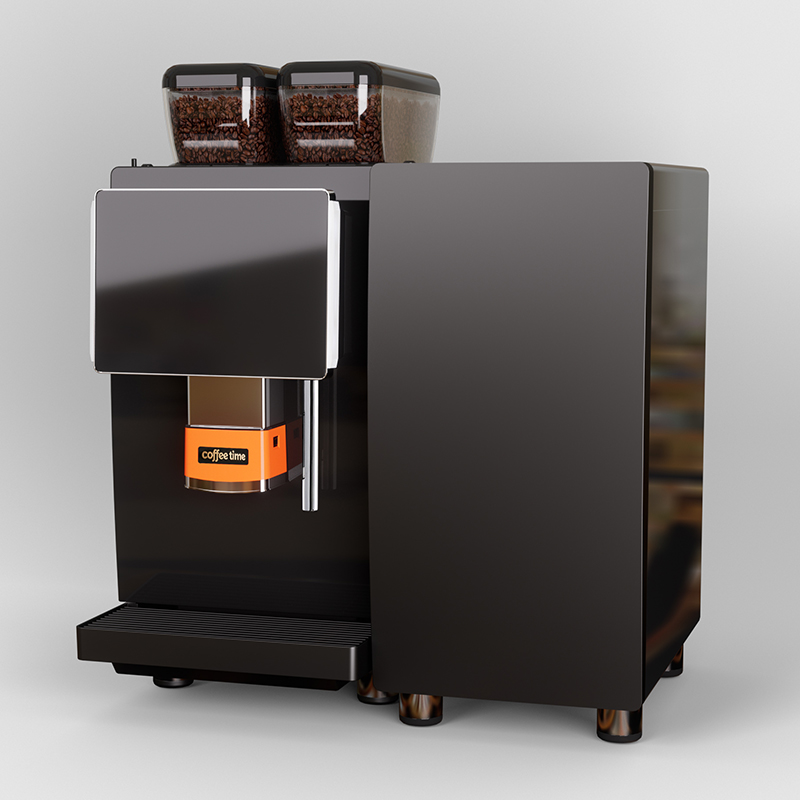
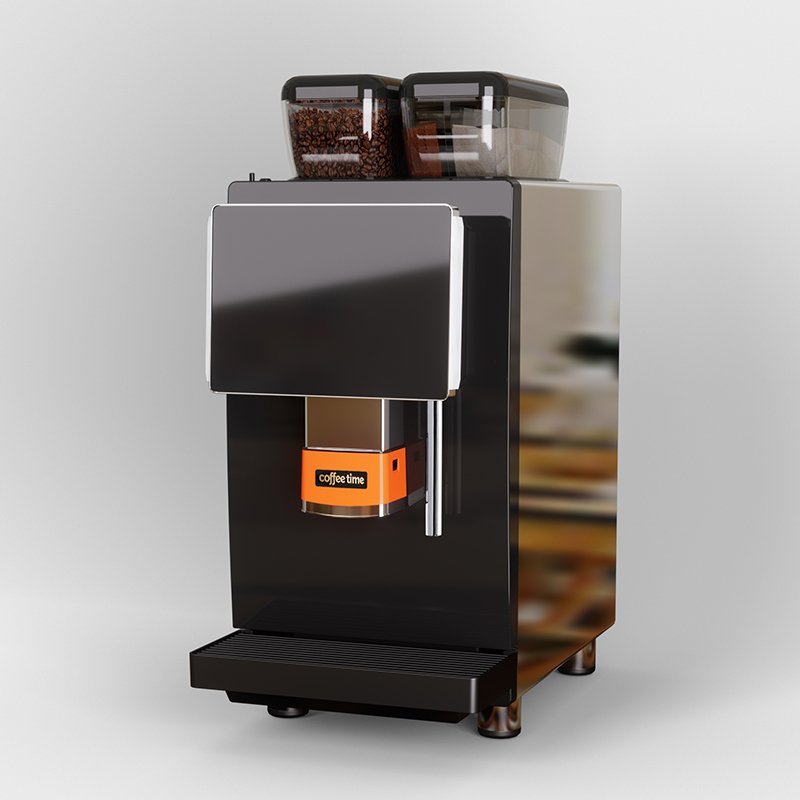
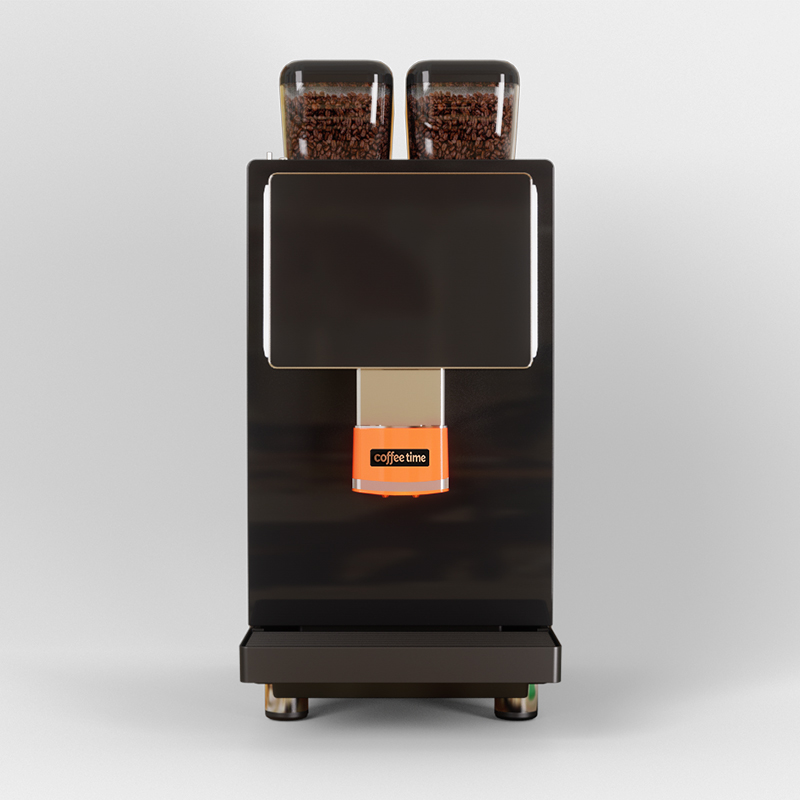
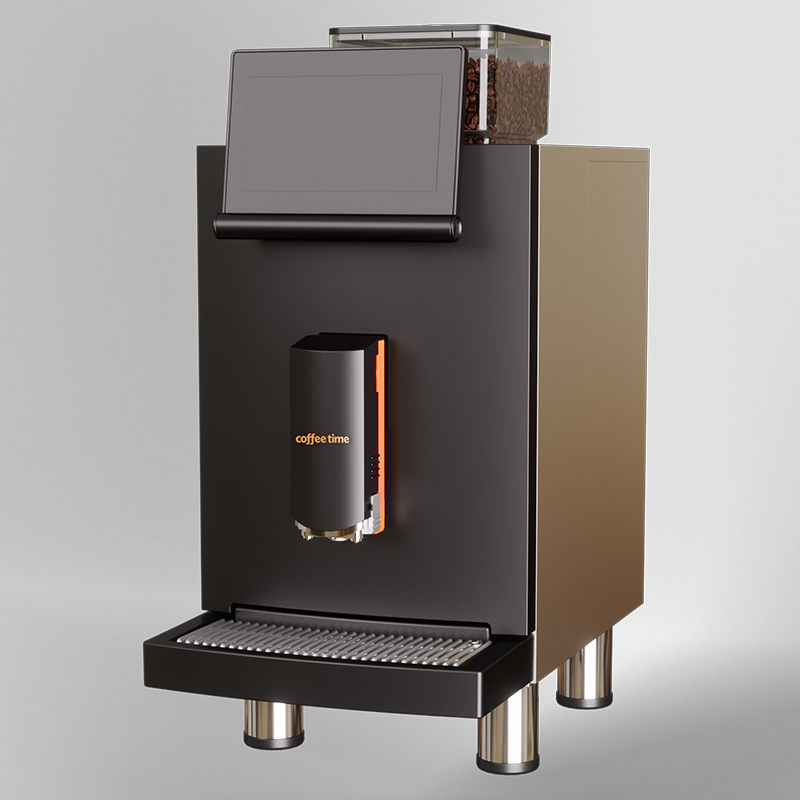
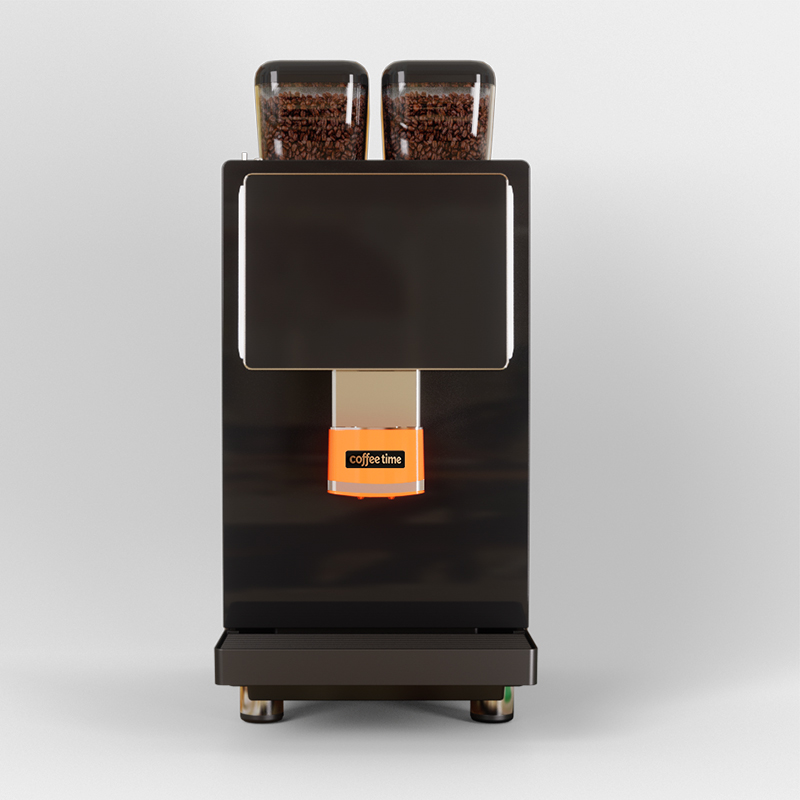
Coffee Time specializes in fully automatic commercial espresso coffee machines with over 20 years of manufacturing experience. Our product line covers W4, W5, W6 and P2000 series bean-to-cup machines, supporting fresh milk options and up to 24 drink recipes. We provide full ODM/OEM customization on structure, UI software, functional modules, appearance branding and packaging. With 100+ patents, a modern production base and global after-sales network covering 100+ countries, we serve distributors, brand wholesalers, hotel chains, convenience stores and HoReCa operators worldwide. Free samples are available (customer bears shipping cost). All products comply with CE, FCC and other international certifications.
Request Quote & Free Samples
Part 3: Conclusion: Making the Final Decision
Choosing a coffee machine—whether for home or business—requires balancing practicality, quality, and cost. Home users should prioritize simplicity and versatility, while businesses must invest in commercial coffee machines that deliver consistency under heavy demand. Always test machines in person if possible, and read reviews from users with similar needs.
For commercial settings, remember that the right machine can enhance customer experience and streamline operations. A well-maintained commercial coffee machine not only produces better-tasting coffee but also minimizes repairs and downtime. Partner with suppliers who offer training for staff and ongoing support to ensure your investment pays off.
In the end, the best coffee machine is one that fits your lifestyle or business model without compromising on quality. By assessing your needs, budget, and long-term goals, you can confidently select a machine that turns every cup into a satisfying experience—whether it’s a quick morning pick-me-up or a cornerstone of your café’s reputation.
FAQ
What types of coffee can a coffee machine make?
A coffee machine can prepare various beverages, including espresso, Americano, cappuccino, latte, and other specialty coffees. Depending on the model, users can adjust coffee strength, water volume, temperature, and milk settings to meet different preferences and commercial or household coffee preparation requirements.
How do I choose the right coffee machine for my business?
When selecting a coffee machine, consider daily coffee volume, available space, brewing capacity, automation level, and beverage types. Commercial users should also evaluate durability, cleaning requirements, energy consumption, customization options, and after-sales support to ensure the machine matches their operational needs.
How often should a coffee machine be cleaned?
The cleaning frequency depends on usage and machine type. Daily cleaning is generally recommended for the brewing area, coffee outlet, and milk system. Regular descaling and deeper maintenance should also be performed according to the manufacturer's instructions to maintain coffee quality, hygiene, and stable machine performance.
Can coffee machines be customized for commercial applications?
Yes, coffee machines can be customized for different commercial applications. Manufacturers may provide options for brewing capacity, machine configuration, control systems, appearance, voltage, branding, and other specifications. OEM and ODM services can also help distributors, coffee shops, hotels, restaurants, and other businesses meet specific market requirements.
What should I consider when buying a coffee machine from a manufacturer?
When purchasing a coffee machine from a manufacturer, consider product quality, production capacity, certifications, customization capabilities, warranty terms, spare parts availability, and technical support. Buyers should also confirm specifications, minimum order quantities, packaging, delivery time, and after-sales service before placing an order.