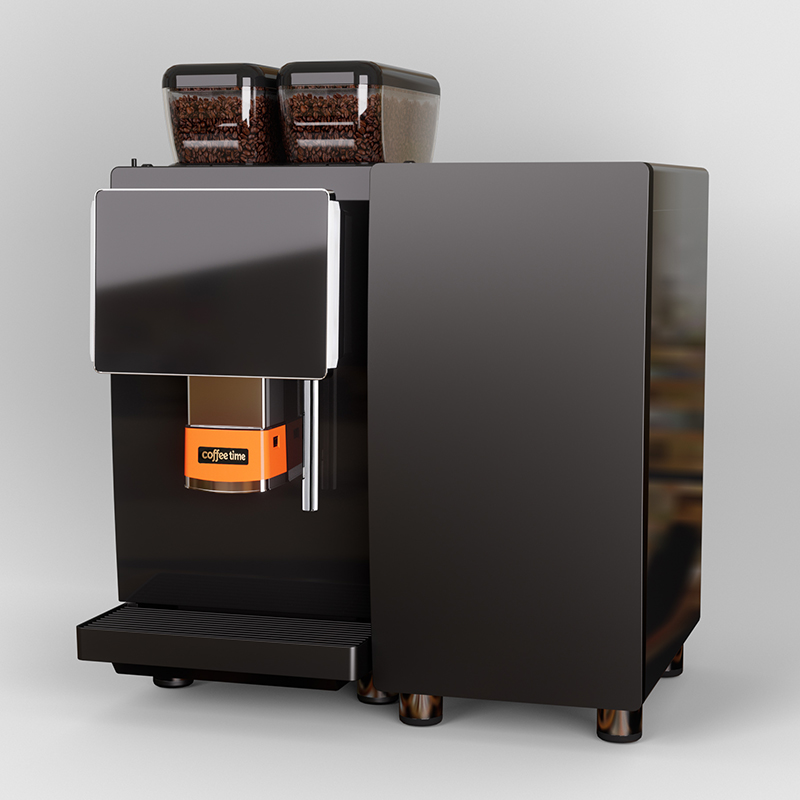


What is a commercial coffee machine
In the bustling environments of cafés, restaurants, offices, and hospitality venues, the aroma of freshly brewed coffee is not just a sensory delight but a cornerstone of daily operations. At the heart of this experience lies the commercial coffee machine—a specialized appliance designed to meet the high demands of professional settings. Unlike household models, commercial coffee machines are engineered for durability, efficiency, and consistency, ensuring they can handle the rigors of continuous use while delivering quality beverages to customers or employees. This article explores the definition, types, features, and importance of commercial coffee machines in modern business landscapes.
Definition and Purpose
A commercial coffee machine is a high-performance appliance specifically built to brew large quantities of coffee efficiently and consistently. It is designed to operate in environments where coffee consumption is high, such as coffee shops, hotels, corporate offices, and event venues. These machines differ from domestic models in several key ways:
1.Robust Construction: Commercial machines are built with heavy-duty materials to withstand frequent use, often producing 40–100+ cups per day.
2.Advanced Heating Systems: They feature larger boilers and heating elements to maintain optimal water temperature and pressure, critical for brewing espresso and steaming milk.
3.High Output Capacity: Equipped with multiple group heads (in espresso machines) or large brewing chambers (in drip or bean-to-cup machines), they can serve multiple customers simultaneously without compromising quality.
4.Programmability and Automation: Many models offer customizable settings for shot volume, temperature, and milk frothing, reducing manual intervention and ensuring consistency.
Types of Commercial Coffee Machines
Commercial coffee machines come in various configurations to suit different operational needs and beverage preferences. The main types include:
1.Espresso Machines
Espresso machines are the backbone of cafés and specialty coffee shops. They use high pressure (typically 9 bars) to extract concentrated coffee shots from finely ground beans. Commercial espresso machines are categorized into three subtypes:
Manual Machines: Require skilled baristas to control water flow and pressure manually. These are rare in high-volume settings due to their labor-intensive nature.
Semi-Automatic Machines: Allow baristas to initiate and stop the extraction process but automate water temperature and pressure. They strike a balance between control and efficiency.
Fully Automatic Machines: Feature programmable settings for shot volume and duration, minimizing human error and ensuring consistency. Some models include automatic milk frothers for cappuccinos and lattes.
2.Bean-to-Cup Machines
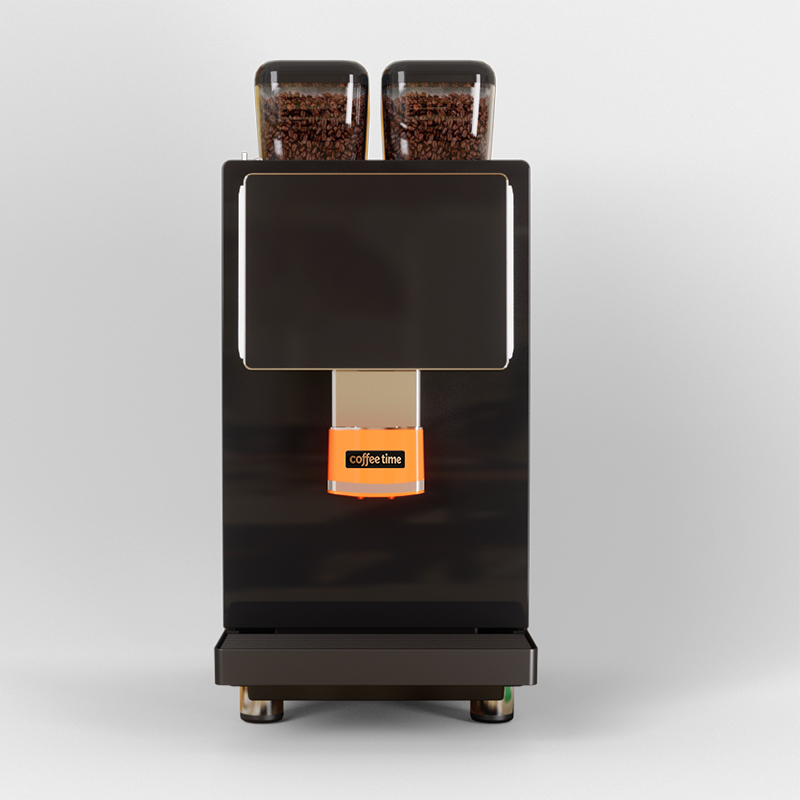
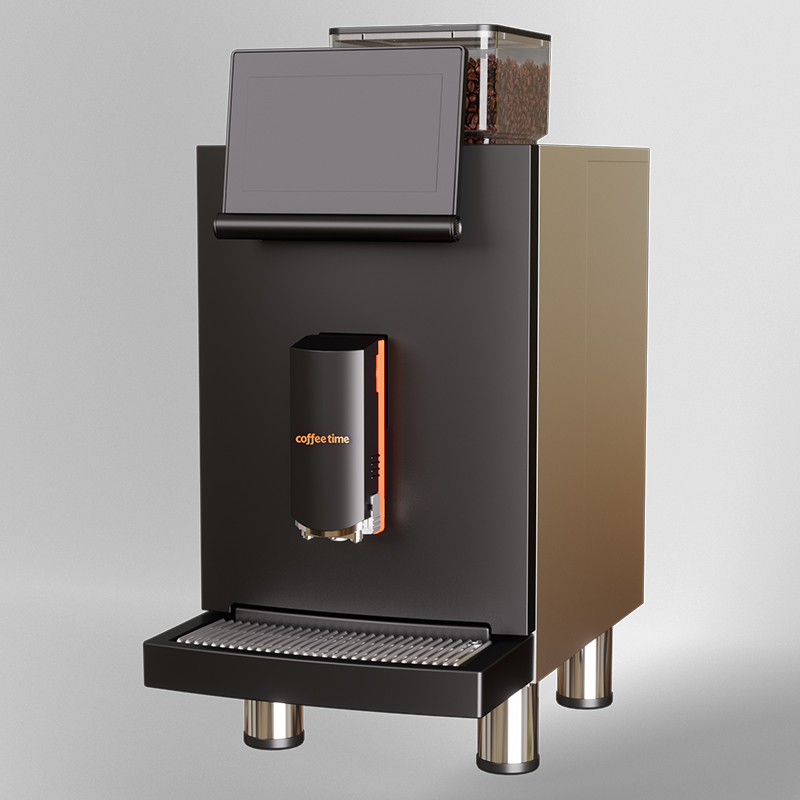
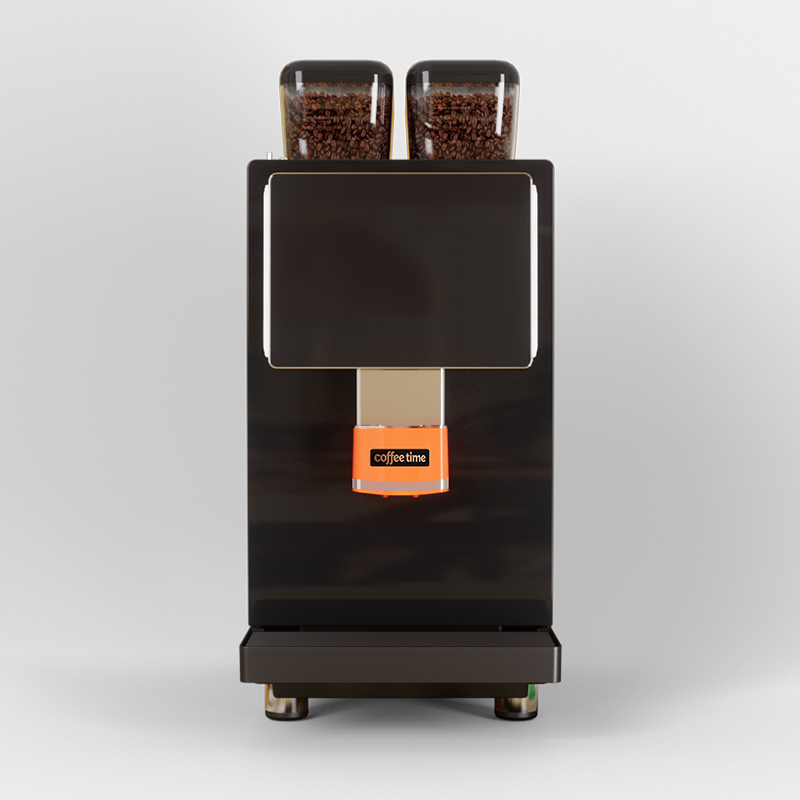
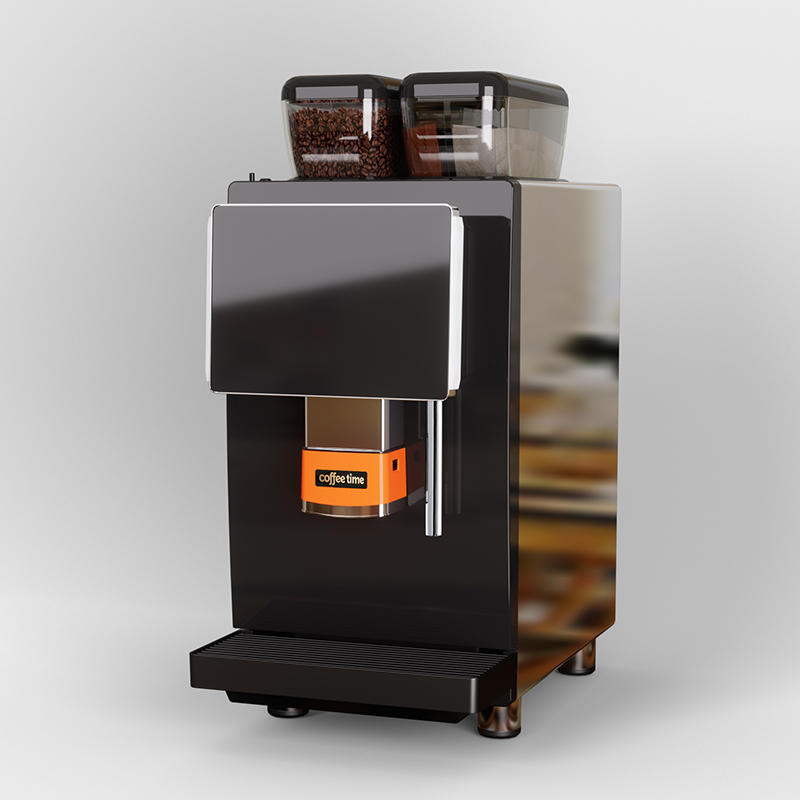
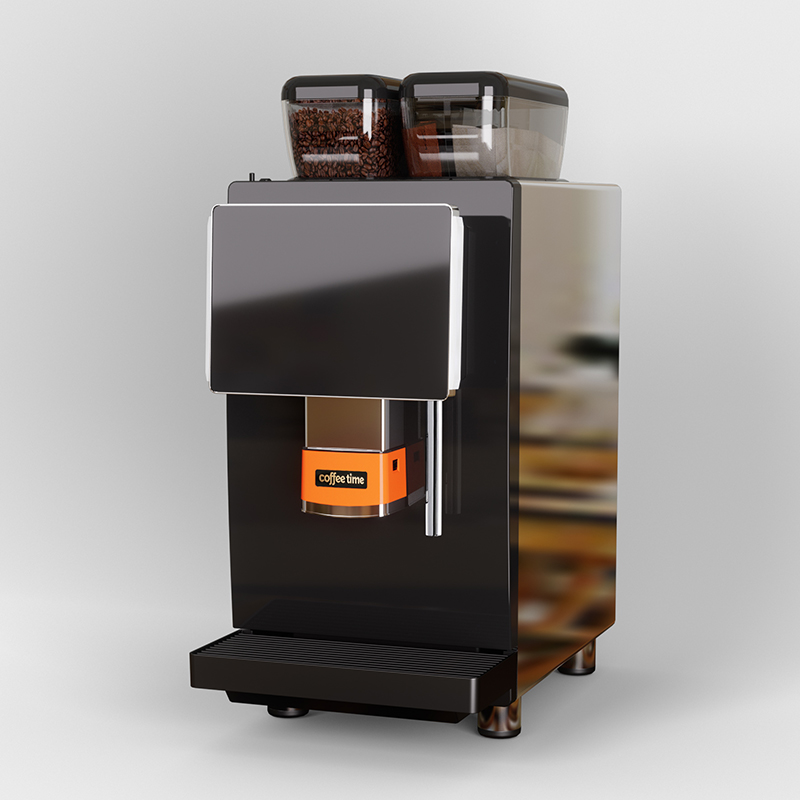
Bean to cup machines automate the entire coffee-making process, from grinding whole beans to brewing and dispensing the final beverage. These machines are ideal for offices, convenience stores, and self-service areas where barista expertise is unavailable. They often include built-in milk frothers and touchscreen interfaces for easy operation.
3.Drip Coffee Makers
Drip coffee makers are common in offices, banquet halls, and venues requiring bulk brewing. They use gravity to drip hot water through ground coffee, producing large batches of filtered coffee. Commercial drip machines may include features like hot plates to keep coffee warm, multiple brewing chambers, and water line connections for continuous operation.
4.Combination Machines
Some commercial machines combine espresso brewing with drip coffee or hot water dispensing, catering to diverse beverage preferences. These are popular in cafeterias, hotels, and corporate settings where customers expect a variety of options.
Key Features of Commercial Coffee Machines
To thrive in professional environments, commercial coffee machines incorporate several advanced features:
Dual Boilers: Separate boilers for brewing and steaming ensure temperature stability, preventing fluctuations that affect espresso quality.
Flowmeters and Gravimetric Systems: These measure water volume or coffee weight precisely, enabling consistent shot extraction.
Energy Efficiency: Modern machines include eco modes, programmable timers, and standby settings to reduce power consumption during idle periods.
Smart Diagnostics: IoT-enabled machines can monitor performance, alert users to maintenance needs, and even adjust settings remotely via mobile apps.
Milk Frothing Systems: High-end models feature automatic steam wands or integrated milk carafes for barista-quality lattes and cappuccinos.
Importance in Business Settings
The role of a commercial coffee machine extends beyond brewing coffee—it impacts customer satisfaction, operational efficiency, and revenue generation:
Customer Experience: In cafés and restaurants, a reliable machine ensures quick service and consistent drink quality, fostering loyalty.
Employee Productivity: In offices, access to quality coffee boosts morale and reduces downtime caused by off-site coffee runs.
Menu Diversification: Advanced machines enable businesses to offer specialty drinks like flat whites, mochas, and chai lattes, attracting a broader clientele.
Cost Efficiency: While commercial machines have higher upfront costs, their durability and low per-cup cost make them economical in the long run.
Maintenance and Longevity
Regular maintenance is crucial to extend the lifespan of a commercial coffee machine. High-volume models should be serviced 3–4 times annually, with daily cleaning routines to prevent scale buildup, clogged filters, and wear on moving parts. Using filtered water and following manufacturer guidelines for descaling and part replacement further ensures optimal performance.
Conclusion
The commercial coffee machine is an indispensable tool in modern business environments, blending engineering precision with operational efficiency to deliver quality beverages at scale. Whether in a bustling café, a corporate office, or a hospitality venue, these machines are designed to meet the demands of high-volume use while offering versatility, consistency, and cost-effectiveness. By understanding the types, features, and maintenance requirements of commercial coffee machines, businesses can make informed investments that enhance customer satisfaction, streamline operations, and drive long-term success. As technology advances, the commercial coffee machine continues to evolve, incorporating smart features and sustainable designs that redefine the standards of professional coffee brewing. For any establishment seeking to elevate its beverage offerings, the commercial coffee machine remains a cornerstone of innovation and reliability.