How much does a commercial coffee machine cost
If you want to buy a commercial coffee machine, you can expect to pay anywhere from $2,000 to $32,000 or £1,500 to £25,000. The price varies based on many factors. Look at the table below to see the typical price ranges in GBP:
Price Range (GBP) | Description |
|---|---|
£1,500 – £25,000 | General price range for commercial coffee machines |
£2,800 – £4,300 | Typical price range for mid-tier machines |
£10,000 – £21,000+ | High-end machines for large-scale operations |
The cost depends on the type of machine, its features, and what your business needs. For example, advanced features like automatic cleaning and multiple bean hoppers can increase the price. If you need high-quality coffee and easy maintenance, you may pay more.
Key Takeaways
Commercial coffee machines range from $2,000 to $32,000, depending on features and capacity. Choose based on your business needs.
Consider machine type: semi-automatic, automatic, or superautomatic. Higher automation saves time but costs more.
Plan for additional costs like installation, maintenance, and accessories. These can significantly impact your overall budget.
Evaluate leasing versus buying. Leasing offers flexibility, while buying can save money in the long run.
Invest in staff training to ensure proper use and maintenance of the machine. This leads to better coffee quality and fewer repairs.
Commercial Coffee Machine Cost Factors
Machine Type and Automation
You will find that the type of machine and its level of automation play a big role in pricing. Machines come in semi-automatic, automatic, and superautomatic models. Semi-automatic machines let you control the brewing process. Automatic machines handle timing for you. Superautomatic machines do everything, from grinding beans to steaming milk, with just one touch. These fully automated machines cost more because they save time and reduce mistakes.
Semi-automatic: You start and stop shots manually.
Automatic: The machine controls the timing.
Superautomatic: The machine grinds, brews, and steams milk for you.
Capacity and Output
Capacity affects how much coffee you can serve during busy times. If you run a café or restaurant, you need a machine that can keep up with demand. Machines with single boilers may struggle during rush hours. Dual or multi-boiler machines handle higher demand and keep water temperature steady. Heat exchanger machines work well for moderate needs, making 50 to 100 drinks per session.
You should match your machine’s capacity to your busiest periods. If you choose based only on price, you may face problems later.
Features and Technology
Advanced features and technology increase the price. Touchscreen interfaces make operation easy. Integrated grinders improve coffee quality. Machines with precise temperature control help you get consistent results. Some models offer IoT connectivity for remote monitoring and predictive maintenance. Self-cleaning systems and energy-efficient designs also add value.
Feature | Impact on Price |
|---|---|
Touchscreen Interface | Higher |
Integrated Grinder | Higher |
IoT Connectivity | Higher |
Self-Cleaning | Higher |
Energy Efficiency | Higher |
Brand and Build Quality
Brand reputation and build quality matter when you invest in a commercial coffee machine. Machines made with stainless steel and brass last longer and need fewer repairs. Trusted brands offer better support and reliability. Cheaper machines may seem appealing, but they often require more maintenance and early replacement. You should balance cost with durability and performance.
Commercial Coffee Machine Price Ranges
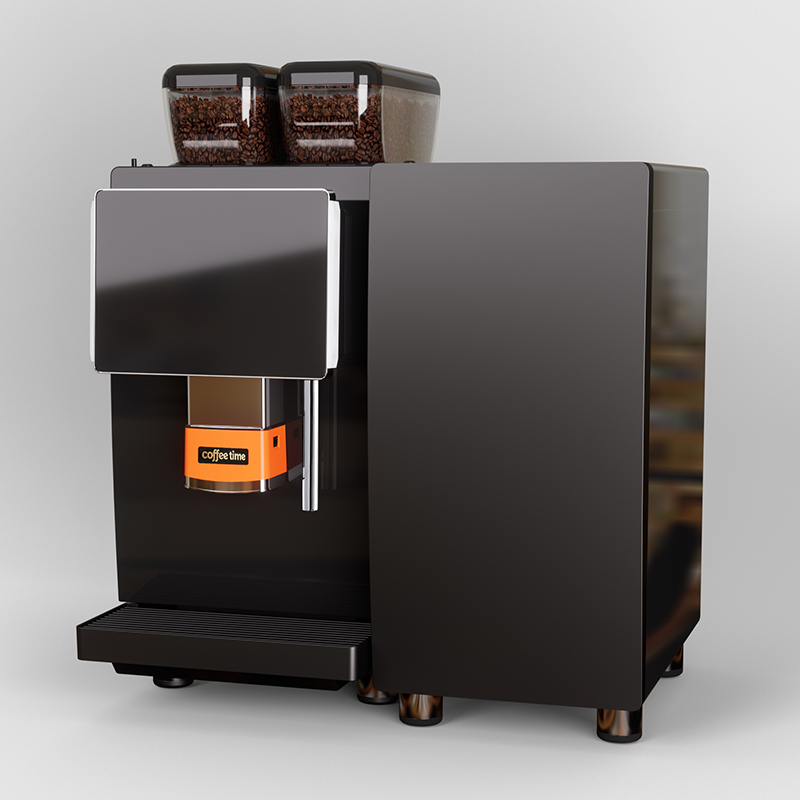
When you look for a commercial coffee machine, you will see a wide range of prices. Each price tier matches different business needs, machine features, and output levels. Let’s break down what you get at each level.
Entry-Level ($500–$3,000 / £400–£2,500)
Entry-level machines work best for small offices, bakeries, or cafes that serve fewer than 50 drinks a day. You will find both filter coffee machines and basic espresso machines in this range. These machines often use semi-automatic or traditional controls. They focus on reliability and ease of use, but they have limited output and fewer advanced features.
Tip: If you run a small business or need coffee for a staff kitchen, an entry-level machine can give you good quality without a big investment.
Here’s a quick look at where these machines fit:
Price Range | Description |
|---|---|
£1,000–£3,000 | Basic espresso machines for small cafes or office kitchens. Reliable, but limited output. |
Business Type | Use Case Description |
|---|---|
Casual Dining Restaurants | Serve coffee for casual dining experiences. |
Hotels | Offer coffee at breakfast buffets or self-serve stations. |
Bakeries | Pair coffee with baked goods in smaller settings. |
Corporate Dining | Provide coffee for employees in a convenient way. |
Mid-Range ($3,000–$10,000 / £2,500–£8,000)
Mid-range machines suit cafes, restaurants, and hotels with moderate to high coffee demand. You will see more advanced features, such as programmable settings, dual group heads, and automatic cleaning systems. These machines use higher quality materials and last longer. They can make many drinks per hour and handle busy periods with ease.
Feature/Aspect | Entry-Level Models | Mid-Range Models |
|---|---|---|
Target Use | Low-traffic areas, simple operations | Moderate to high-volume service |
Machine Type | Filter coffee machines | Traditional espresso machines |
Capacity | Lower capacity, fewer cups per hour | Higher capacity, multiple cups per hour |
Build Quality | Basic materials, lower longevity | Higher quality materials, longer lifespan |
Technology & Features | Basic operation, minimal features | Programmable settings, auto cleaning |
You will find these machines in:
Cafés and coffee shops that want to serve espresso drinks quickly.
Hotels and office canteens where speed and consistency matter.
Hospitality lounges and executive areas that need bean-to-cup convenience.
High-End ($10,000–$25,000+ / £8,000–£20,000+)
High-end machines are built for busy cafes, coffee chains, and large hotels. They offer the latest technology, such as touch-screen interfaces, smart diagnostics, and multi-boiler systems. These machines can produce hundreds of drinks each day and keep quality high, even during rush hours.
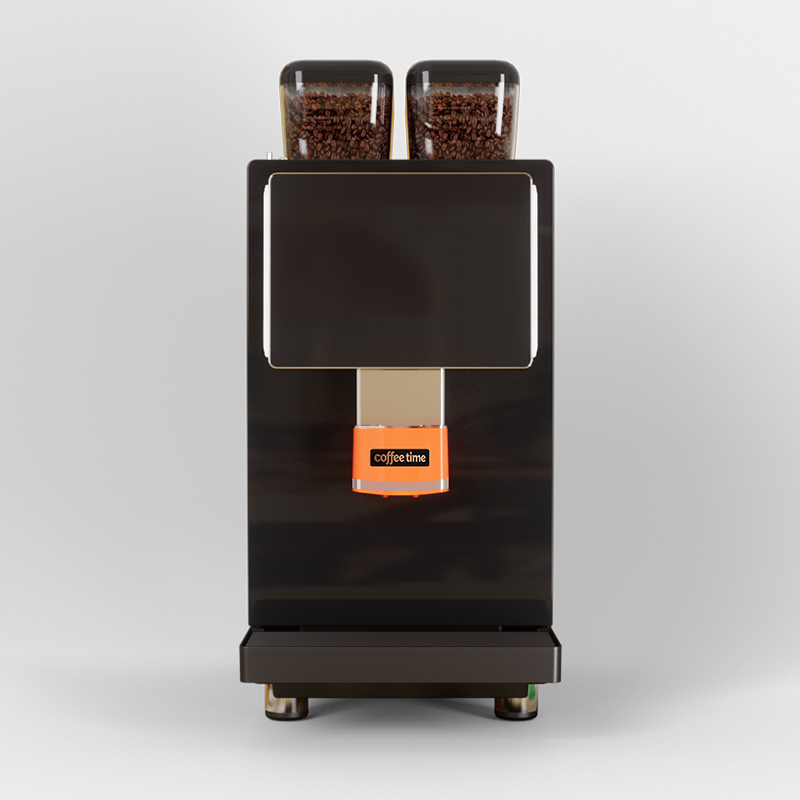
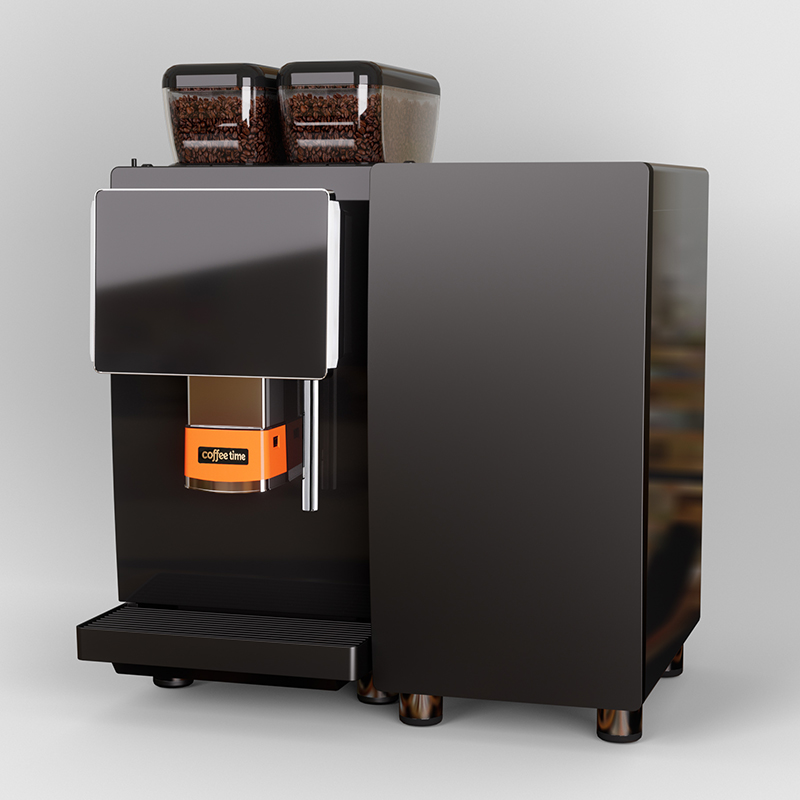
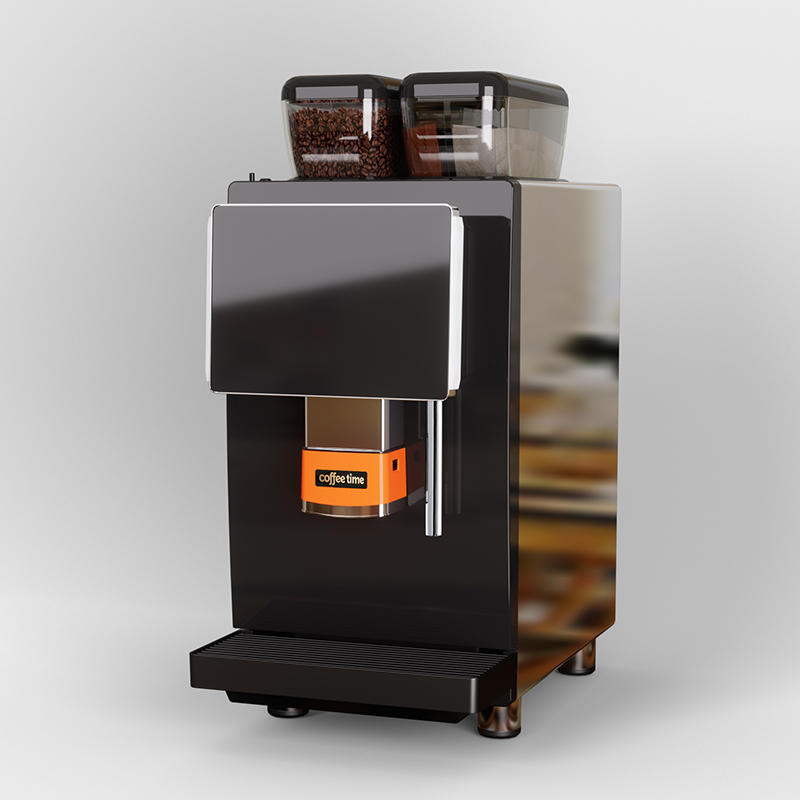
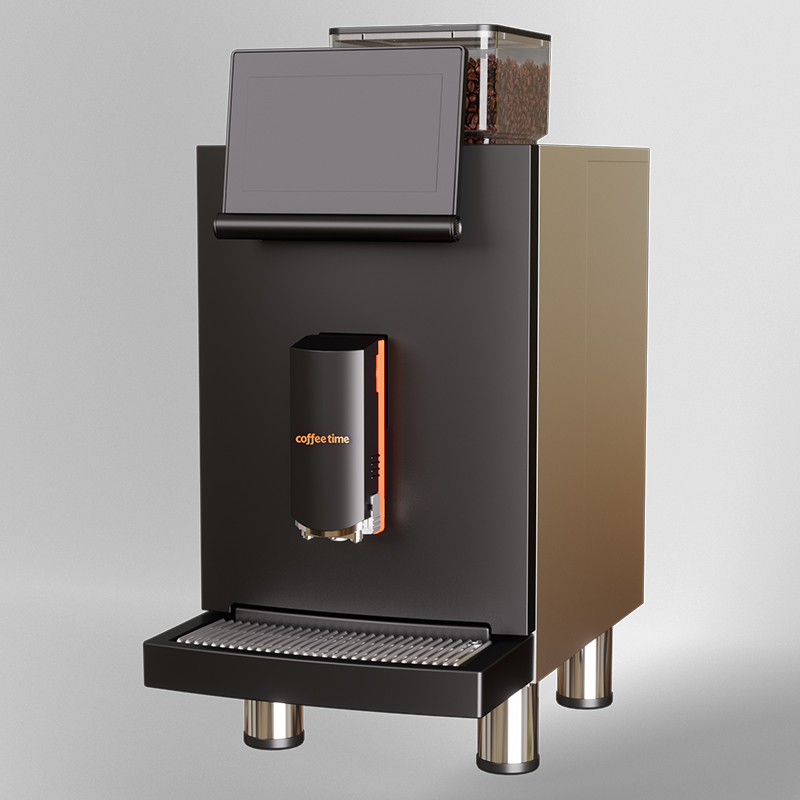
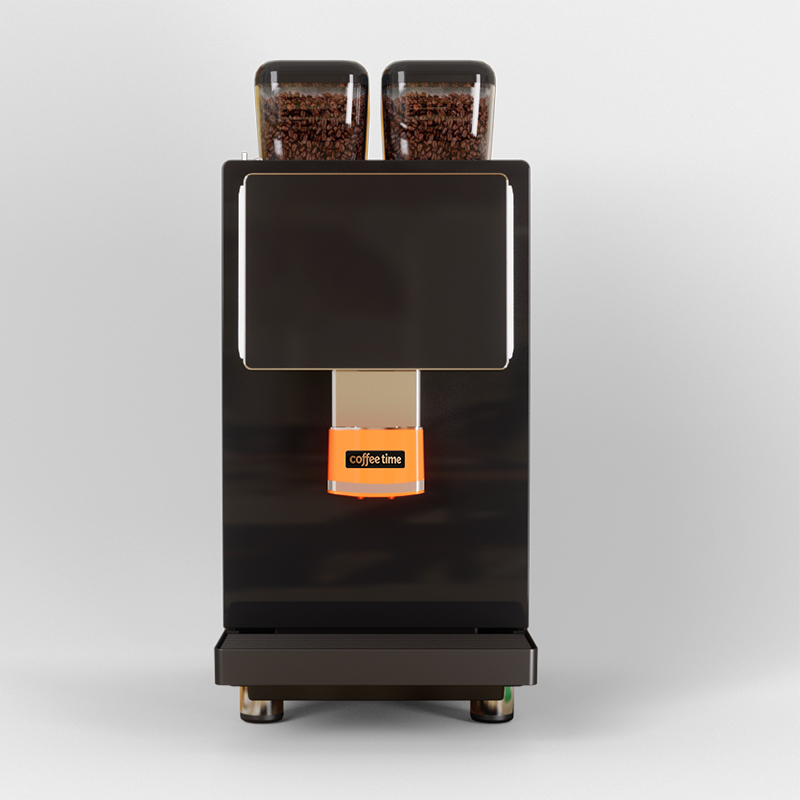
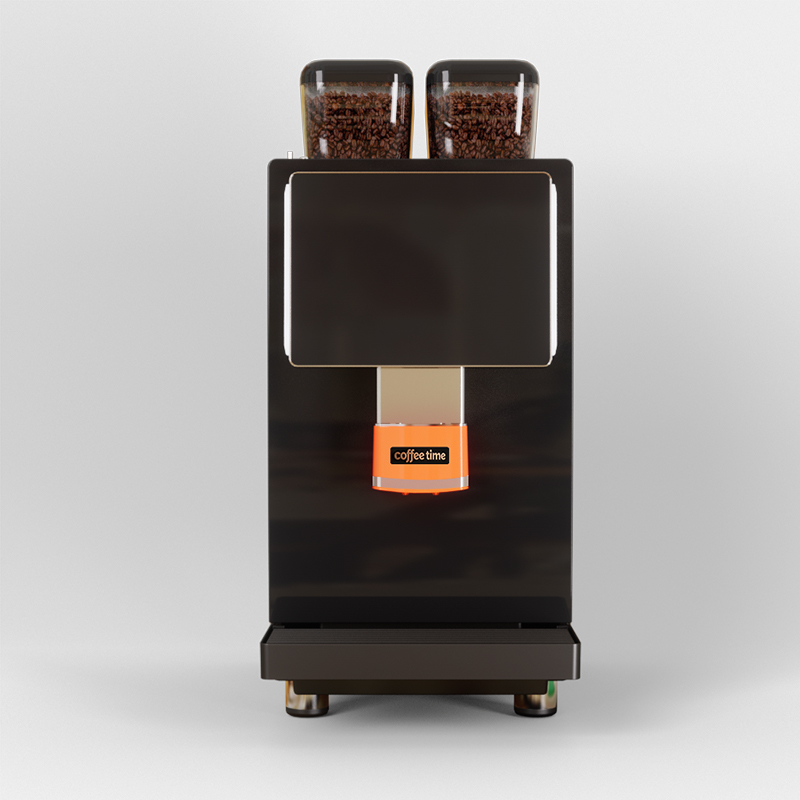
A standout example is the Coffee Time Touch Screen Commercial Automatic Coffee Machines with Grinder (W6 series). This machine features a 10.1-inch Android touchscreen, an integrated grinder, and a modular design for easy maintenance. It can make over 500 cups daily and supports a wide range of drinks, from espresso to cold milk foam. The W6 series also includes advanced temperature control, dual bean hoppers, and an automatic alarm system for smooth operation. You can use it in busy cafes, hotels, or any place that needs high output and top-tier performance.
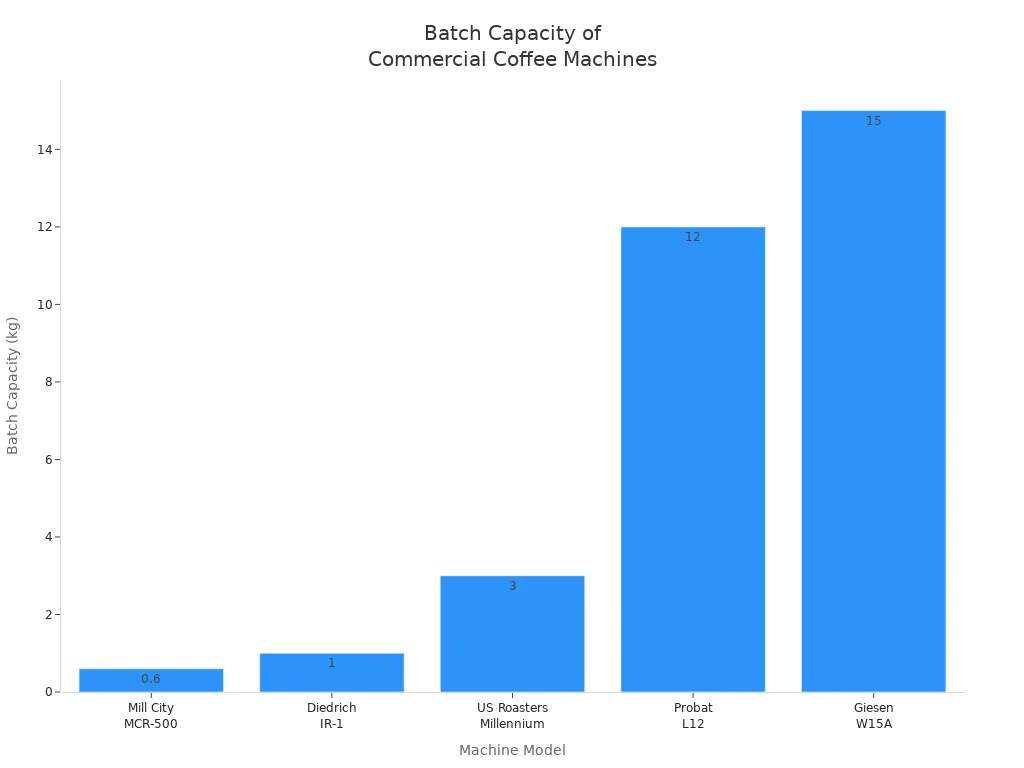
Other high-end machines, like those used in professional competitions or large chains, offer features such as automated roast profiling, fast cooling systems, and robust construction for heavy use.
Best-Use Scenarios
Each price tier fits different business needs. Here’s a summary to help you decide:
Machine Type | Best For | Pros | Cons | Typical Price Range |
|---|---|---|---|---|
Traditional Espresso Coffee Machine | Specialty coffee shops, artisanal venues | High-quality control, iconic look | Needs skilled baristas, slower speed | £4,000 - £15,000+ |
Bean to Cup Coffee Machine (Super-Automatic) | Offices, hotels, high-volume sites | Easy to use, fast, consistent | Less customization | £2,000 - £20,000+ |
Commercial Filter Brewer | Cafés, diners, large batch black coffee | Efficient, cost-effective | Limited to black coffee | £300 - £2,500 |
Entry-level: Choose this for small offices, bakeries, or casual dining spots.
Mid-range: Pick this for busy cafes, restaurants, or hotels that need speed and reliability.
High-end: Invest here if you run a large café, hotel, or coffee chain with high daily output.
Note: Leasing or buying refurbished machines can help you access higher-tier equipment without a large upfront cost.
You should match your choice to your business size, customer volume, and the type of drinks you want to serve. The right commercial coffee machine will help you deliver quality and keep your customers happy.
Additional Costs to Consider
Installation and Setup
You need to plan for installation and setup when you buy a commercial coffee machine. Professional installation helps you avoid mistakes and ensures your machine works safely. The cost depends on the size and complexity of your machine. Here are typical installation costs:
Professional installation for larger machines ranges from $500 to $5,000.
Complex setups, like connecting to water lines or electrical systems, increase the price.
Tip: Always ask for a quote before installation. This helps you avoid surprises.
Grinders and Accessories
Grinders play a key role in making great espresso. If you do not choose a bean-to-cup machine, you must buy a separate grinder. This adds to your investment and improves coffee quality. Accessories like milk frothers, cup warmers, and cleaning kits also help your machine run smoothly.
Grinders are essential for consistent espresso extraction.
Accessories make daily operation easier and keep your machine in good shape.
Water Filtration
Water quality affects the taste of your coffee and the lifespan of your machine. You should use a water filtration system to remove minerals and impurities. This prevents scale buildup and reduces maintenance needs. Filtration systems cost extra, but they protect your investment.
Note: Clean water keeps your coffee tasting fresh and your machine running longer.
Maintenance and Repairs
Regular maintenance keeps your commercial coffee machine working well. You need to budget for servicing, descaling, and replacement parts. Here is a table showing typical annual costs:
Component | Cost Range |
|---|---|
Annual servicing | £150–£300 |
Boiler descaling | £100+ (every 6–12 months) |
Replacement parts | £20–£200/year |
Staff Training
You must train your staff to use the machine correctly. Training helps prevent mistakes and reduces wear and tear. Some suppliers offer training as part of the purchase. Well-trained staff make better coffee and keep your machine in good condition.
Investing in training pays off with better drinks and fewer repairs.
Buying and Budgeting Tips
Setting a Realistic Budget
You should start by looking at your business needs before you buy a commercial coffee machine. Make a list of what you need most. This helps you avoid paying for features you will not use. Here are some steps you can follow:
Evaluate your daily coffee demand and the types of drinks you want to serve.
Compare features and brands to find the best fit for your business.
Check the durability of each machine to make sure it will last.
Consider financing options if you want to spread out the cost.
Set a clear budget. Decide which features are essential and which are not.
Remember that investing in a quality machine can save you money on repairs and lost sales later.
Think of your purchase as a long-term investment that supports your business goals.
Tip: A well-planned budget helps you get the most value for your money.
Leasing vs. Buying
You can choose to lease or buy your commercial coffee machine. Leasing helps you keep more cash in your business. For example, a leased machine might cost $800 per month but could help you earn $3,000 in profit. Leasing often includes service packages for installation, maintenance, and repairs. This means fewer surprise costs and less downtime. You also get access to the latest technology without a big upfront payment. However, leasing usually costs more over time because of interest and fees. You do not own the machine unless you buy it at the end of the lease.
Here is a quick comparison:
Feature | Buying (Cash) | Leasing (5-Year Term) |
|---|---|---|
Upfront Cash Required | $15,000 | ~$600 |
Monthly Payment | $0 | ~$350 - $400 |
Total Cost (5 Years) | $15,000 | ~$21,000 - $24,000 |
Tax Benefit | Depreciate | Deduct payments |
Cash Left for Business | $0 | ~$14,400 |
Risk | Owner pays | Lease manages |
Note: Leasing gives you flexibility, but buying can save you money in the long run.
Choosing the Right Commercial Coffee Machine
You should match your machine to your business type and customer volume. Think about these points:
Look at how many drinks you need to serve each day.
Choose a machine type that fits your style, such as bean-to-cup or espresso.
Pick machines with easy cleaning and simple controls.
Check for energy efficiency and low waste to get a better return on investment.
Work with a trusted supplier who offers good support and training.
A smart choice now can help your business grow and keep your customers happy.
When you invest in a commercial coffee machine, you face both upfront and ongoing costs. Here’s a quick look at typical price tiers:
Tier | Typical Price (CAD) | Best Use-Case |
|---|---|---|
Entry Automatic | $15,000 – $20,000+ | Independent café, bakery |
Mid-Range | $20,000 – $28,000+ | Hotel lobby, busy store |
High-Volume | $30,000 – $45,000+ | Campus dining, QSR |
You should also plan for daily cleaning and regular maintenance. Matching the right machine to your needs supports your team, satisfies your customers, and helps you control costs. Use these tips to make a smart, informed choice.
FAQ
How long does a commercial coffee machine last?
Most commercial coffee machines last 5 to 15 years. You can extend the lifespan with regular cleaning and maintenance. High-quality machines from trusted brands often last longer.
Do you need a water filter for your coffee machine?
Yes, you should use a water filter. Clean water protects your machine from scale buildup and improves coffee taste. Many experts recommend installing a filter system.
Can you use regular coffee beans in a commercial machine?
You can use regular coffee beans. For the best results, choose fresh, high-quality beans. Some machines work better with medium or dark roasts.
What is the difference between leasing and buying?
Leasing lets you pay monthly and often includes service. Buying means you own the machine and pay upfront. Leasing gives you flexibility. Buying can save you money over time.
How often should you clean your commercial coffee machine?
You should clean your machine every day. Deep cleaning and descaling should happen every few weeks. Regular cleaning keeps your coffee tasting fresh and your machine working well.