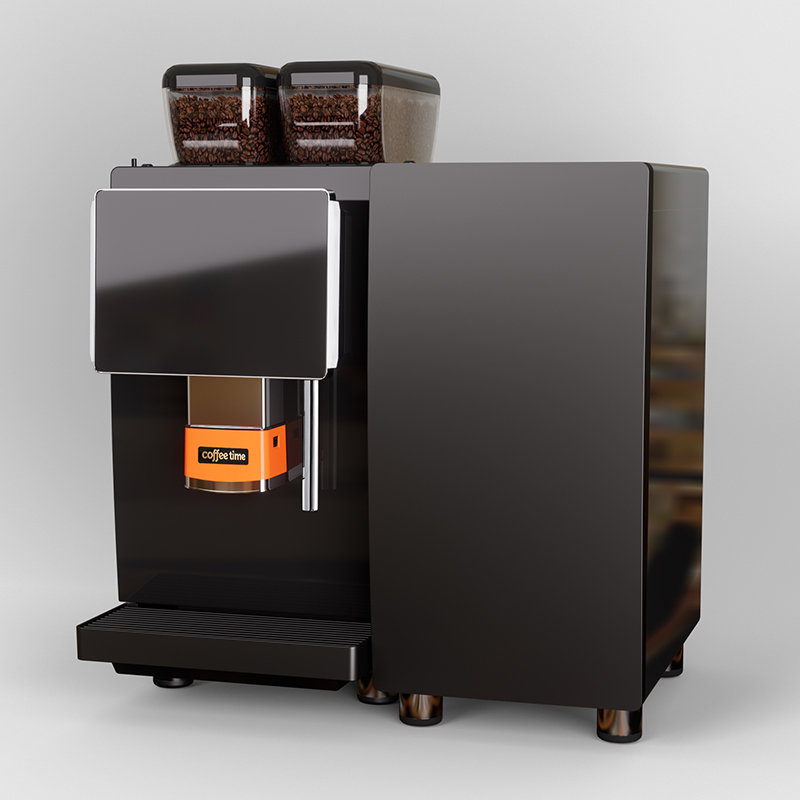
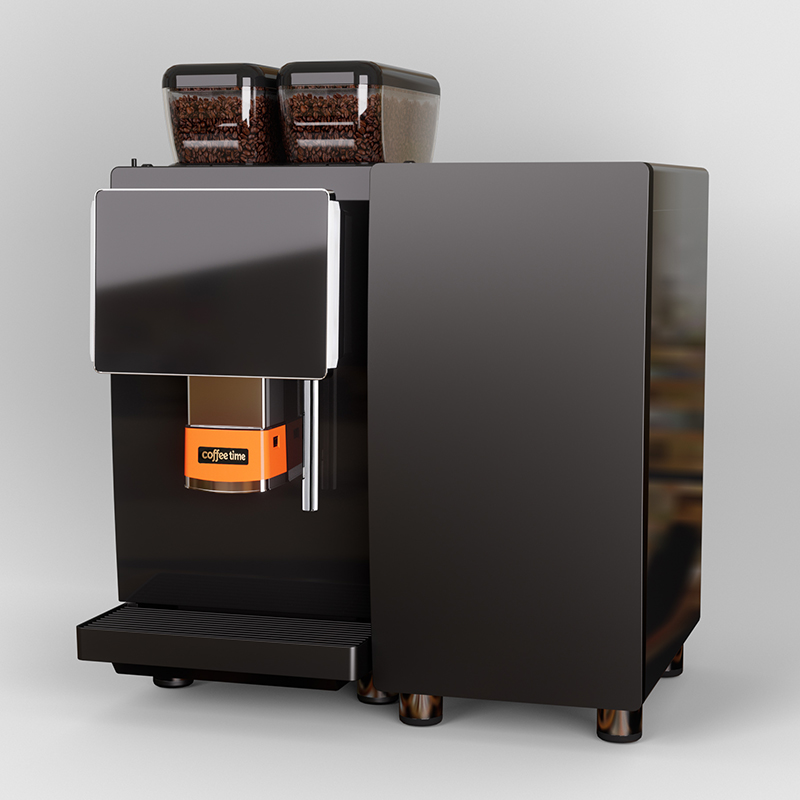
If you want your Coffeetime Intelligent Automatic Bean to Cup Coffee Machine to keep brewing great coffee, you need to clean it regularly. Clean machines deliver better flavor and help you avoid expensive repairs. Built-in auto-cleaning cycles and tool-free removable parts make cleaning easy, so you protect your investment and enjoy fresh coffee every day.
Key Takeaways
Daily cleaning is essential for great-tasting coffee. Empty and wash the drip tray and grounds container to prevent old coffee oils from ruining your brew.
Use the built-in auto-cleaning cycles regularly. These cycles help remove debris and maintain your machine's performance with minimal effort.
Descale your machine monthly to prevent mineral buildup. This keeps water flow optimal and ensures your coffee tastes fresh and delicious.
Daily & Weekly Cleaning for Bean to Cup Coffee Machine
Daily Cleaning Steps
You want your coffee to taste fresh every day, right? Daily cleaning keeps your bean to cup coffee machine running smoothly and prevents problems before they start. If you skip these steps, old coffee oils can turn rancid and ruin the flavor of your brew. Bacteria and mold love warm, damp spots like the water reservoir and tubing. Mineral scale can build up and mess with water flow, making your coffee taste flat or bitter.
Here’s what you should do each day:
Empty and Wash the Drip Tray and Grounds Container
Remove the drip tray from your machine.
Wash it with warm, soapy water.
Rinse it well.
Dry it completely before putting it back.
Do the same for the grounds container. This stops old coffee from sticking around and keeps things clean.
Wipe the Milk System or Steam Wand
Purge and wipe the steam wand right after you use it. This prevents milk buildup.
Use a damp barista towel to clean the tip.
Run steam through the wand, directing it to the drip tray, to clear any leftover milk.
If the wand is hot, grab a folded microfiber cloth to protect your hand.
For a deeper clean, remove the tip and check for dried milk. Use a needle to clear blockages.
Rinse the tip and run hot water through the wand before reattaching.
If you notice stubborn buildup, soak the wand in a cleaning solution for about 30 minutes.
Quick Clean the Touchscreen and Exterior
Wipe the touchscreen and exterior weekly, but you can spot-clean fingerprints or spills daily. This keeps your machine looking sharp and hygienic.
Use Auto-Cleaning Cycles
Coffeetime’s bean to cup coffee machine comes with built-in auto-cleaning cycles. These help remove loose debris and automate basic cleaning. Water alone won’t get rid of oily residues, so use the cleaning kit that comes with your machine for best results.
Tip: Make daily cleaning a habit. It only takes a few minutes and keeps your coffee tasting great.
Weekly Maintenance Tasks
Weekly cleaning gives your machine a deeper refresh. You tackle areas that collect residue and help prevent mold and bacteria from building up. You also keep your machine working at its best.
Here’s your weekly routine:
Rinse the Water Reservoir and Clean Removable Parts
Remove all tool-free parts, like the reservoir lid, carafe, and brew basket.
Wash these with warm, soapy water.
Focus on spots where residue builds up quickly.
Rinse the water reservoir with fresh water.
Check for Residue and Moisture
Look for coffee oils or particles in hidden spots. Wipe surfaces dry between uses. This stops moisture from collecting and keeps mold away.
Run the Built-In Cleaning Program
Use Coffeetime’s automatic cleaning program with cleaning tablets. This removes coffee oils and milk residues that can damage your machine. Built-in cleaning programs automate the process and boost performance.
Let Components Air Out
After cleaning, let parts air dry. This reduces moisture and helps prevent bacteria and mold.
Note: Weekly cleaning is your best defense against hidden buildup. It keeps your professional bean to cup coffee machine in top shape and ensures every cup tastes just right.
Deep Cleaning, Descaling & Component Care
Monthly Descaling Process
You want your coffee to taste great every time. Descaling helps you keep your machine in top shape. Over time, minerals from water build up inside your home bean to cup coffee machine. This buildup can block water flow, lower the temperature, and make your coffee taste bitter or metallic. You might notice your espresso takes longer to brew, the stream looks uneven, or the machine makes strange noises. These are signs that your machine needs descaling.
Here’s what you should do each month or when your machine tells you it’s time:
Use a descaler that Coffeetime or the manufacturer recommends. This protects the inside parts and keeps your warranty safe.
Avoid vinegar. Vinegar can damage metal and rubber parts, leave a strong smell, and even void your warranty.
Follow the instructions on the descaler package. Most machines have an auto-cleaning or descaling cycle. Use it for the best results.
Rinse the machine well after descaling to remove any leftover cleaner.
Let’s compare vinegar and commercial descalers:
Feature
Vinegar (Acetic Acid)
Commercial Espresso Descaler
Effectiveness on Limescale
Moderate
High
Corrosiveness to Metals
High risk
Low risk
Effect on Seals/Gaskets
Can cause hardening/cracking
Safe for rubber and silicone
Rinsing & Aftertaste
Hard to rinse, strong smell
Easy to rinse, no aftertaste
Warranty Impact
Voids warranty
Safe and recommended
Tip: If you live in an area with hard water, you might need to descale more often.
Cleaning Machine Components
Deep cleaning keeps your coffee tasting fresh and your machine running smoothly. You should focus on the water tank, grinder, and brewing unit.
Water Tank: Empty it every day. Once a month, soak it with a descaler solution (not vinegar), rinse it well, and let it air dry. This stops limescale and bacteria from building up.
Grinder: Remove the hopper. Use a small brush or vacuum to clear out old grounds and dust. Wipe the inside with a damp cloth. This keeps your coffee tasting clean and prevents jams.
Brewing Unit: Take out the brewing unit if your machine allows it. Rinse it under warm water. Use a soft brush to clean any stuck coffee grounds. Let it air dry before putting it back. Regular cleaning stops coffee oils from turning rancid and keeps your espresso tasting great.
When you clean these parts, you protect your machine from breakdowns and keep every cup tasting fresh.
Maintaining the Milk System
If your office bean to cup coffee machine has a milk system or steam wand, you need to clean it well. Milk can spoil quickly and cause bad smells or even blockages.
Cleaning Task
Frequency
Description
Automated Milk Clean
Daily (End of Day)
Run the machine’s milk cleaning cycle to stop residue from building up.
Deeper Maintenance
Weekly
Use a milk system cleaner for a thorough clean and better hygiene.
If you skip these steps, milk residue can spoil and affect both taste and hygiene. You might notice sour flavors or even see mold. Clean the steam wand or milk lines every day and use a special cleaner each week. This keeps your drinks safe and delicious.
Note: Always let milk parts air dry after cleaning to stop bacteria from growing.
Looking for a Reliable Commercial Coffee Machine Manufacturer & OEM/ODM Partner?
Coffee Time specializes in fully automatic commercial espresso coffee machines with over 20 years of manufacturing experience. Our product line covers W4, W5, W6 and P2000 series bean-to-cup machines, supporting fresh milk options and up to 24 drink recipes. We provide full ODM/OEM customization on structure, UI software, functional modules, appearance branding and packaging. With 100+ patents, a modern production base and global after-sales network covering 100+ countries, we serve distributors, brand wholesalers, hotel chains, convenience stores and HoReCa operators worldwide. Free samples are available (customer bears shipping cost). All products comply with CE, FCC and other international certifications.
You don’t need fancy tools to keep your machine clean, but you do need the right ones:
Use a soft brush or vacuum for the grinder.
Wash the hopper with mild detergent.
Run a grinder cleaner through the burrs every few weeks.
Clean milk lines with a milk system cleaner.
Use only descalers made for coffee machines.
Wipe the exterior with a damp microfiber cloth.
Avoid these common mistakes:
Don’t use vinegar or harsh chemicals. They can damage your machine and leave bad smells.
Don’t use cleaning pellets unless your manual says it’s safe.
Don’t use too much descaler. Follow the instructions to protect metal parts.
Pro Tip: Set reminders on your phone or calendar for daily, weekly, and monthly cleaning. A simple schedule helps you stay on track and keeps your coffee tasting its best.
Regular deep cleaning and descaling protect your machine from limescale, bacteria, and breakdowns. You get better-tasting coffee and a longer-lasting machine. Make cleaning part of your coffee routine, and your Coffeetime bean to cup coffee machine will reward you with every cup.
You keep your bean to cup coffee machine running smoothly when you stick to daily and weekly cleaning routines. Coffeetime’s auto-cleaning cycles and tool-free parts make maintenance simple. Regular cleaning protects flavor, prevents repairs, and extends your machine’s life.
Prevents biofilm buildup and mechanical failure
Maintains optimal water flow and temperature
Reduces the need for repairs Stay consistent, and every cup will taste fresh and rich.
FAQ
How often should you clean the brewing unit?
You should clean the brewing unit once a week. This keeps your coffee tasting fresh and helps your machine work better.
Can you use regular dish soap for cleaning parts?
Yes, you can use mild dish soap for most removable parts. Rinse everything well to avoid any soapy taste in your coffee.
What should you do if the milk system smells bad?
Run the milk cleaning cycle right away. Wash all milk parts with a milk system cleaner. Let everything air dry before using the machine again.