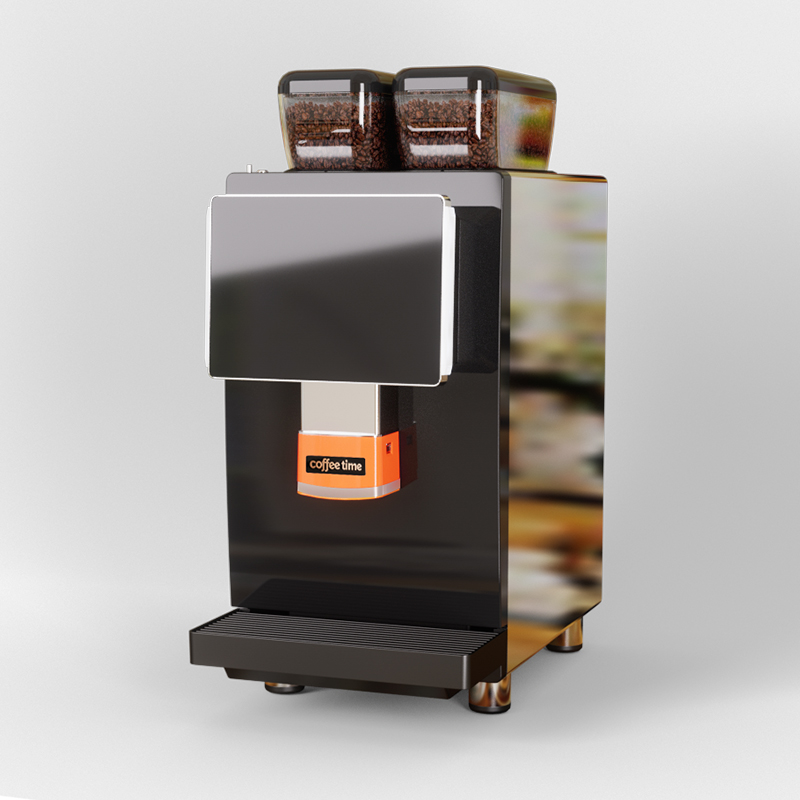
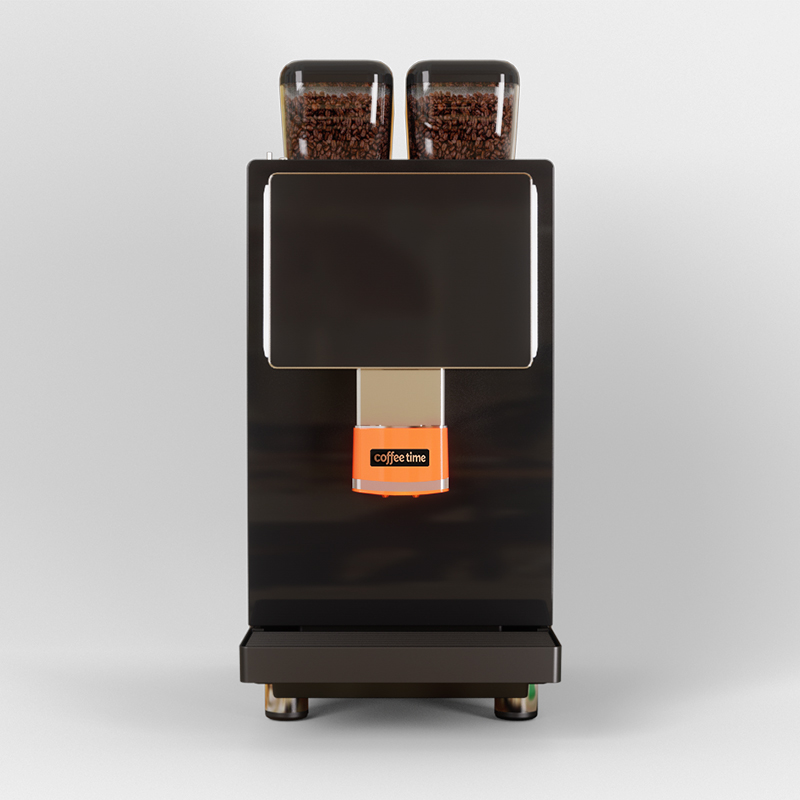
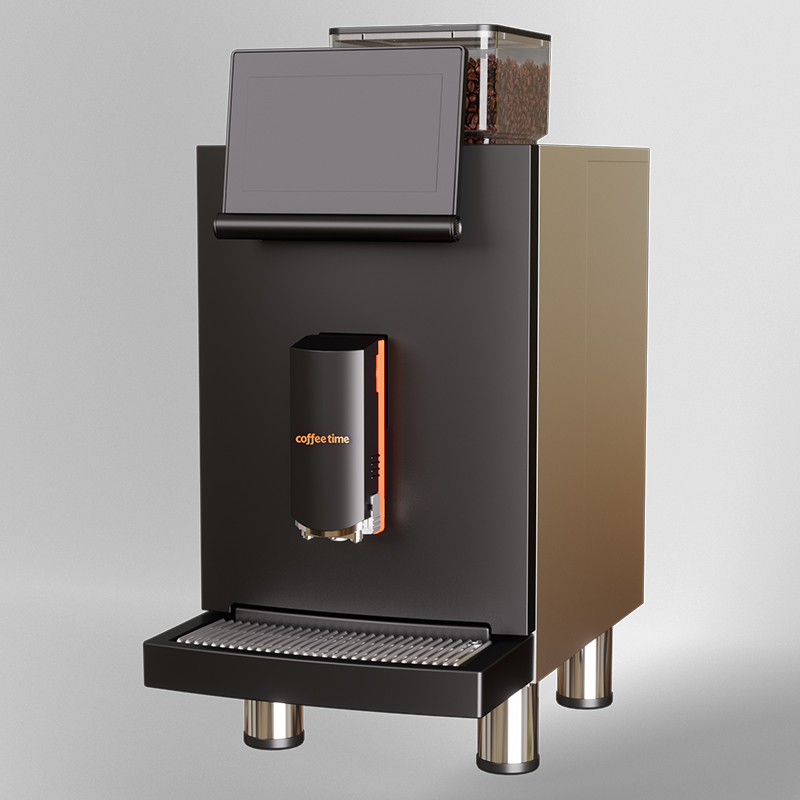
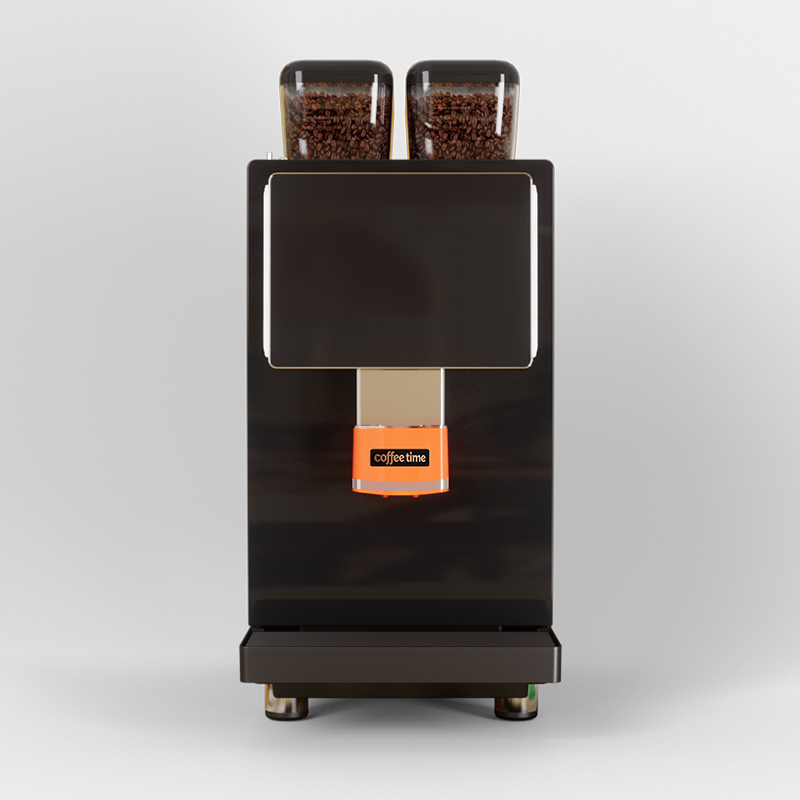
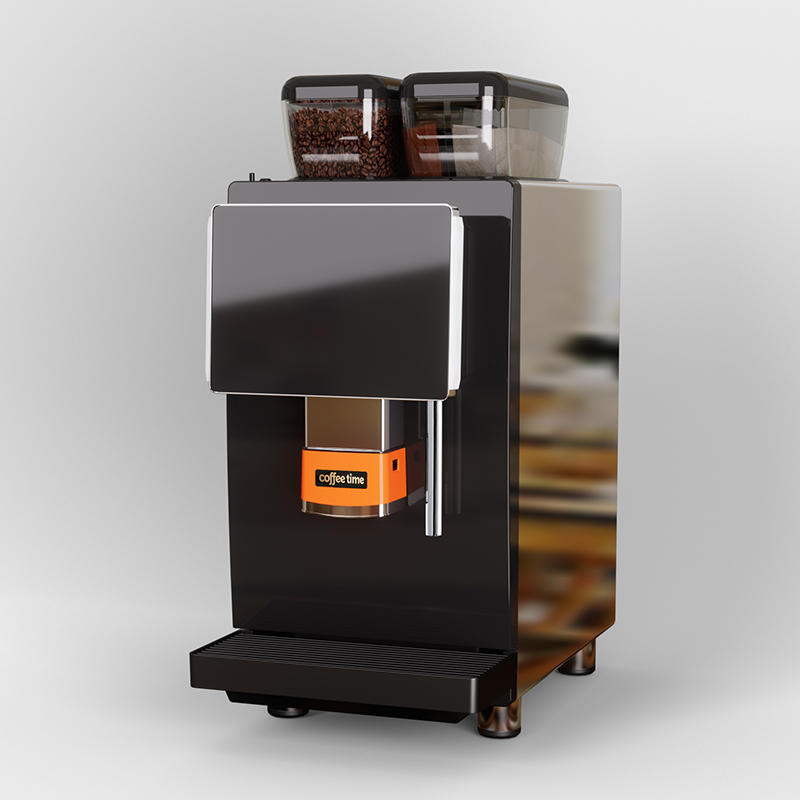
When you clean espresso machine equipment every day, you protect both your coffee’s taste and your investment. A dirty machine can make your espresso taste bitter or sour. You also risk mechanical problems and blocked pipes. The Coffee Time espresso coffee machine helps you avoid these issues. Its removable parts and automatic cleaning functions make upkeep simple. In busy places, a cleaning routine keeps your drinks fresh and your machine running strong.
Fresh flavor stays consistent.
Water pressure and temperature stay optimal.
Mechanical parts last longer.
Key Takeaways
Regular cleaning protects your espresso's flavor and prevents mechanical issues.
Use the right tools, like brushes and descaling solutions, to maintain your machine effectively.
Daily cleaning routines take only five minutes and keep your machine in top shape.
Follow a weekly and monthly maintenance schedule to ensure long-lasting performance.
Avoid common mistakes, like using vinegar, to keep your espresso machine safe and functional.
Cleaning tools and supplies
Keeping your Coffee Time espresso machine clean starts with the right tools and supplies. You need to use items that remove coffee oils, mineral deposits, and bacteria. The espresso coffee machine for home makes this process easier with removable parts and an automatic cleaning function. The alarm system reminds you when maintenance is due, so you never miss a cleaning session.
Brushes and cloths
You should use a cleaning brush to scrub the shower screen and brew head. This tool helps keep water flowing evenly during brewing. Soft cloths wipe down the exterior and drip tray, removing spills and fingerprints. Brushes reach tight spaces, while cloths polish surfaces for a professional look.
Tip: Use a dedicated brush for the group head to avoid cross-contamination.
Descaling solution
Descaling solution removes mineral buildup inside the machine. Calcium and magnesium deposits form on boilers, heating elements, and pipes. If you let limescale build up, the heating system works harder and may fail. Routine descaling protects your investment and keeps your espresso tasting fresh.
Descaling prevents burned-out heating elements and damaged boilers.
It keeps water flow and heat transfer optimal.
It extends the lifespan of your machine.
Backflush detergent
Backflush detergents like Urnex Cafiza and Pallo JoeGlo clean away coffee oils and residues. You add a small amount to the backflush disc and run the pump. This process removes buildup from screens and filter baskets. Low-foaming detergents work quickly and leave no residue.
Cafiza powder removes coffee oils and lime scale.
JoeGlo detergent acts fast and cleans metal parts.
Removable parts
You should clean removable parts, such as the grinder, brewing unit, and bean hopper, every week. Daily cleaning after each brewing session prevents bacteria growth. If you do not use the machine for a week, empty the water tank to avoid stagnant water.
Part
Cleaning Frequency
Grinder
Weekly
Brewing Unit
Weekly
Bean Hopper
Weekly
Water Tank
After long breaks
The Coffee Time machine’s automatic cleaning function and alarm system help you stay on schedule. You keep your machine running smoothly and your coffee tasting great.
How to clean espresso machine daily
Daily cleaning keeps your commercial automatic espresso machine in top shape. You protect flavor, maintain hygiene, and extend the life of your equipment. Most daily routines take about five minutes, making them easy to fit into your busy schedule. High-volume shops benefit from daily cleaning, but even in quieter settings, this habit prevents problems before they start.
Portafilter and basket
You use the portafilter and basket for every shot. Coffee oils and grounds stick to these parts, so you need to clean them after each use.
Remove the portafilter and basket from the group head.
Rinse both under hot water.
Scrub with a dedicated brush to remove old coffee particles.
Dry with a clean cloth before reassembling.
Tip: Old coffee particles can mix with fresh grounds and ruin the taste of your espresso. Clean these parts thoroughly to avoid contaminated flavors.
Group head
The group head is where water meets coffee. Keeping it clean ensures consistent extraction and prevents blockages.
Purge the group head by running water through it for 2–3 seconds after removing the portafilter.
Use a damp cloth to wipe around the rubber gasket.
Scrub the shower screen from below with a group head brush.
You avoid mineral buildup and keep water flowing smoothly. This step helps regulate temperature and prevents inconsistent shots.
Steam wand
Milk residue builds up quickly on the steam wand. Bacteria thrive in warm milk, so you must clean the wand after every drink.
Purge the steam wand immediately after steaming milk.
Wipe the wand with a damp cloth to remove milk crust.
Repeat these steps after each use.
Regular cleaning prevents health hazards and keeps the wand hygienic. You avoid bacterial growth and ensure safe drinks for your customers.
Drip tray and exterior
Spills and coffee grounds collect in the drip tray and on the machine’s exterior. Cleaning these areas keeps your workspace tidy and prevents mold.
Remove the drip tray, empty it, and rinse thoroughly.
Wipe away any grounds or residue.
Use a damp microfiber cloth to clean the exterior surfaces and surrounding area.
Area
Action
Frequency
Drip Tray
Empty and rinse
Daily
Exterior
Wipe with cloth
Daily
You maintain hygiene standards and present a professional appearance. Clean espresso machine equipment attracts customers and keeps your drinks tasting fresh.
Note: Daily cleaning prevents common mistakes like mineral buildup and old coffee residue. These issues can affect water flow, temperature, and flavor.
Weekly and deep cleaning routine
You need to follow a weekly and deep cleaning routine to keep your commercial espresso machine running smoothly. High-volume environments demand extra attention. Coffee oils, milk residue, and old grounds build up quickly. These contaminants cause bitter flavors and block important pathways. You protect your customers and your machine when you clean espresso machine equipment thoroughly each week.
Backflushing
Backflushing removes coffee oils and residue from the group head and internal passageways. You should use a specialized detergent like CAFIZA for this process. Follow these steps for effective backflushing:
Swap your portafilter basket for a backflush disc after brewing for the day.
Add about 2 grams of cleaning powder to the backflush disc.
Lock the portafilter into the group head.
Start the pump for 10 seconds, then stop and release pressure.
Repeat this cycle 5-6 times until water runs clear.
Rinse with water 3-4 times to remove detergent residue.
Pull a blank shot to ensure all cleaning solution is gone.
Tip: Backflushing keeps solenoid valves and internal passageways free from coffee oils. You prevent blockages and maintain consistent extraction.
Soaking removable parts
Removable parts like portafilters, filter baskets, and the shower screen need a deep soak every week. The Coffee Time Fully Automatic Commercial Espresso Coffee Machine makes this easy with its removable grinder, brewing unit, and bean hopper.
Rinse portafilters and filter baskets with hot water and a small amount of espresso cleaner.
Let these parts soak briefly to release oils from the metal.
Remove the shower screen and soak it in CAFIZA water for 30 minutes.
Scrub the shower screen with a brush to eliminate any remaining oils and solids.
Part
Soaking Time
Cleaning Solution
Portafilter
10 min
Espresso cleaner
Filter Basket
10 min
Espresso cleaner
Shower Screen
30 min
CAFIZA water
You improve espresso pouring and enhance the richness of each cup. Soaking ensures that embedded oils and solids do not affect flavor or machine performance.
Water reservoir
The water reservoir collects minerals and bacteria over time. You need to clean it weekly, especially in high-traffic settings.
Remove the water reservoir from the machine.
Empty any remaining water.
Wash the reservoir with warm water and mild detergent.
Rinse thoroughly to remove all soap.
Dry completely before reinstalling.
Note: If you do not use the machine for several days, empty the water tank to avoid stagnant water and bacteria growth.
You keep your machine safe and your drinks tasting fresh. Regular cleaning of the water reservoir prevents mineral buildup and protects the heating system.
Callout: The Coffee Time machine’s removable components make deep cleaning simple. You save time and ensure every part stays hygienic.
You maintain a clean espresso machine and deliver high-quality beverages to your customers. Weekly and deep cleaning routines protect your investment and keep your coffee service reliable.
Monthly maintenance and descaling
Monthly maintenance helps you keep your Coffee Time Fully Automatic Commercial Espresso Coffee Machine running at its best. You need to focus on deep cleaning and checking internal parts that daily routines might miss. Industry standards recommend spending 20–30 minutes each month on this task. You protect your machine and your coffee quality when you follow these steps.
Descale process
Descaling removes mineral deposits that build up inside your espresso machine. Hard water leaves calcium and magnesium behind, which can block pipes and reduce heating efficiency. You should use the manufacturer’s recommended descaler for the Coffee Time machine. Make sure the descaler is safe for espresso machines and check compatibility if your machine has an aluminum boiler.
Steps for descaling:
Turn off the machine and let it cool.
Remove the water reservoir and fill it with the descaling solution.
Run the descaling cycle as instructed by Coffee Time.
Flush the system with fresh water to remove any residue.
Tip: Descale every one to three months, depending on water hardness and usage. Signs you need to descale include slower extraction and visible mineral buildup.
Looking for a Reliable Commercial Coffee Machine Manufacturer & OEM/ODM Partner?
Coffee Time specializes in fully automatic commercial espresso coffee machines with over 20 years of manufacturing experience. Our product line covers W4, W5, W6 and P2000 series bean-to-cup machines, supporting fresh milk options and up to 24 drink recipes. We provide full ODM/OEM customization on structure, UI software, functional modules, appearance branding and packaging. With 100+ patents, a modern production base and global after-sales network covering 100+ countries, we serve distributors, brand wholesalers, hotel chains, convenience stores and HoReCa operators worldwide. Free samples are available (customer bears shipping cost). All products comply with CE, FCC and other international certifications.
Mineral buildup can cause flavor changes, temperature drops, and pressure fluctuations. If you ignore this problem, internal parts may overheat and scale can block pipes. You should check for signs of buildup each month.
Look for white or chalky deposits in the water reservoir and around the group head.
Notice if your espresso tastes inconsistent or if the machine takes longer to heat up.
Inspect internal pathways if possible.
Callout: Regular descaling prevents expensive repairs and keeps your clean espresso machine working smoothly.
Inspect gaskets and seals
Gaskets and seals keep water from leaking and maintain pressure. You need to inspect these parts monthly for cracks, hardness, or leaks. If you see signs of wear, replace them to avoid bigger problems.
Maintenance Frequency
Inspection Details
Signs of Wear
Monthly
Check group head gaskets for cracks/leaks
Cracks, hardness, leaking
12-18 months
Replace gaskets if leaks or locking issues
Leaks, hard to lock in portafilter
You keep your machine safe and your drinks tasting great when you pay attention to these details. Monthly maintenance ensures your Coffee Time espresso machine stays reliable and delivers high-quality beverages.
Tips and troubleshooting
Avoiding mistakes
You can keep your espresso machine in top condition by avoiding common cleaning mistakes. Always empty the drip tray and water tank before starting any cleaning process. Remove the charcoal water filter from the tank before adding descaling solution. The filter should not touch the cleaning agent. Use only the recommended descaling solution and follow the instructions for the correct ratio. Never use white vinegar, as it can damage rubber seals and aluminum parts inside your machine.
It may seem easy to use vinegar for cleaning, but this can harm your espresso machine. Vinegar’s acid can break down important seals and cause leaks.
Replace the water filter every two months or after every 40 liters of water. Clean the grinder burrs each month to prevent old coffee oils from changing the taste. Check and clean the group head seal to stop leaks during brewing.
Signs of cleaning issues
Watch for these signs that your machine needs attention:
Espresso tastes bitter or sour.
Water flow slows down or stops.
Steam wand does not froth milk well.
You see white or chalky deposits in the water tank.
The machine’s alarm or cleaning reminder activates.
The Coffee Time Fully Automatic Commercial Espresso Coffee Machine helps you stay on track. Its automatic alarm and cleaning reminders let you know when it is time for maintenance. This keeps your drinks tasting fresh and your machine running smoothly.
Feature
Benefit
Monthly descaling cycle
Prevents mineral buildup and repairs
Calendar reminders for deep cleaning
Ensures cleaning is never forgotten
Daily resets and cleaning
Stops residue buildup and keeps performance
Clean machine, better coffee
Protects equipment and flavor
Post-cleaning problems
If you notice problems after cleaning, try these steps:
Rinse all parts with fresh water to remove leftover cleaner.
Check that you reassembled all removable parts correctly.
Run a blank shot to flush out any residue.
Make sure the water tank and drip tray are in place.
If the machine still shows an error or the taste is off, repeat the rinse cycle. The Coffee Time machine’s alarm system will alert you if something needs more attention. You can keep your espresso machine working well by following these tips.
You protect your investment when you clean espresso machine equipment on a regular schedule. Routine care prevents bitter flavors, uneven grinds, and costly repairs.
Old oils change the taste of your coffee.
Clogged burrs ruin espresso extractions.
Residue shortens equipment life and raises costs.
Coffee Time’s automatic cleaning and removable parts make upkeep simple. Consistent cleaning keeps your drinks fresh and your machine reliable. Clean water and frequent rinsing also improve beverage quality and machine performance.
FAQ
How often should you clean the espresso machine?
You should clean the machine daily. Wipe the exterior, rinse the portafilter, and empty the drip tray. Run the automatic cleaning cycle as needed. Deep clean and descale every month for best results.
What cleaning products are safe to use?
Use only espresso machine cleaners and descaling solutions made for commercial machines. Avoid vinegar or harsh chemicals. Check the Coffee Time manual for approved products.
Can you use the automatic cleaning function every day?
Yes, you can use the automatic cleaning function daily. This feature helps you remove coffee oils and residue quickly. It keeps your machine in top condition with little effort.
What should you do if the cleaning alarm goes off?
The cleaning alarm reminds you to start a cleaning cycle. Follow the on-screen instructions. Make sure you use the right cleaning solution and rinse all parts well.
Why does your espresso taste bitter after cleaning?
Sometimes, leftover cleaning solution can affect taste. Run a blank shot with fresh water. Rinse all parts again. Your espresso should taste normal after this step.