





How to descale an espresso coffee machine
Espresso coffee machines are beloved appliances for coffee enthusiasts, delivering rich, aromatic shots of espresso with the press of a button. However, like all appliances that interact with water, they are prone to mineral buildup over time. This buildup, known as limescale, forms when minerals like calcium and magnesium in tap water accumulate inside the machine’s boiler, heating element, and pipes. If left untreated, limescale can clog internal components, reduce heating efficiency, and even damage your espresso coffee machine permanently. Regular descaling is essential to maintain optimal performance, extend the lifespan of your machine, and ensure every cup of espresso tastes as fresh as possible. In this guide, we’ll explore step-by-step methods to descale your espresso coffee machine, key precautions to follow, and why this maintenance task should never be overlooked.
How to Descale Your Espresso Coffee Machine
Descaling an espresso coffee machine involves using a specialized solution or natural ingredients to dissolve mineral deposits. The process varies slightly depending on the machine’s design (e.g., manual, semi-automatic, or super-automatic), but the general steps remain consistent. Here’s a detailed breakdown:
1.Prepare Your Machine and Descaling Solution
Before starting, consult your espresso coffee machine’s manual. Some manufacturers provide specific descaling instructions or recommend proprietary solutions. If no guidance is available, you can use a commercial descaling product (e.g., Urnex Dezcal or Durgol) or a homemade mixture of equal parts water and white vinegar.
For commercial descalers: Follow the package instructions for dilution ratios. Typically, 1–2 ounces of solution per liter of water is sufficient.
For vinegar-based solutions: Mix 50% water and 50% white vinegar in a container. Avoid using apple cider vinegar, as its residue may be harder to rinse.
2.Empty the Machine and Remove Removable Parts
Turn off and unplug your espresso coffee machine. Remove the portafilter, drip tray, water reservoir, and any other detachable components. Wash these parts with warm, soapy water to remove coffee oils and debris. Set them aside to dry while you descale the internal components.
3.Run the Descaling Solution Through the Machine
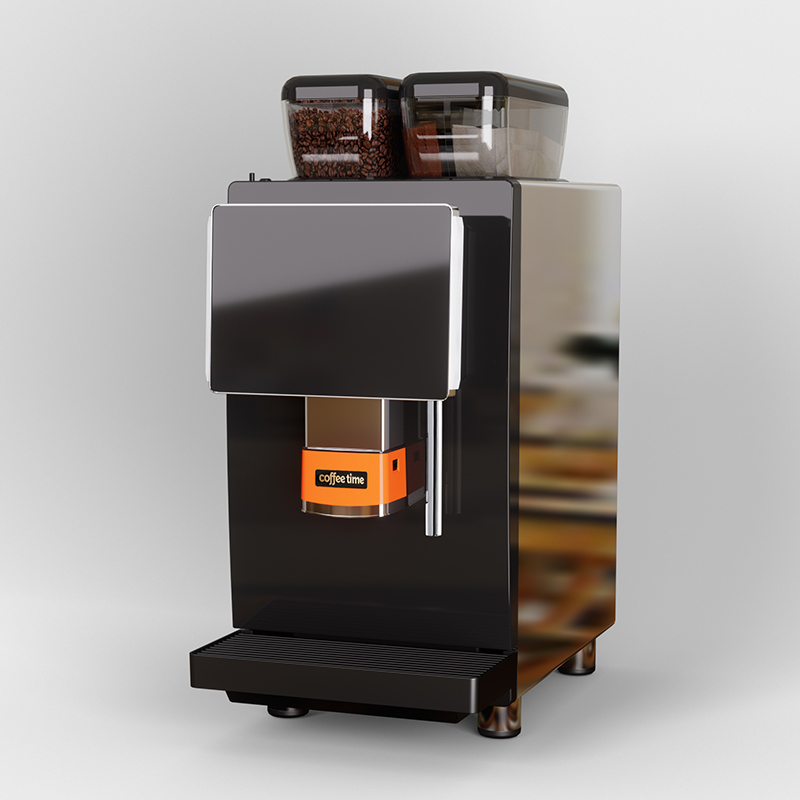
Fill the water reservoir with your prepared descaling solution. Place a large container under the group head (where the portafilter attaches) and the steam wand to catch the liquid.
Step 1: Turn on the machine and activate the pump to run the solution through the group head. Allow half of the reservoir’s contents to flow through, then pause for 5–10 minutes to let the solution dissolve limescale.
Step 2: Repeat the process with the remaining solution. For super-automatic machines, use the built-in descaling cycle if available.
Step 3: Direct the solution through the steam wand by opening the steam valve. This cleans the internal steam boiler and pipes.
4.Rinse Thoroughly with Fresh Water
After descaling, discard the used solution and rinse the water reservoir thoroughly. Refill it with clean water and run multiple cycles through the group head and steam wand to flush out any residual descaling agent. Repeat until the water tastes and smells neutral (no vinegar or chemical odor).
5.Clean and Reassemble the Machine
Wipe the exterior of the espresso coffee machine with a damp cloth. Reattach all removable parts, ensuring they’re completely dry to prevent mold growth. Run a test shot of espresso (without coffee grounds) to check for proper flow and temperature.
Key Precautions When Descaling an Espresso Coffee Machine
Descaling is straightforward, but mishaps can damage your machine. Keep these safety tips in mind:
1.Never Use Undiluted Vinegar or Acidic Cleaners
Full-strength vinegar can corrode internal rubber gaskets and seals, leading to leaks. Always dilute it as recommended.
2.Avoid Descale Products Containing Chlorine or Bleach
These chemicals can degrade plastic components and leave harmful residues in your coffee.
3.Do Not Skip the Rinsing Phase
Residual descaling solution can alter the taste of your espresso and harm your health. Rinse until the water runs clear.
4.Descale Regularly, But Not Excessively
The frequency depends on water hardness and usage. Soft water areas may need descaling every 3–6 months, while hard water areas may require monthly treatment. Over-descaling can strip protective coatings from metal parts.
5.Protect Delicate Components
If your espresso coffee machine has a digital display or electronic sensors, avoid splashing descaling solution onto these areas. Use a damp cloth to clean around them instead.
6.Never Descale a Hot Machine
Allow the machine to cool completely before descaling to prevent thermal shock, which could crack the boiler or portafilter.
Conclusion: The Importance of Descaling Your Espresso Coffee Machine
Regular descaling is a small but critical task to ensure your espresso coffee machine operates at peak performance. By removing limescale, you preserve heating efficiency, prevent clogs, and safeguard the machine’s internal components from corrosion. Whether you own a budget-friendly manual model or a high-end super-automatic, neglecting descaling can lead to costly repairs or premature replacement.
Incorporate descaling into your routine maintenance schedule, and always follow manufacturer guidelines to avoid voiding warranties. With proper care, your espresso coffee machine will continue producing barista-quality shots for years to come, ensuring every cup is a testament to the machine’s precision and your dedication to coffee excellence.
By dedicating just 30 minutes every few months to descaling, you’ll protect your investment and enjoy the perfect espresso experience—one that’s free from bitter, off-flavors caused by mineral buildup. Happy brewing!
Please Contact Us!
Recommended Products
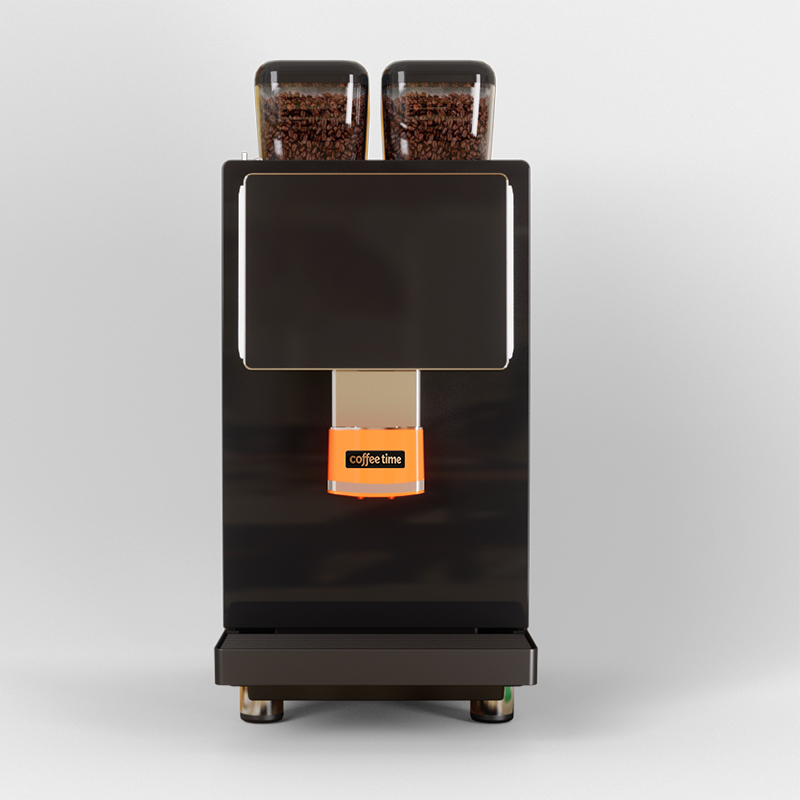
Automatic Fresh Grinding Coffee Machine
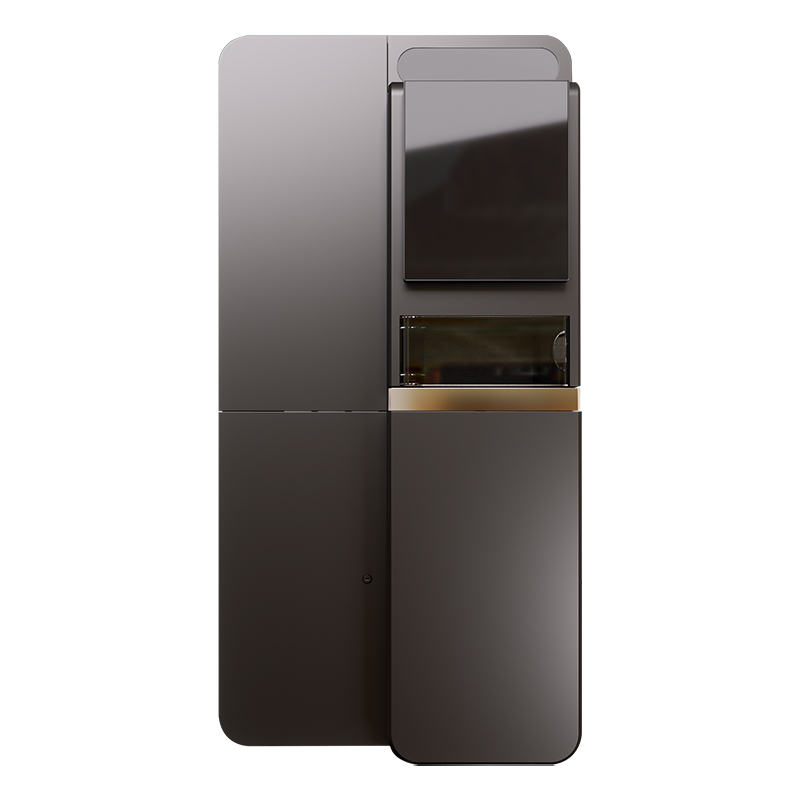
Intelligent Iced & Hot Bean to Cup Coffee Vending Machine
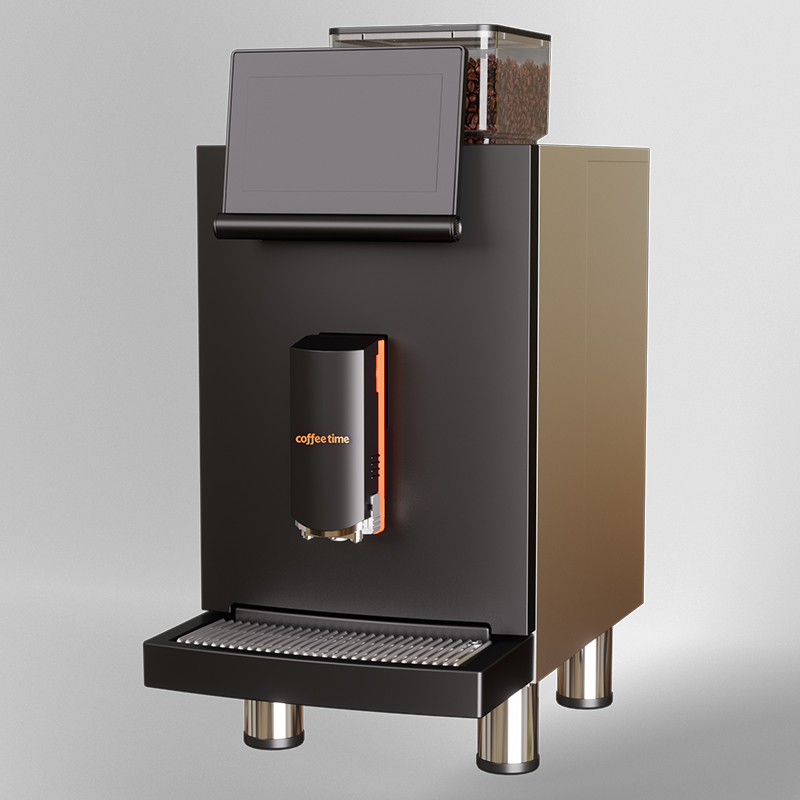
Intelligent Compact Espresso Coffee Machine
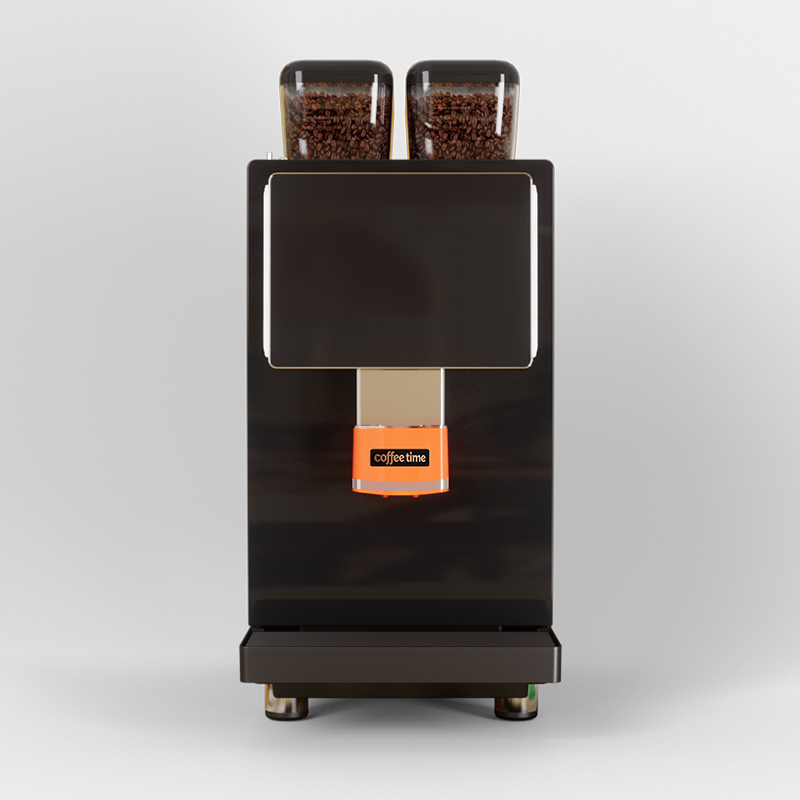
Fully Automatic Commercial Espresso Coffee Machine
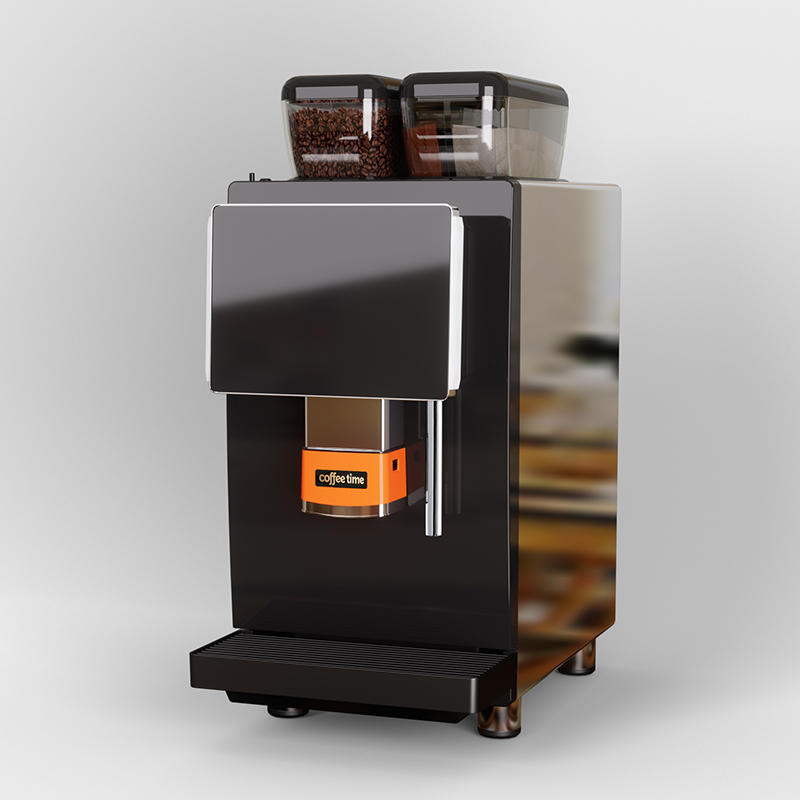
Intelligent Espresso Coffee Machine
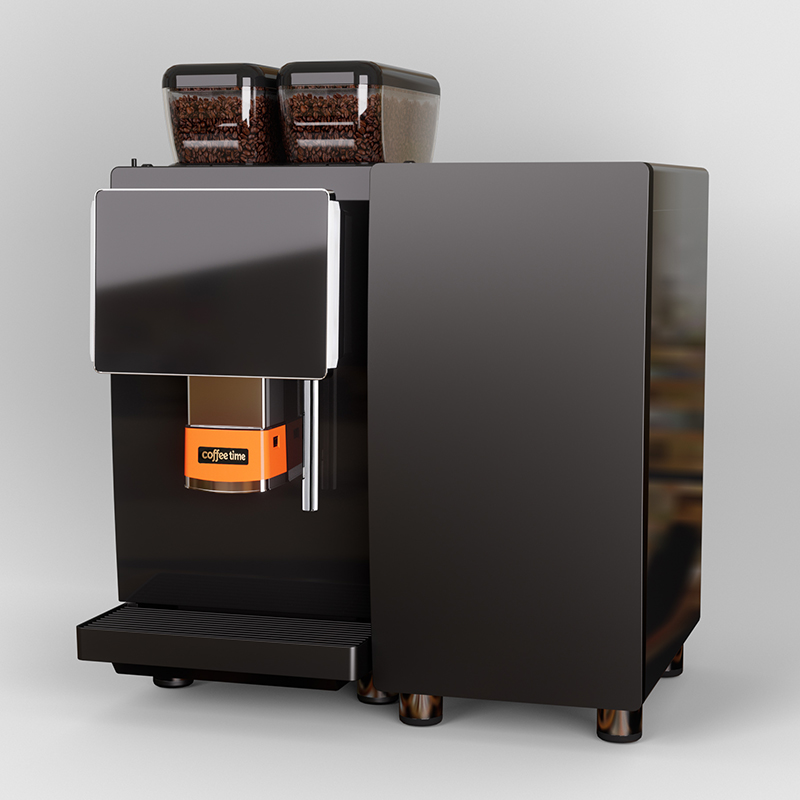
Intelligent Automatic Bean to Cup Coffee Machine
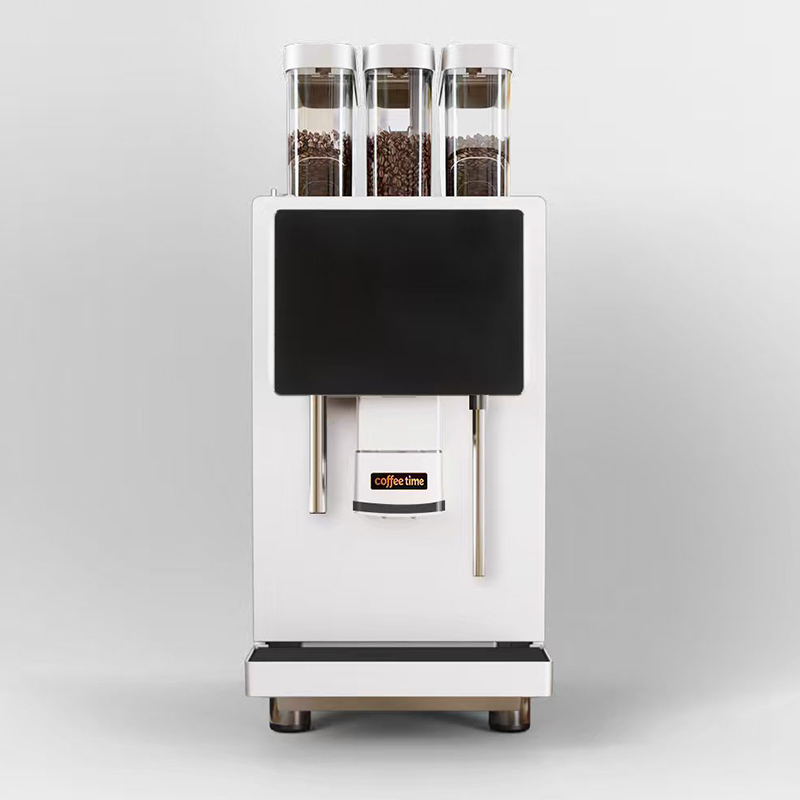
Automatic Coffee Cup Machine for Business

