Bean to cup machines can make good espresso if you know what you want from your coffee. Modern models use smart systems that control water temperature, pressure, and even grind size. You get a shot that stays consistent every time, no matter who pushes the button. If you value speed and simplicity, a bean to coffee espresso machine might fit your lifestyle. Some people want more control and hands-on brewing, but many just love the convenience these machines offer.
Key Takeaways
Bean to cup machines offer convenience by grinding beans and brewing coffee with just one touch.
Modern machines use smart technology to control grind size, water temperature, and pressure for consistent espresso.
For the best espresso, focus on using fresh beans, adjusting grind size, and maintaining your machine.
These machines are ideal for busy users who want quick, quality coffee without needing barista skills.
Consider features like dual boilers and programmable settings to enhance your espresso experience.
What Is a Bean to Cup Machine
How It Works
A bean to cup machine takes whole coffee beans and turns them into a fresh cup of coffee with just one touch. You do not need to grind beans or measure anything by hand. The machine does all the work for you. You pour beans into the hopper, fill the water tank, and choose your drink on the screen. The machine grinds the beans, heats the water, and brews your coffee right away.
You might wonder what makes these machines so smart. Here’s a quick look at the main parts and what they do:
Component
Function
Grinder
Unlocks flavor and aroma from coffee beans, ensuring consistent particle size for balanced brewing.
Dual Bean Hoppers
Lets you use two types of beans, so you can switch flavors or keep everyone happy.
Advanced Frothing Systems
Makes silky, textured milk for lattes and cappuccinos, just like a café.
User Interface
Makes it easy to pick your drink and adjust settings, even if you’re new to coffee machines.
Many machines, like a bean to coffee espresso machine, also have automatic cleaning cycles. You get reminders when it’s time to clean, so you don’t have to guess. With regular care, these machines can last five to ten years, which is great for home or office use.
Differences from Other Coffee Makers
You might ask, “How is this different from other coffee makers?” The answer comes down to automation and control. Here’s a simple table to show you how a bean to cup machine compares to a traditional espresso machine:
Feature/Process
Bean-to-Cup Machine
Traditional Espresso Machine
Grinding Method
Automated grinding of beans
Manual grinding or pre-ground coffee
Brewing Process
Fully automated, one-touch operation
Manual operation, many steps
Pressure Generation
Depends on machine settings and beans
Consistent pressure from pump
Milk Frothing
Built-in system, slower
Dedicated steam wand, faster
Temperature Recovery
Instant with thermoblock heating
Slower in single boiler systems
You get more convenience and less mess with a bean to cup machine. You do not need barista skills to make a tasty espresso. You just press a button and enjoy your drink. If you want to try different beans or recipes, you can do that too. The machine gives you options without making things complicated.
Espresso Quality Factors
What Makes Good Espresso
You might wonder what separates a great espresso from an average one. Baristas pay close attention to a few key factors. If you want to make espresso that tastes rich and smooth, you need to focus on these basics:
Factor
Description
Grind Size
Adjust the grind based on your beans. Finer for light roasts, coarser for dark roasts.
Brew Temperature
Small changes in temperature can change the taste and texture of your espresso.
Bean Freshness
Use beans within 2-4 weeks of roasting for the best flavor and aroma.
Equipment Maintenance
Clean and pre-heat your machine to keep every shot tasting fresh and balanced.
You can also follow these simple tips to get better results:
Use fresh beans and check the roast date.
Warm up your machine before brewing.
Adjust your grind and taste your espresso often.
Grind size is the main way you control how water moves through the coffee. If the grind is too fine, water moves slowly and the espresso can taste bitter. If the grind is too coarse, water moves too fast and the shot can taste weak or sour. You want to find the sweet spot for your beans.
There is no single perfect temperature for espresso. Some beans taste better a little hotter, while others shine at a lower temperature. Try small changes and see what you like best.
How Bean to Cup Machines Perform
You might ask, "Can a bean to coffee espresso machine handle all these details for me?" The answer is yes, to a large extent. Modern machines use smart technology to manage grind size, water temperature, and pressure. You get a consistent shot every time, even if you do not have barista training.
Many bean to coffee espresso machines offer features like pre-infusion. This means the machine wets the coffee puck with low pressure before brewing. Pre-infusion helps water spread evenly and improves the taste of your espresso.
Pre-infusion is a gentle soak at the start of brewing. It helps the coffee extract more evenly, so you get a balanced shot with better flavor.
Some machines let you adjust pressure and temperature, but most focus on making things simple. You do not need to worry about dialing in every detail. The machine does the hard work for you.
Here’s how bean to cup machines compare to traditional espresso machines in taste tests:
Feature
Traditional Espresso Machine
Bean to Cup Machine
Quality Ceiling
Higher
Lower
Grind Consistency
Adjustable
Limited
Dose Precision
Adjustable
Limited
Water Temperature Stability
Adjustable
Fixed
Flavor Nuance
High
Lower
User Skill Requirement
Higher
Lower
You get more consistency and less guesswork with a bean to coffee espresso machine. You might not reach the absolute highest level of flavor, but you get a tasty espresso with almost no effort. For most people, that’s a great trade-off.
Modern machines let you enjoy espresso at home or in the office without needing special skills. You can focus on enjoying your coffee instead of worrying about every step.
Bean to Cup vs. Traditional
Taste and Crema
When you sip espresso, you notice the taste and the crema first. If you use a traditional espresso machine, you get a bold, intense shot with a thick layer of crema. Many coffee competitions judge espresso by these qualities. A bean to coffee espresso machine gives you a different experience. Here’s what you might notice:
The taste is usually less intense and has a lighter body.
The crema is thinner but still present.
If you switch from pod coffee, you may find the flavor familiar and satisfying.
Some people actually prefer the smoother, less powerful taste from bean to cup machines.
You might not get the same punch as a café-style espresso, but you still enjoy a rich, aromatic cup.
Convenience and Consistency
You want your coffee fast, especially in the morning. Bean to cup machines shine here. You press a button, and the machine grinds, tamps, and brews for you. You get the same result every time. Traditional espresso machines need more steps. You grind the beans, tamp the coffee, and watch the shot. This takes practice and time. If you want speed and no fuss, a bean to coffee espresso machine fits your routine.
Tip: If you have guests or a busy office, bean to cup machines keep everyone happy with quick, repeatable results.
Control Over Brewing
You might wonder how much control you have over your coffee. Here’s a quick look:
Machine Type
Control Level
Features
Bean to Cup Machines
Minimal control; fully automatic with single-button operation
Executes grinding, dosing, tamping, extraction, and waste disposal automatically
Traditional Espresso
Varies; manual and semi-automatic offer more control
Users can adjust pressure, temperature, and timing based on personal preference and skill
Bean to cup machines handle all brewing steps for you.
Traditional machines let you adjust every detail if you want.
If you love experimenting with grind size, pressure, and timing, you might enjoy a traditional setup. If you want great coffee with no guesswork, bean to cup makes life easy.
Key Features for Espresso
Grinder and Pressure
You want your espresso to taste rich and smooth. The grinder and pressure system play a big role. A good grinder unlocks the flavor in your beans. Experts say that a premium grinder matters more than the espresso machine itself. Look for machines with larger burrs and strong motors. These features help you get a fine, even grind every time.
Grinder Type
Recommended Features
Entry-Level (under $500)
Turin DF64 Gen 2, Eureka Mignon Silenzio, Baratza Sette 270
Mid-Range ($500–$900)
DF83, Eureka Specialita, Baratza Vario+
Premium ($1,000+)
Acaia Orbit, Eureka Atom 75 W
Burr Size and Motor Power
Larger burrs (64mm–83mm), 250W+ motor
Importance of Grinder
Premium grinder is more crucial than high-end machine
Pressure matters too. Most bean to coffee espresso machines use pumps to push hot water through the coffee. Rotary pumps are quieter and give you steady pressure. This helps you get a balanced shot with a nice crema.
Temperature Control
You want your espresso hot, but not burnt. The best machines use smart thermal systems to keep water at the right temperature. Some models have dual boilers. This means you can brew espresso and steam milk at the same time. You do not have to wait between drinks. Consistent temperature makes every shot taste just right.
Tip: Machines with independent thermal systems give you more control and better results, especially if you make lots of coffee.
Milk Frothing Options
If you love lattes or cappuccinos, you need good milk frothing. Many machines have automatic frothers. You just press a button and get silky, textured milk. Some models let you use a steam wand for more control. You can make foam just the way you like it. Look for machines with easy-to-clean frothing systems. This saves you time and keeps your drinks tasting fresh.
Customization
You might want to tweak your espresso to match your taste. Leading machines offer lots of options. You can adjust grind size, dose, and temperature. Some even have built-in scales for perfect measurements. Touchscreen controls make it easy to choose your drink and save your favorite recipes.
Feature
Description
Dual Boiler Systems
Brew and steam at the same time for faster drinks
Integrated Grinders
Keep beans fresh and reduce clutter
Built-in Precision Scales
Track dose and yield for accuracy
Rotary Pump Technology
Quiet, steady pressure for better espresso
Smart Interfaces
Touchscreens and guided steps for easy use
A bean to coffee espresso machine with these features helps you enjoy café-quality drinks at home. You get convenience and control, all in one package.
Best Bean to Coffee Espresso Machine Picks
Coffeetime Intelligent Automatic Review
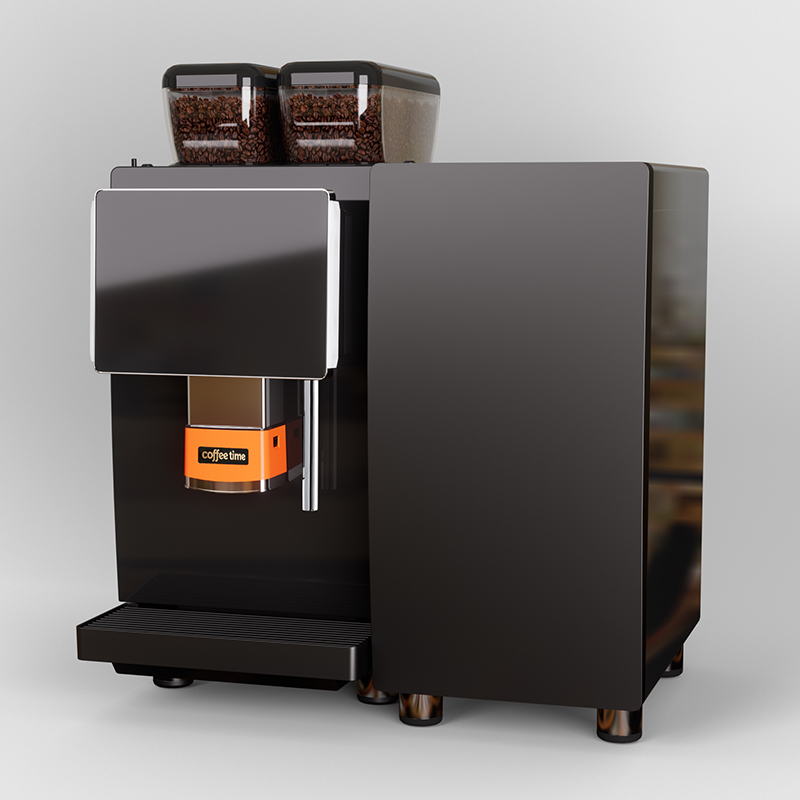
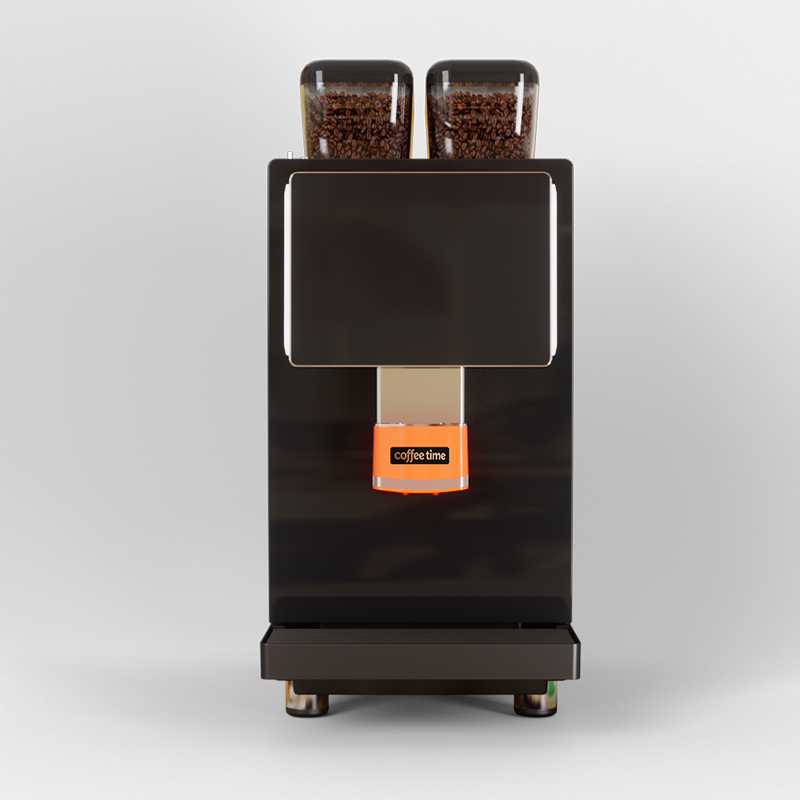
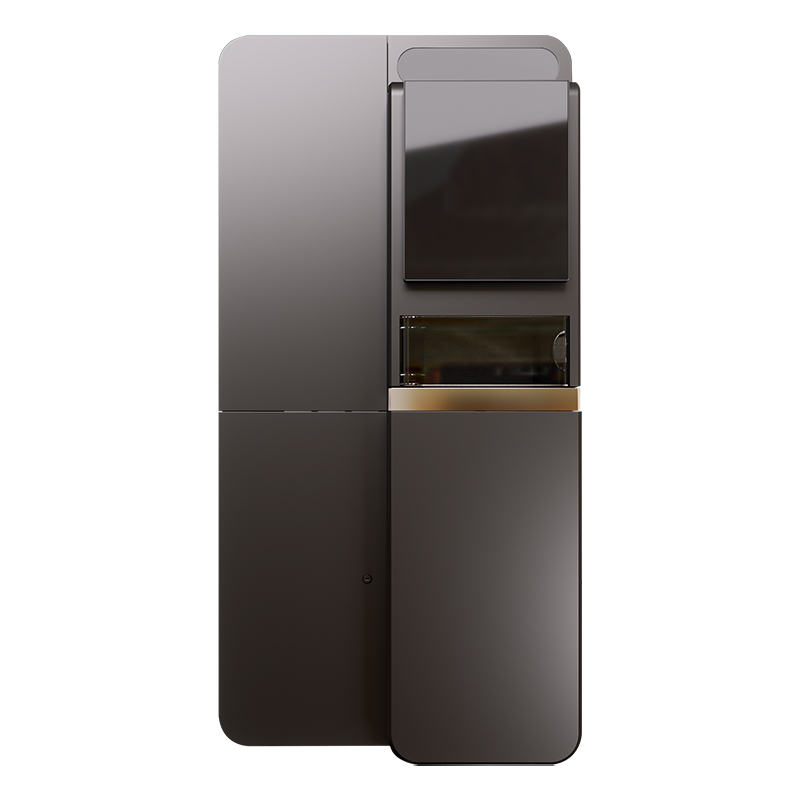
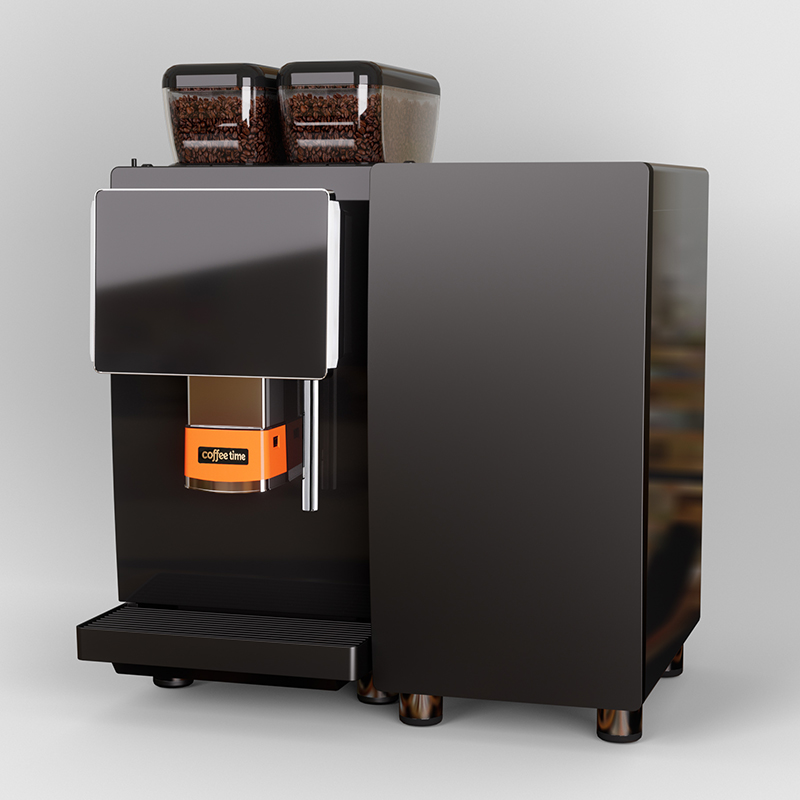
If you want a bean to coffee espresso machine that feels like it belongs in a café, the Coffeetime Intelligent Automatic Bean to Cup Coffee Machine stands out. You get a sleek design that fits right into your kitchen or office. The 10.1-inch Android color touchscreen makes it easy to pick your drink, even if you have never used a coffee machine before. You can adjust your espresso strength, temperature, and cup size with just a few taps.
The W6 series brings a large 24g brewer capacity, so you can brew strong shots or make bigger drinks without stopping to refill. You will love the intelligent lifting outlet. It moves up and down to fit your favorite mug or a small espresso cup, keeping things neat and mess-free. If you like milk drinks, you can add the optional fresh milk module and make creamy lattes or cappuccinos.
Cleaning does not have to be a chore. The Coffeetime machine has tool-free removable parts and automatic cleaning cycles. You get reminders when it is time to clean, so your coffee always tastes fresh. The independent split-control thermal system keeps the water at the perfect temperature for espresso, even during busy mornings or office rush hours.
You can use this machine at home or in a busy office. It handles both with ease and keeps everyone happy with consistent, delicious coffee.
Other Top Models
You might want to see how Coffeetime compares to other popular bean to coffee espresso machines. Here is a quick look at some leading models:
Model
Key Features
Pros
Cons
Coffeetime Intelligent Auto
24g brewer, touchscreen, auto cleaning, milk
Large capacity, easy to use, versatile
Larger footprint
DeLonghi Dinamica Plus
Touchscreen, milk frother, compact
Compact, good milk drinks
Smaller grinder, less customization
Jura E8
Pulse Extraction, fine foam, smart connect
Quiet, great milk foam, stylish
Higher price, fewer manual controls
Philips 5400 LatteGo
Simple interface, LatteGo system, 12 drinks
Easy cleaning, affordable
Plastic build, less robust grinder
You will notice that each machine has its own strengths. Coffeetime gives you a big brewer and lots of control. DeLonghi offers a smaller size and simple milk frothing. Jura focuses on quiet operation and smart features. Philips makes cleaning easy and keeps the price lower.
When you compare espresso quality, Coffeetime stands out for its temperature control and large brewing capacity. You get a rich shot with a nice crema. Jura and DeLonghi also make tasty espresso, but you may find less room to adjust your drink. Philips is great for beginners who want quick, easy coffee.
Budget: Prices range from affordable to premium. Decide how much you want to spend.
Skill Level: If you want everything automatic, pick a machine with one-touch controls. If you like to tweak settings, look for more customization.
Maintenance: Choose a machine with easy cleaning cycles and removable parts. This saves you time and keeps your coffee tasting great.
Convenience: Think about how much time you want to spend making coffee. Some machines work faster and need less attention.
Size and Noise: Make sure the machine fits your counter and does not wake up the whole house.
You should also look for these features:
Built-in grinder for fresh coffee every time.
Water line capability if you make a lot of drinks.
Control options like temperature and pre-infusion for better espresso.
Tip: If you want a machine for both home and office, Coffeetime’s large capacity and smart features make it a top pick. If you want something smaller for a quiet kitchen, Jura or DeLonghi might suit you better.
You do not need to be a barista to enjoy great espresso. Pick a machine that matches your routine and taste. You will enjoy café-quality drinks every day.
Who Should Choose Bean to Cup
Ideal Users
You might wonder if a bean to cup machine fits your needs. These machines work well for many types of users. If you run a café or manage an office, you will love the speed and consistency. You can serve fresh espresso without needing a trained barista. At home, you get café-quality coffee with just a touch.
Here’s a quick look at who benefits most:
User Group
Benefit Description
Adoption Rate
Improvement in Efficiency
Commercial Users
High operational efficiency and consistent beverage quality in cafés and offices.
41%
23%
Corporate Offices
Enhanced workplace productivity through automated coffee solutions.
N/A
16%
Foodservice Industry
High-frequency usage and dependency on consistent beverage quality.
38%
N/A
You also get plenty of features that make life easier:
Fresh-ground coffee every time, so your cup tastes bold and aromatic.
User-friendly interface lets you pick your drink and adjust settings with ease.
Durable design stands up to daily use in busy places.
Minimal energy usage keeps your bills low.
Automated convenience means you spend less time making coffee and more time enjoying it.
Bean to cup machines suit anyone who wants great coffee without fuss. You can use them at home, in offices, or in customer-facing spots like hotel lobbies and gas stations.
Limitations
You should know that bean to cup machines have a few drawbacks. Some models cost more upfront, and you might notice noise during operation. If you want cold brew, results may not impress you. The design can feel bulky in smaller kitchens.
Limitation
Description
High costs
Can be expensive
Noise levels
Noisy operation
Manual intervention
Require more effort
Clunky design
Clunky design
Cold brew performance
Cold brew is underwhelming
When you look at costs over time, bean to cup machines can actually save you money. If you drink one cup a day, you could break even in about 15 months and save over $1,300 in five years. If you drink more, your savings grow even faster.
You get convenience and quality, but you should weigh the price and space before buying. If you value fresh coffee and easy operation, a bean to cup machine makes a smart choice.
Bean-to-cup machines can make good espresso, especially if you want easy, fresh coffee every day. You should look for features that matter most to espresso lovers:
Feature
Description
Dual Boiler
Brew coffee and steam milk at the same time.
Control over Brewing Parameters
Change grind size, water temperature, and flow rate.
Grinder Quality
Stainless steel burr grinders give better taste.
Programmability
Adjust settings for your favorite drinks.
Milk Frothing Options
Built-in frothers make creamy milk drinks simple.
Coffee Type Compatibility
Make sure the machine makes the drinks you love.
Looking for a Reliable Commercial Coffee Machine Manufacturer & OEM/ODM Partner?
Coffee Time specializes in fully automatic commercial espresso coffee machines with over 20 years of manufacturing experience. Our product line covers W4, W5, W6 and P2000 series bean-to-cup machines, supporting fresh milk options and up to 24 drink recipes. We provide full ODM/OEM customization on structure, UI software, functional modules, appearance branding and packaging. With 100+ patents, a modern production base and global after-sales network covering 100+ countries, we serve distributors, brand wholesalers, hotel chains, convenience stores and HoReCa operators worldwide. Free samples are available (customer bears shipping cost). All products comply with CE, FCC and other international certifications.
When you pick a machine, think about how much time you want to spend making coffee. If you love milk drinks, choose a model with strong steam power. If you want more control, look for machines that let you adjust brew pressure and temperature. Try to balance convenience, control, and quality so you get the best cup for your routine.
FAQ
Can a bean to cup machine make real espresso?
Yes, you can get real espresso from a bean to cup machine. The machine grinds beans, heats water, and uses pressure to brew. You get a shot with crema and rich flavor. It feels just like café espresso.
How often should I clean my bean to cup machine?
You should clean your machine every few days. Most machines remind you when it is time. Regular cleaning keeps your coffee tasting fresh and your machine running smoothly.
Tip: Use the automatic cleaning cycle for easy maintenance!
Do I need special beans for espresso?
You do not need special beans. You can use any coffee beans you like. For a classic espresso taste, try medium or dark roasts. Fresh beans always give you the best flavor.
Is a bean to cup machine good for offices?
Absolutely! Bean to cup machines work well in offices. You get quick, consistent coffee for everyone. No barista skills needed. The machine handles everything, so your team stays happy and productive.