How to choose the right espresso coffee machine for commercial coffee shops and restaurants
HomeCompany newsHow to choose the right espresso coffee machine for commercial coffee shops and restaurants
How to choose the right espresso coffee machine for commercial coffee shops and restaurants
2026-07-23
View:356
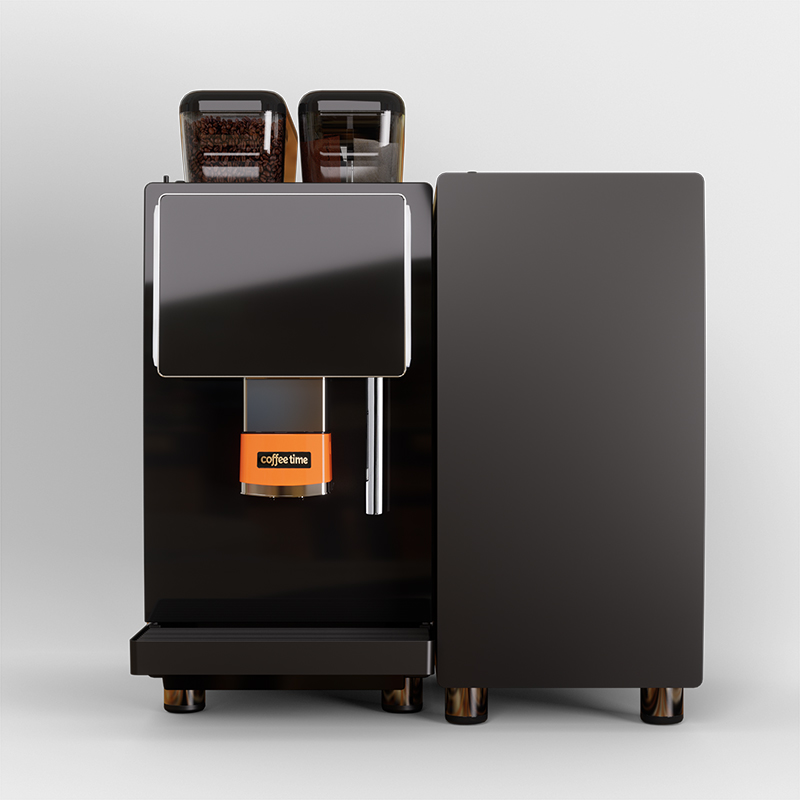
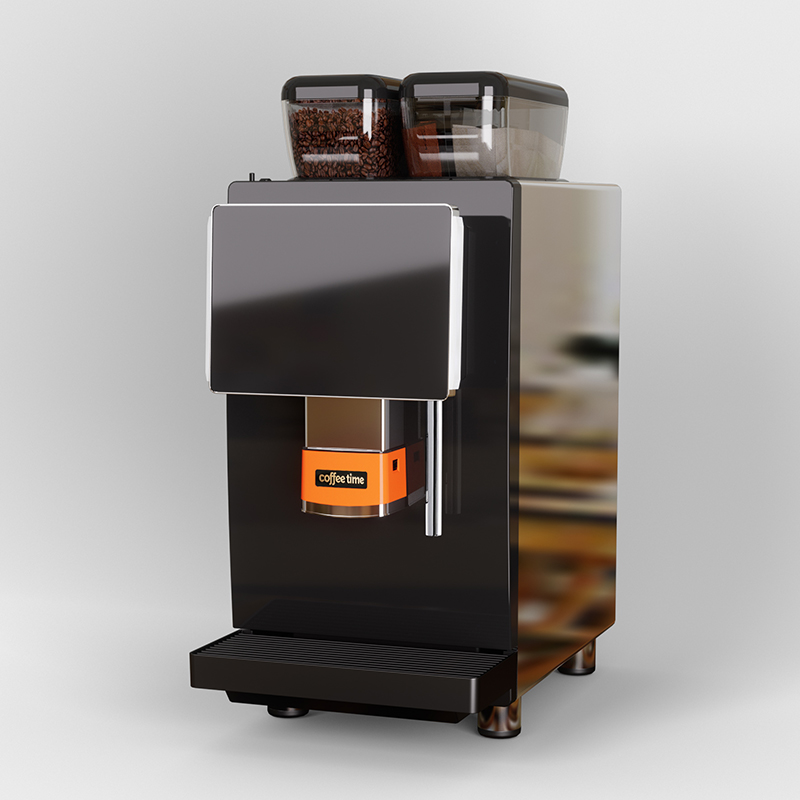
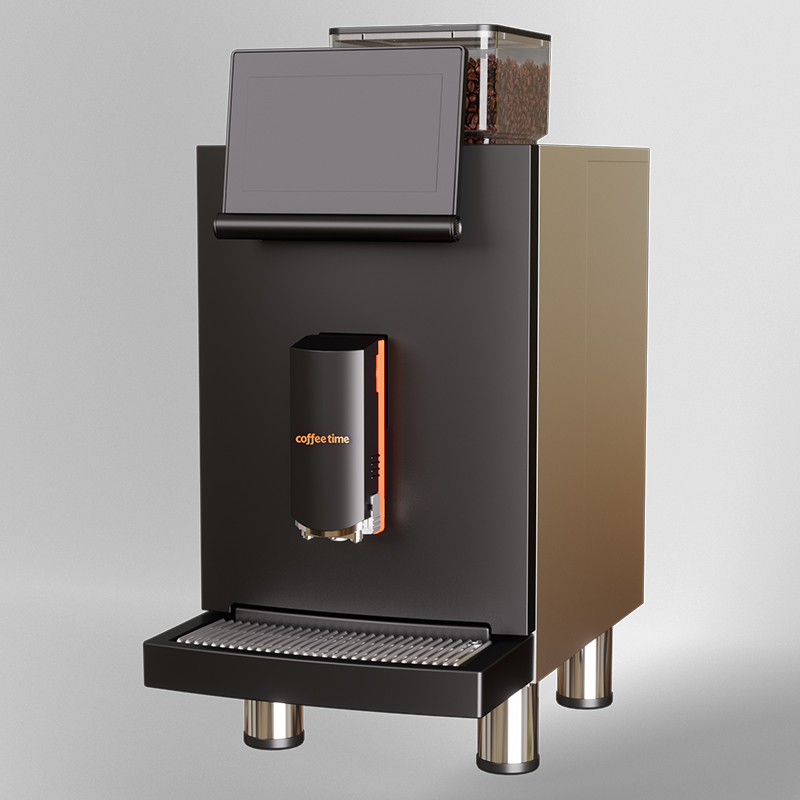
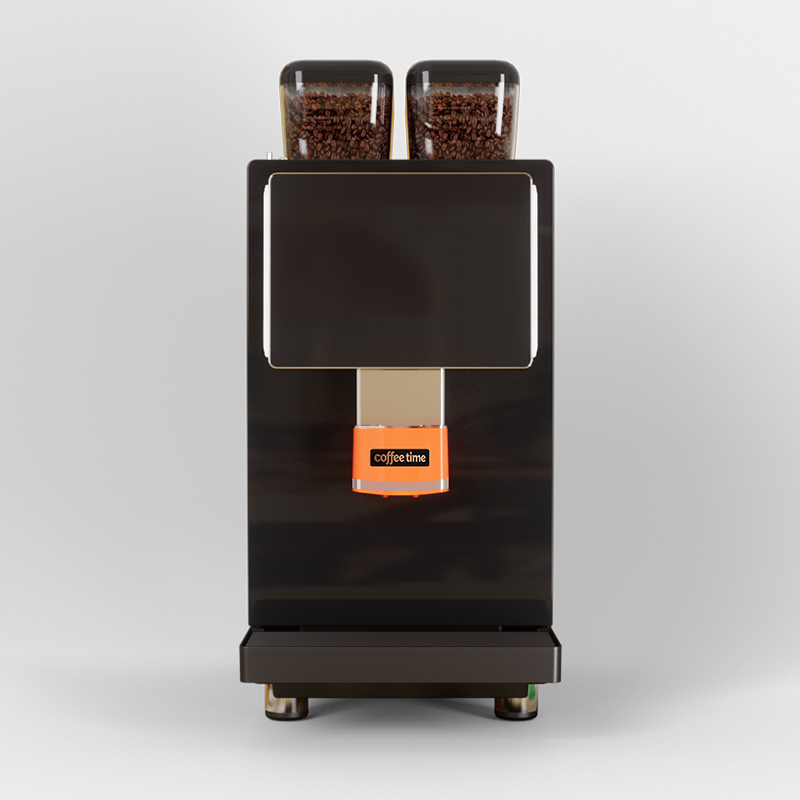
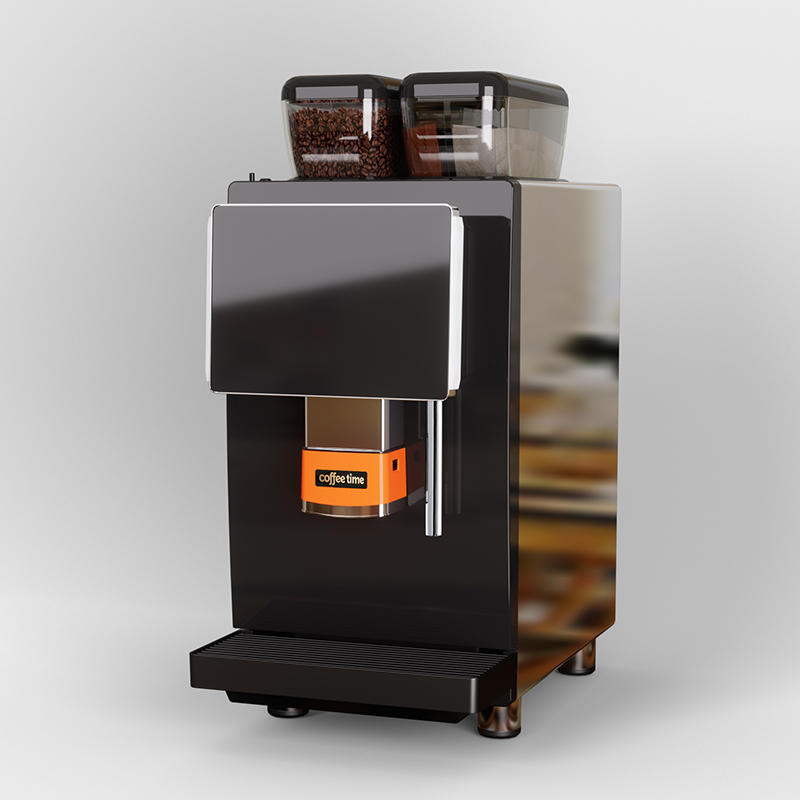
Choosing the right espresso coffee machine helps you deliver consistent quality and fast service. You need a machine that fits your business volume and offers versatility for different drink types. Automation and easy-to-use interfaces improve staff training and speed, especially during busy hours. Many commercial machines, like Coffee Time’s Intelligent Espresso Coffee Machine, feature touchscreen controls, automatic cleaning, and fresh-grinding options. These features reduce labor, minimize mistakes, and integrate smoothly into your workflow.
Automated systems boost speed and consistency.
Simple interfaces make training easier and cut preparation risks.
Key Takeaways
Choose an espresso machine that matches your daily coffee demand to ensure fast service and quality.
Select a machine with multiple brewing options if your menu includes a variety of drinks to keep customers satisfied.
Consider automatic machines for busy hours; they save time and reduce training needs for staff.
Plan your shop layout to accommodate the espresso machine and ensure easy access for baristas.
Regular maintenance and cleaning are crucial for machine longevity and consistent coffee quality.
Assess Business Volume and Menu
Estimate Daily Coffee Demand
You need to know how much coffee your shop serves each day. Start by tracking your customer count. Most busy coffee shops serve between 150 and 400 customers daily. You can also look at your average transaction value, which often falls between $4 and $8 per customer. Morning rush hours usually bring in 35-45% of your daily revenue. Loyal customers often make up 60-80% of your sales. Remember, your sales can change by 15-25% during different seasons or local events.
Count your daily customers.
Check your average sale per customer.
Watch for busy times, like mornings.
Notice if you have many repeat customers.
Track changes during holidays or special events.
You can boost your daily demand by adding food pairings or selling retail coffee. Try to adjust your staffing during busy times to keep service fast.
Identify Drink Types and Popularity
Your menu shapes the kind of espresso machine you need. If you offer a wide range of drinks, you should choose a machine with many brewing options. This helps you serve everything from classic espresso to milk-based drinks and specialty beverages. Matching your machine to your menu lets you deliver consistent quality and quick service. Customers expect their favorite drinks to taste the same every time.
A diverse menu needs a machine with multiple brewing features.
Consistent quality keeps customers happy.
Fast service depends on the right equipment.
Analyze Peak Service Hours
Peak hours put your espresso coffee machine to the test. You must think about how many drinks you need to make in a short time, not just over the whole day. For example, a machine that can make 150 cups a day may work well if orders are spread out. If most orders come during the morning rush, you need a machine that can handle high output quickly. Many shops underestimate their needs by only looking at daily totals.
Tip: Always plan for your busiest hour, not just your average day. This ensures you never fall behind when your shop is full.
Choose the Right Espresso Coffee Machine
Manual vs. Automatic Machines
You face a big choice when selecting an espresso coffee machine for your business. Manual machines require skill and training. Automatic machines offer speed and consistency. You can see the differences in the table below:
Lower initial cost but requires additional equipment
Higher initial cost but includes built-in grinder
Lifespan
Typically longer with proper care
5-8 years before major repairs needed
Automatic machines, like Coffee Time’s Intelligent Espresso Coffee Machine, help you serve drinks quickly and consistently. You save time and reduce mistakes. You can train new staff faster. Many brands offer automatic options, including Synesso, Slayer, La Marzocco, Victoria Arduino, Nuova Simonelli, Rocket, ECM, and Profitec. Each brand brings unique features, but you should focus on what fits your workflow.
Tip: If your shop gets busy in the morning, automatic machines keep your service fast and reliable.
Group Heads and Output Capacity
The number of group heads on your espresso coffee machine determines how many drinks you can make at once. One-group machines work for small shops with fewer than 150 drinks per day. Two-group machines handle steady orders and let two baristas work together during rush hours. Three-group machines suit high-volume shops, helping you serve up to 500 drinks daily and reduce wait times.
The group head locks in the portafilter and starts the brewing process. More group heads mean you can brew more drinks at the same time. You need to match the number of group heads to your expected business volume. If you expect a busy workflow, choose a machine with more group heads.
Note: Two-group machines balance speed and space. Three-group machines maximize output for large shops.
Automation and User Interface
Modern espresso coffee machines use advanced automation and smart interfaces. You get instant startup and one-touch operation. Machines respond to your inputs and adjust brewing speed and temperature for consistent quality. Some machines offer haptic controls and voice assistants for a modern feel.
You can monitor your machine remotely and update software for better performance. Personalized brewing settings let you cater to customer preferences. Cloud integration supports advanced features. Self-diagnostic functions prevent overheating and reduce maintenance costs. Hybrid motor systems improve speed and accuracy.
Coffee Time’s Intelligent Espresso Coffee Machine stands out with its fresh-grinding feature, touch screen, and automatic cleaning. The 10.1-inch Android color display makes operation simple. The machine identifies cup sizes and adjusts drink dispensing. You can serve over 400 cups daily with ease. Other brands, like La Marzocco and Victoria Arduino, also offer advanced automation, but you should compare features based on your needs.
Instant startup and one-touch operation save time.
Automatic cleaning and alarms reduce maintenance.
Touch screens and multimedia interfaces make training easier.
Callout: Choose an espresso coffee machine with automation and a user-friendly interface to boost efficiency and customer satisfaction.
You need to match the machine type and capacity to your business needs. Start by evaluating your daily volume. Compare machine features and usability. Look for easy maintenance and cleaning. Consider your budget and long-term return on investment. The right espresso coffee machine helps you deliver quality drinks, fast service, and a smooth workflow.
Boiler and Steam Requirements
Single vs. Dual Boiler
You need to understand how boiler types affect your coffee service. Single-boiler machines use one heating system for both brewing and steaming. Dual-boiler machines have two separate boilers. This difference changes how you make drinks and how fast you serve customers.
Here is a table that shows the main differences:
Feature
Single Boiler
Dual Boiler
Temperature Control
Requires temperature surfing
±1°C stability with independent control
Simultaneous Brewing & Steaming
Cannot brew and steam at the same time
Can brew and steam simultaneously
Ideal Use Case
Best for single-drink workflows
Suitable for busy environments
Maintenance Complexity
Simpler maintenance
More complex maintenance requirements
Single-boiler machines require you to wait about 90 seconds between brewing and steaming. Dual-boiler machines let you brew and steam at the same time. You get stable temperatures for every shot. If you make milk drinks often, a dual-boiler machine works best. If you only make milk drinks sometimes, a single-boiler machine is enough.
Tip: Dual-boiler machines help you serve more customers during busy hours. You save time and keep drinks consistent.
Steam Load for Milk-Based Drinks
Milk-based drinks like lattes and cappuccinos need strong steam power. You must check how much steam your machine can produce. Dual-boiler machines handle high steam loads easily. Single-boiler machines may struggle if you make many milk drinks in a row.
Dual-boiler machines keep steam ready for fast service.
Single-boiler machines work well for shops with fewer milk drinks.
If you expect a rush of milk drinks, choose a machine with a dedicated steam boiler.
You can improve your workflow by matching your steam needs to your menu. The espresso coffee machine you select should support your busiest times and help you deliver quality drinks.
Note: Always test the steam power before buying. Make sure it fits your menu and customer demand.
Installation and Space Considerations
Power and Water Supply
You must check your shop’s power and water setup before installing an espresso coffee machine. Most commercial machines in the U.S. and Canada use a standard 120V, 15-amp outlet. This setup gives you about 1,440 watts of continuous power. Single-boiler and heat-exchanger machines usually need between 1,200 and 1,400 watts. Dual-boiler machines may require up to 1,800 watts during warm-up. You should use a dedicated circuit for your espresso machine. This prevents tripped breakers and keeps your service running smoothly.
Standard outlet: 120V, 15-amp
Continuous load: 1,440 watts
Single-boiler: 1,200–1,400 watts
Dual-boiler: 1,400–1,800 watts (warm-up)
Dedicated circuit recommended
Water supply matters just as much. You need a reliable water line with good pressure. Many machines require direct plumbing. You should install a water filtration system to protect your machine and improve drink quality. Clean water keeps your espresso tasting fresh and prevents scale buildup.
Tip: Always check your local codes and consult a professional electrician and plumber before installation.
Layout and Cup Size Flexibility
You must plan your workspace to fit your espresso machine and allow easy movement. Place your machine near the sink and refrigerator for quick access. Leave enough space for baristas to work without bumping into each other. You should measure your counter and check the machine’s footprint. Make sure you have room for grinders, milk modules, and cleaning tools.
Cup size flexibility helps you serve different drinks. Machines like Coffee Time’s Intelligent Espresso Coffee Machine can identify cup sizes and adjust dispensing. You can serve espresso shots, tall lattes, and specialty drinks without changing settings. This feature saves time and reduces errors.
Machine Feature
Benefit
Adjustable cup tray
Fits small and large cups
Automatic cup detection
Reduces mistakes
Spacious layout
Improves workflow
Callout: Plan your layout and choose a machine with cup size flexibility to boost efficiency and customer satisfaction.
Maintenance and Operating Costs
Cleaning and Servicing
You must keep your espresso coffee machine clean to protect your investment and serve great coffee. Coffee Time’s Intelligent Espresso Coffee Machine makes this easy with automatic cleaning cycles and alarm systems. These features help you avoid mistakes and save time. You do not need to remember every cleaning step because the machine alerts you when it needs attention.
Regular cleaning and servicing help you:
Prevent expensive repairs by stopping scale buildup.
Maintain consistent performance with stable heating and pressure.
Maximize resale value through documented maintenance.
Prevent mold and bacteria growth inside the machine.
Avoid pressure and temperature issues by keeping safety systems working.
You should clean the machine daily and descale it as recommended. Use filtered water to reduce mineral deposits. Keep a log of maintenance tasks to show buyers that you cared for your equipment.
Tip: Automatic cleaning and alarms reduce labor and keep your machine running smoothly.
Long-Term Cost Factors
You need to plan for routine maintenance, spare parts, and staff training. These factors affect your total cost of ownership. Well-trained staff help you avoid downtime and keep coffee quality high. Spare parts availability ensures quick repairs.
Here is a breakdown of typical costs:
Cost Component
Description/Impact
Cost Range (USD)
Routine Maintenance
Cleaning supplies, descaling, water filter replacement, labor for routine tasks.
$100–$250 per month
Annual Preventive Maintenance
Professional inspections, gasket replacements, deep cleaning, grinder burr replacement.
$500–$1,350 per year
Emergency Repairs
Unexpected repairs including parts like pumps, heating elements, control boards, labor fees.
$400–$1,500 per incident
Total Annual Maintenance Cost
Combination of routine, preventive, and average emergency repairs for typical machines.
$2,500–$5,700 per year
Impact on Equipment Longevity
Proper maintenance can extend machine life from 3–5 years to 8–12 years, reducing replacement costs.
Significant savings over machine lifespan
Staff Training & Operational Efficiency
Properly trained staff reduce downtime and maintain consistent coffee quality, impacting customer retention and revenue.
Indirect but critical cost factor
Total 5-Year Cost of Ownership
Includes purchase, installation, maintenance, repairs, supplies, and energy costs.
$25,000–$37,500 total over 5 years
You can save money by following a regular maintenance schedule and training your staff. A well-maintained espresso coffee machine lasts longer and delivers better results.
Budget and Manufacturer Support
Purchase Price and Financing
You must consider several factors when budgeting for a commercial espresso coffee machine. Price is important, but you also need to think about quality, capacity, and features. Machines with advanced technology may cost more, but they often improve efficiency and service quality. Stainless steel construction increases durability and reduces replacement costs. Reliable brands usually offer better support and longer-lasting equipment.
Here is a table that shows key budgeting factors:
Factor
Description
Quality
Reliable machines deliver consistent drinks and last longer.
Financing Options
Financing helps you manage cash flow and avoid large upfront payments.
Ongoing Costs
Maintenance, water filtration, and staff training keep your machine running smoothly.
Brand Reputation
Trusted brands provide better reliability and support.
Build Quality
Strong materials like stainless steel lower replacement costs.
Technological Features
Advanced features boost efficiency and service quality.
Capacity
Machine size and output must match your business needs.
Financing options help you preserve working capital for other expenses, such as inventory and payroll. You can convert large equipment costs into predictable monthly payments. This approach gives you flexibility and keeps your business running smoothly.
Tip: Choose a machine that fits your budget and business needs. Financing can help you grow without tying up cash.
Warranty and After-Sales Service
Manufacturer support plays a big role in your long-term satisfaction. A strong warranty protects your investment and reduces repair costs. After-sales service ensures you get help when you need it. Easy access to parts and a solid local service network keep your machine running and minimize downtime.
You benefit from reliable support in many ways:
Beverage consistency improves.
Customer satisfaction increases.
Equipment downtime drops.
Maintenance costs stay low.
Service speeds up.
Daily drink output rises.
Business growth gets a boost.
Premium machines with well-engineered components last longer and perform better. You should look for brands that offer clear warranties and responsive support. Coffee Time’s Intelligent Espresso Coffee Machine provides robust after-sales service and easy access to parts, helping you maintain high standards and keep your business moving forward.
Looking for a Reliable Commercial Coffee Machine Manufacturer & OEM/ODM Partner?
Coffee Time specializes in fully automatic commercial espresso coffee machines with over 20 years of manufacturing experience. Our product line covers W4, W5, W6 and P2000 series bean-to-cup machines, supporting fresh milk options and up to 24 drink recipes. We provide full ODM/OEM customization on structure, UI software, functional modules, appearance branding and packaging. With 100+ patents, a modern production base and global after-sales network covering 100+ countries, we serve distributors, brand wholesalers, hotel chains, convenience stores and HoReCa operators worldwide. Free samples are available (customer bears shipping cost). All products comply with CE, FCC and other international certifications.
Note: A good warranty and strong support network protect your investment and help your business thrive.
You can select the best espresso coffee machine by following a clear process. Start with reputable brands and check build quality. Make sure the machine fits your staff’s skill level and your menu. Calculate total costs and review warranty support. Consider innovative options like Coffee Time’s Intelligent Espresso Coffee Machine for efficiency and versatility. Next, create a checklist, map your workflow, and consult suppliers for training and maintenance. Thorough research helps you deliver consistent quality and keeps customers happy.
FAQ
How often should you clean a commercial espresso coffee machine?
You should clean your espresso machine every day. Regular cleaning keeps your drinks tasting fresh and helps your machine last longer. Many modern machines have automatic cleaning cycles to make this task easier.
What features help speed up service during busy hours?
Look for machines with automatic grinding, touch screens, and fast brewing. These features help you serve more customers quickly. You can also save time with machines that have automatic cleaning and cup size detection.
Can you use one machine for both espresso and milk-based drinks?
Yes, you can. Choose a machine with a strong steam system and dual boilers. This setup lets you brew espresso and steam milk at the same time. You can serve lattes, cappuccinos, and more without waiting.
What should you check before installing a new espresso machine?
Always check your power supply, water line, and counter space. Make sure your shop has enough electricity and water pressure. Measure your counter to fit the machine and leave room for other tools.