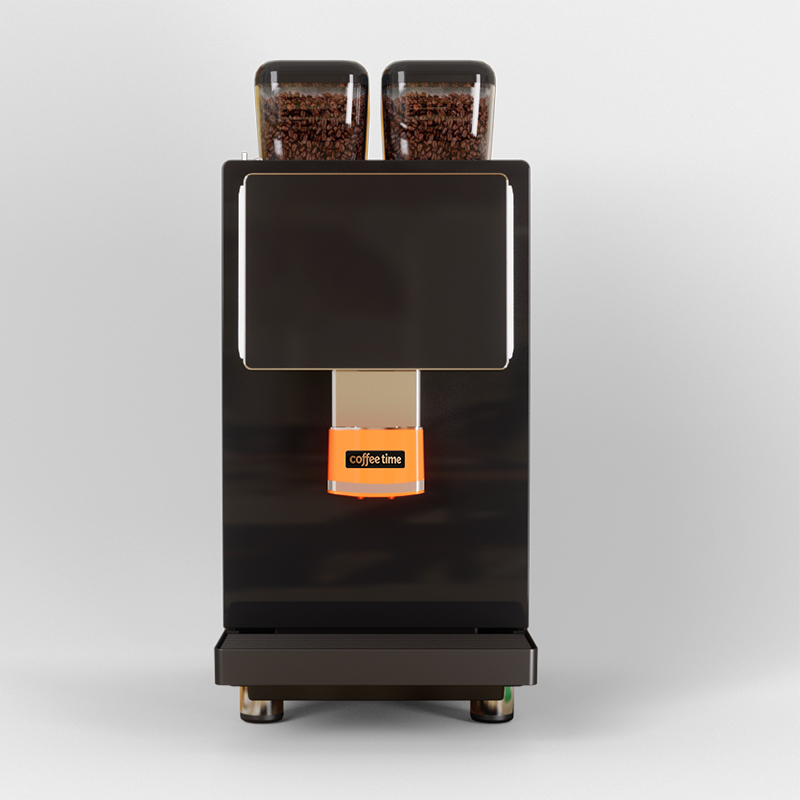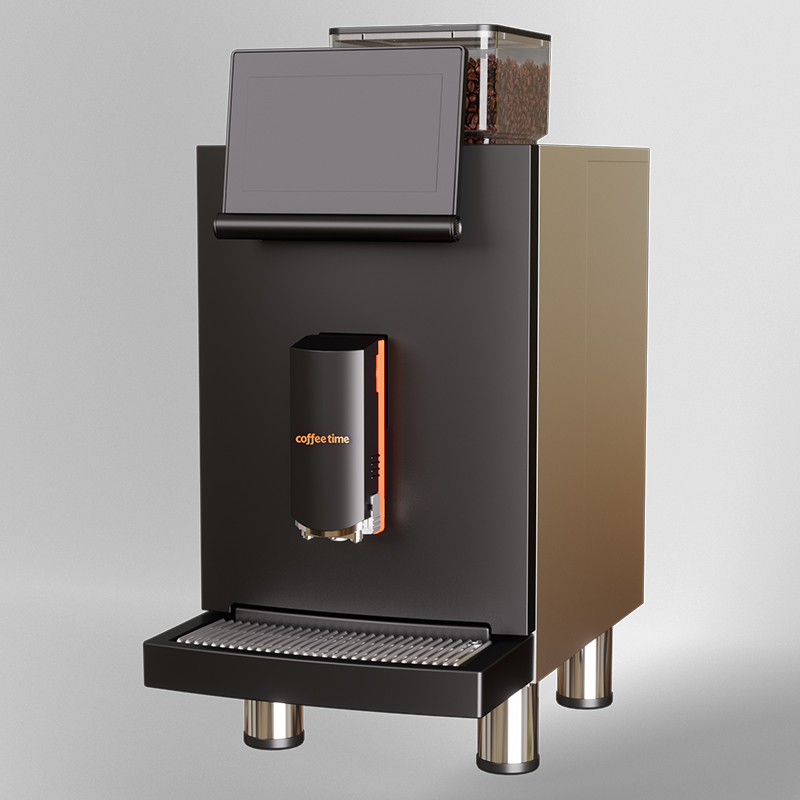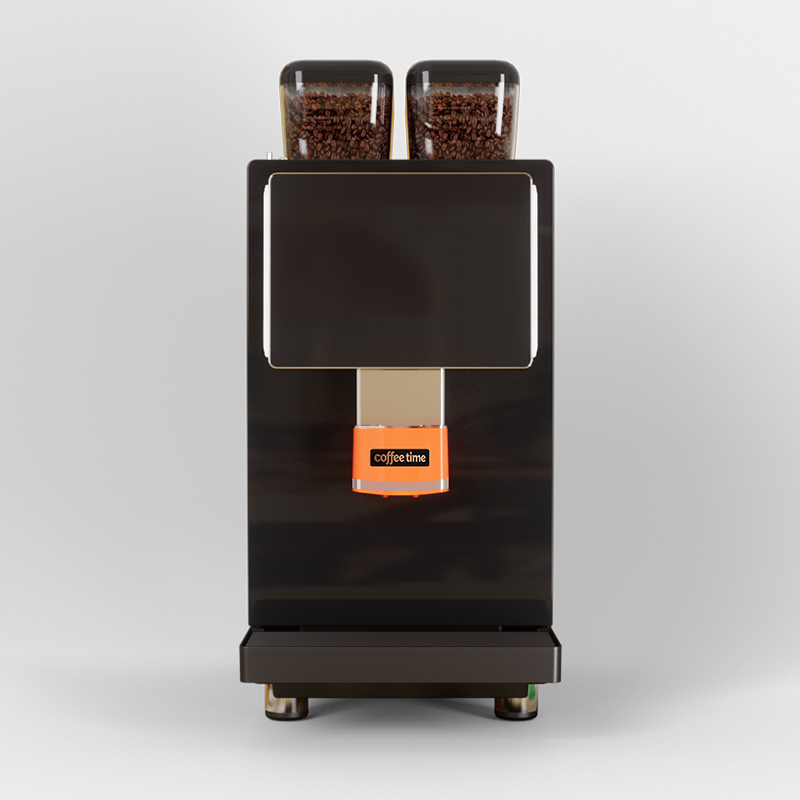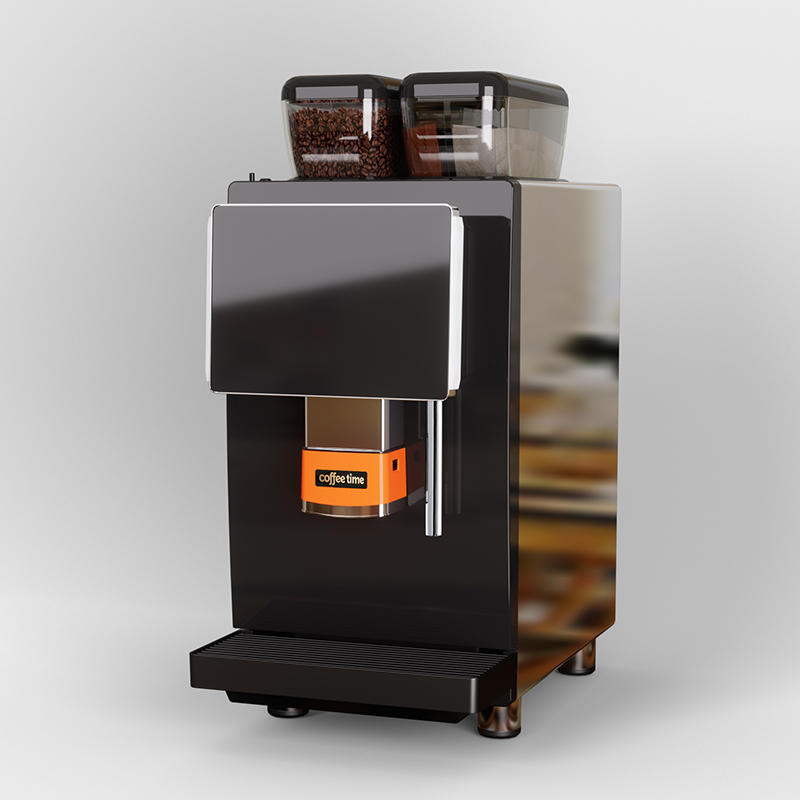
How much does a coffee vending machine cost
In 2026, a new bean to cup coffee vending machine typically costs between $1,500 and $14,000. Basic starter models begin near $1,500. Advanced commercial machines with high daily cup output and smart features exceed $14,000. Used machines, depending on condition and certification, range from $800 to $4,500, offering substantial savings over new models. Your final price in many cases depends on the machine type, features, capacity, and ongoing costs like installation, maintenance, supplies, and service plans. These factors significantly change the total cost. This post helps you build a realistic budget by breaking down each cost factor in detail, ensuring you make an informed purchase.
Key Takeaways
New bean to cup machines cost between $2,000 and $10,000 in 2026. Used machines cost $1,500 to $4,000.
Features like touchscreens, milk frothing, and high daily output increase the machine price.
Match the machine capacity to your daily cup demand. This avoids paying for unneeded features.
Compare total cost of ownership. Include purchase, installation, supplies, and maintenance over the machine's life.
Bean to Cup Coffee Vending Machine Types and Prices
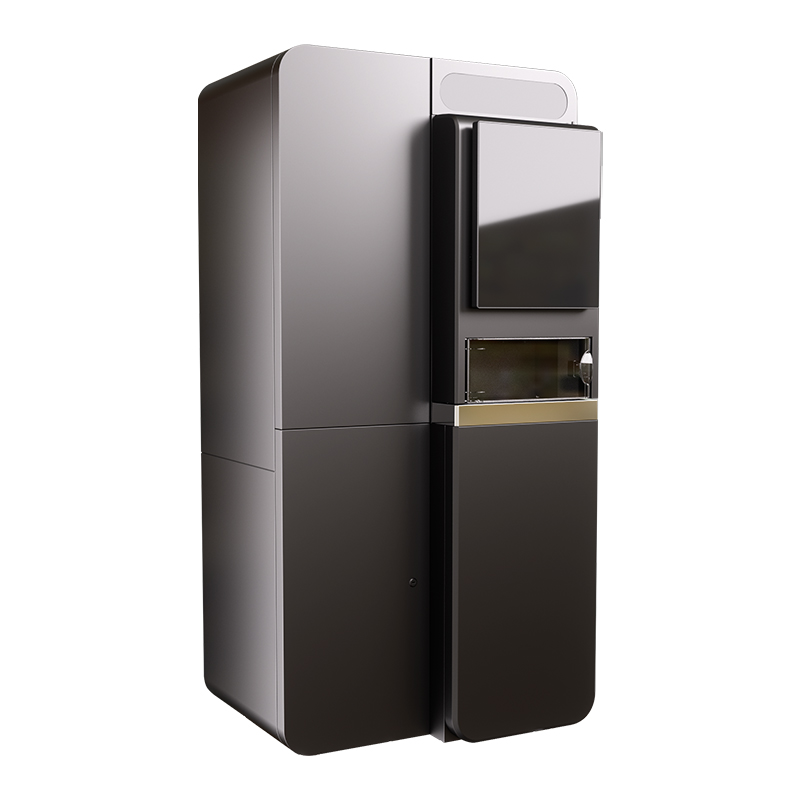
Machine prices fall into clear tiers. Each tier matches a certain cup capacity and menu range. You can use these tiers to narrow your search fast.
Entry-Level Bean to Cup Coffee Vending Machines
Entry-level units typically run $2,500 to $6,000. Used machines often fall in this band. These models suit small offices, break rooms, and low-traffic spots. They brew basic coffee drinks and offer a simple menu. You get reliable performance without extra features.
One source lists a starting price of 80,000 Indian rupees (about $960) for entry-level bean to cup coffee vending machines in 2026. That figure reflects the low end of the global market. Budget buyers can find affordable options here.
These machines usually have smaller boilers and basic controls. They may lack milk frothing or touchscreen interfaces. Daily output stays modest. For a team of 10 to 20 people, an entry-level unit works well. You save money upfront. You also accept a narrower drink menu.
Mid-Range and High-End Commercial Models
Mid-range units run roughly $4,000 to $7,500. High-end commercial smart baristas can exceed $14,000. Price tier usually tracks cup capacity and menu versatility. A machine that serves 500 cups per day costs more than one that serves 50.
Commercial-grade tabletop bean-to-cup units range from $1,800 to $4,500. Larger boiler capacity and advanced telemetry features justify the higher cost. Telemetry means the machine sends usage data and alerts remotely. You monitor performance without standing next to the unit.
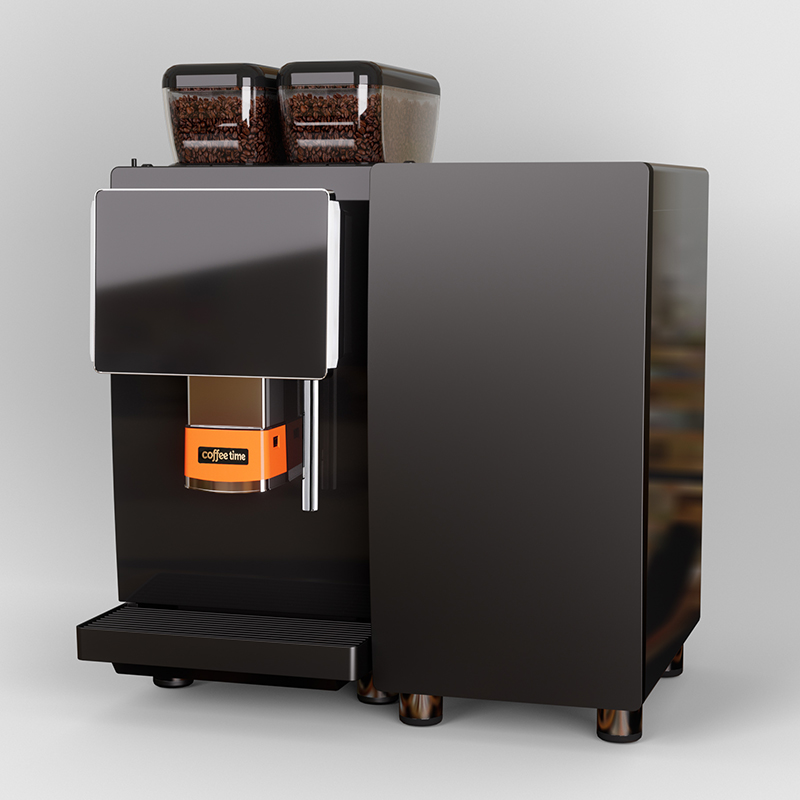
Premium models offer dual grinders and fresh-milk systems. These features produce latte-art-quality beverages. Capital expenditure for such systems exceeds $4,000. Enhanced beverage quality and dual-grinder capability drive the price up.
Advanced commercial machines with dual grinders and fresh-milk systems have a capital expenditure of over $4,000. Enhanced beverage quality and dual-grinder capability justify the higher cost.
Mid-range machines balance cost and capability. You get better boilers, more drink options, and sometimes a touchscreen. High-end models add smart diagnostics, dual dispensing, and payment flexibility. These features serve busy locations with diverse customer needs.
Price tier reflects what the machine can do. More cups per day means a bigger boiler and hopper. More drink options mean more complex brewing systems. You pay for capacity and versatility. Match the tier to your daily demand. Then you avoid overspending on features you will not use.
Key Features That Affect the Price
Touchscreen, Milk Frothing, and Brew Options
A large touchscreen adds cost. Advanced models may feature large touchscreen displays that work like a smartphone, allowing customers to tap through drink menus and view promotional content. That feature raises the price compared to a machine with simple buttons.
Dual dispensing means the machine pours both hot and cold drinks. This capability requires extra hardware inside the unit. Multi-payment support also pushes cost upward. Machines that accept coins, banknotes, QR codes, and contactless cards cost more than cash-only models. Each payment method needs its own reader and software. Milk frothing systems add another layer of expense. A fresh-milk system produces latte-quality drinks. It also demands more cleaning and maintenance.
Capacity, Bean Hopper, and Daily Cup Output
Higher daily capacity raises the purchase price. A machine rated for 500+ cups per day needs a bigger boiler and larger hoppers. The bean hopper holds whole beans. The milk hopper stores fresh milk. Larger hoppers mean fewer refills during busy hours. They also lower your cost per cup over time. You buy supplies in bulk and spend less on labor.
Energy-saving technology reduces long-term operating costs. Look for machines that power down during idle periods. Smart diagnostics is another feature worth understanding. This system monitors internal parts and sends alerts by email or app. You learn about maintenance needs before a breakdown happens. That reduces downtime and repair bills. These features cost more upfront. They save money across the machine's working life.
Additional Costs Beyond the Machine
Your machine purchase is only part of the total investment. Several one-time and recurring costs shape your real budget. Understanding these costs helps you plan accurately and avoid surprises.
Installation, Setup, and Financing
Delivery and installation costs vary depending on your location and the machine weight. Professional installation ensures your machine operates correctly from day one.
Water line setup often requires a plumber, and the cost depends on the existing infrastructure and distance. The plumber taps into a nearby water supply and installs a filtration system. Filtration protects your machine from mineral buildup. It also improves drink taste and extends machine life. Some locations lack an existing water connection. In that case, you pay more for the plumbing work.
Optional accessories, such as automatic cup dispensers and base cabinets, raise your total investment. These add-ons improve convenience and appearance. They are not essential for basic operation.
Leasing offers an alternative to buying outright. You pay a monthly fee instead of a large upfront sum. Leasing contracts can vary in length, often covering several years. Monthly payments often include the machine, installation, and sometimes maintenance. This option suits businesses that want predictable monthly costs. You avoid a large capital expense. You can upgrade to a newer model when the lease ends. Always check the contract for early termination fees and service inclusions. Compare lease terms from multiple vendors before signing.
Maintenance, Supplies, and Cost Per Cup
Recurring costs determine your long-term profitability. These costs include beans, milk, cups, cleaning supplies, and service plans. You must budget for them from day one.
Service plans are a major recurring expense. A full-service contract costs $600 to $2,000 per month. This plan covers preventive maintenance, repairs, and parts replacement. It gives you peace of mind and reduces unexpected repair bills. Without a service plan, you pay per technician visit, and each visit cost varies.
Supplies add ongoing cost. Per employee, supplies run $5 to $25 per month. Cleaning supplies form part of this figure. They include descaling tablets, cleaning brushes, and sanitizing solutions. The per-employee monthly cost for a bean to cup coffee vending machine operation is $5 to $8. This figure covers supplies and some basic maintenance tasks.
Your cost per cup breaks down into small amounts. The table below shows key component costs.
Cost Component | Approximate Cost |
|---|---|
Commercial bean cost | 11–13 cents per cup |
Energy (1.45 kW machine) | ~6 cents per hour (well under 1 cent per cup at volume) |
The total ingredient cost for a cup is $0.40 to $0.60. This includes beans, milk, cups, and other supplies. Your gross margin per cup exceeds 85%. If you sell a cup for $2.00, you earn over $1.40 in gross profit. That margin makes bean to cup vending a profitable business.
Smart alarm systems reduce your maintenance costs. Smart machines can send email or app alerts when a component needs attention. You schedule service before a breakdown occurs. This feature minimizes downtime and protects your revenue stream.
How to Choose the Right Machine for Your Budget
Match Capacity and Features to Daily Demand
Start with your daily cup demand. This number is your first filter. Do not buy on brand alone. Estimate your realistic peak traffic, not just the daily average. Oversizing pays for unused capacity. Undersizing slows service and drops drink quality during morning rushes.
Match the machine tier to your actual volume. A small office serving 50 cups per day needs a different machine than a busy retail spot serving 500. Consider these capacity benchmarks:
Up to 100 cups per day: basic entry-level unit
Up to 170 cups per day: mid-range model
Up to 250 cups per day: higher-capacity unit
Up to 300 cups per day: advanced commercial model
Beyond cup volume, evaluate beverage range, labor model, cleaning and sanitation needs, service support, and financing options. A machine that brews both hot and iced drinks captures more sales year-round. Self-cleaning cycles and a clear maintenance plan keep quality steady without pulling staff time.
Compare Total Cost of Ownership
Purchase price is the least useful metric. Compare total cost of ownership instead. Add up the machine purchase, installation, supplies, and maintenance across the machine's life. Model these costs against your real consumption.
TCO Component | Cost or Detail | Frequency |
|---|---|---|
Machine purchase price | $8,700 – $16,500 | One-time |
Water filtration system | $100 – $300 | Every 3–6 months |
Cost per cup | $0.15 – $0.40 | Per cup |
Initial product inventory | $300 – $800 | One-time |
Weekly maintenance | 45–60 minutes per machine | Weekly |
The consumable line is the main swing factor. Whole-bean brewing typically costs around $0.20–$0.50 per cup depending on bean grade. Drink volume determines the outcome. Low daily volume often favors pods. Medium-to-large volume usually favors bean-to-cup due to higher capital efficiency and lower recurring spend.
Request quotes from multiple vendors. Ask about volume discounts, such as 10-unit pricing. A cheaper budget machine can cost three times more in repairs and waste over two years. Premium commercial machines often have a 35% lower total cost of ownership than budget alternatives. Compare quotes, model your real consumption, and let the break-even point guide your decision.
Your investment in a bean to cup coffee vending machine in 2026 typically lands between $1,500 and $14,000. Entry-level units start near $1,500. Premium commercial models exceed $14,000. Your real budget must include machine type, features, and ongoing costs like installation and maintenance. These factors shape your total investment more than the purchase price alone. Estimate your daily cup demand first. Then compare total cost of ownership across multiple vendors. Ask about volume discounts and service plan options. This approach ensures you pick a machine that fits your operation and your budget. Request quotes from at least three suppliers. Compare them side by side before you decide.
FAQ
What payment methods do these machines accept?
Multi-payment support adds to the price. You can pay with coins, banknotes, QR codes, and contactless cards. Each method requires its own reader and software, which increases upfront cost.
How much does installation cost for a vending machine?
Installation costs vary depending on location and machine weight. Professional setup ensures correct operation from day one.
What daily cup capacity should you expect?
Entry-level machines suit lower traffic spots. Commercial models can handle up to 300 cups per day. Choose your machine tier based on your actual daily demand to avoid overspending.
Can you lease a bean to cup machine?
Yes. Leasing spreads the cost over three to five years. Monthly payments often include the machine, installation, and sometimes maintenance. This option avoids a large upfront expense.
What recurring costs come with ownership?
You pay for beans, milk, cups, cleaning supplies, and service plans. Service contracts run $600 to $2,000 per month. Your cost per cup falls between $0.40 and $0.60.