What are some good fully automatic coffee machines for commercial use
HomeCompany newsWhat are some good fully automatic coffee machines for commercial use
What are some good fully automatic coffee machines for commercial use
2026-09-07
View:228
A fully automatic commercial espresso machine transforms your workflow. It grinds beans, doses the right amount, extracts espresso, and textures milk with one button press. You eliminate manual steps and human error.
This automation delivers two major benefits. First, you achieve consistent quality in every cup. Second, you boost operational efficiency during rush hours. For cafes and restaurants serving hundreds of customers daily, these advantages directly impact your bottom line.
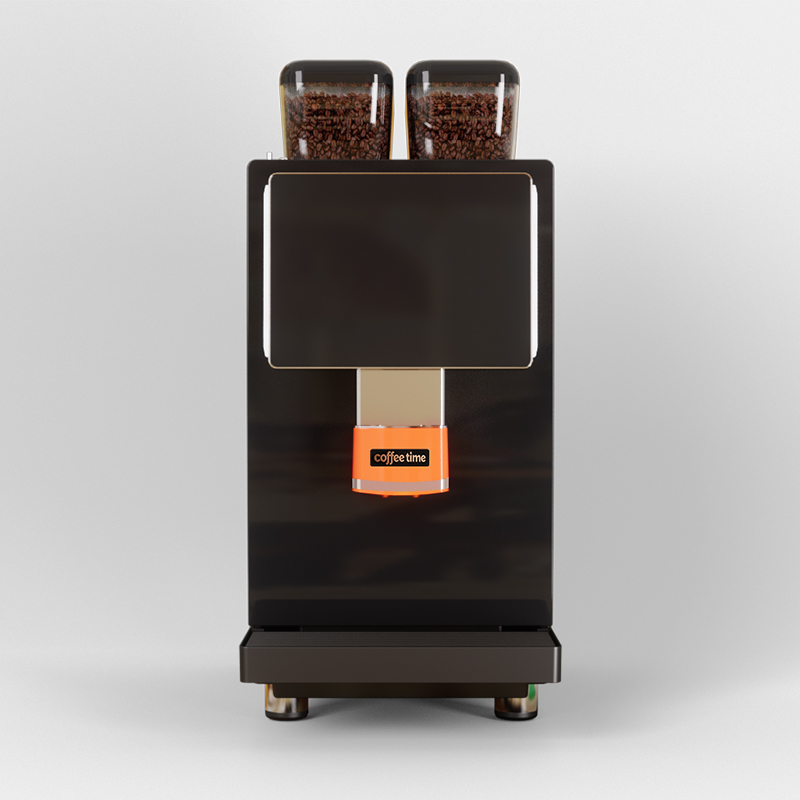
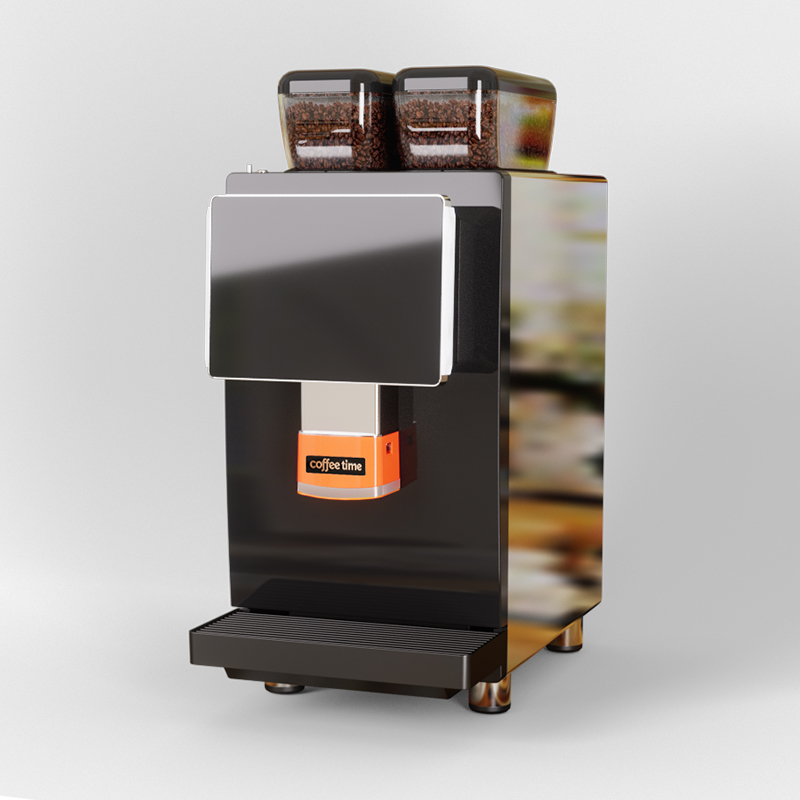
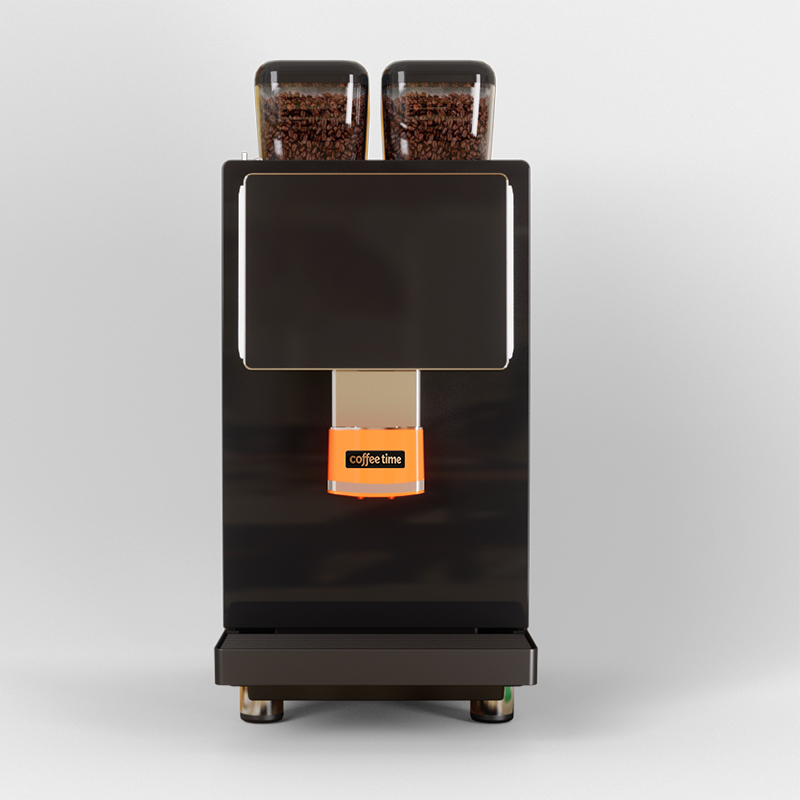
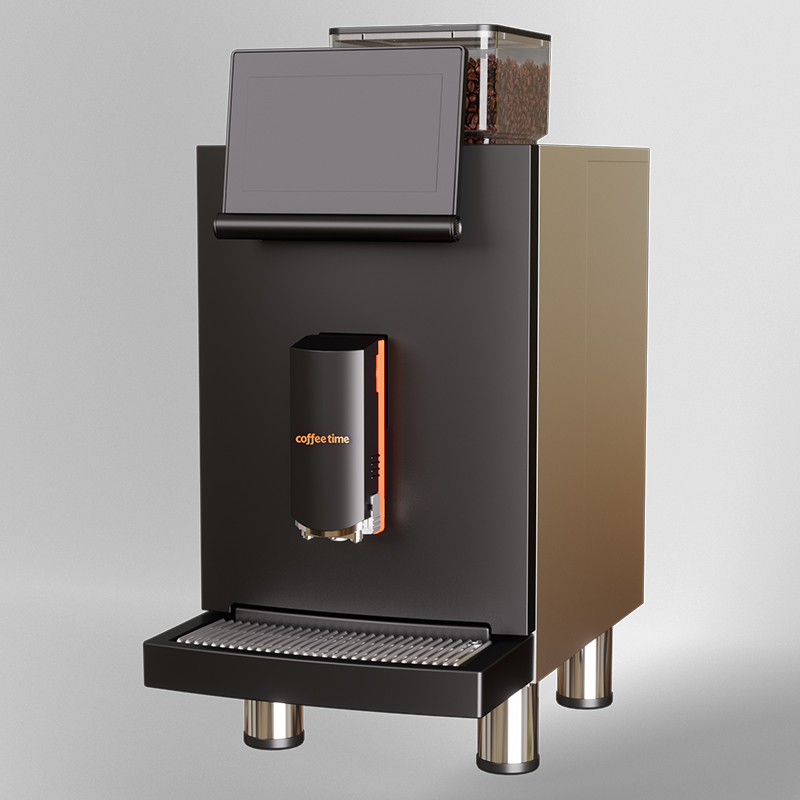
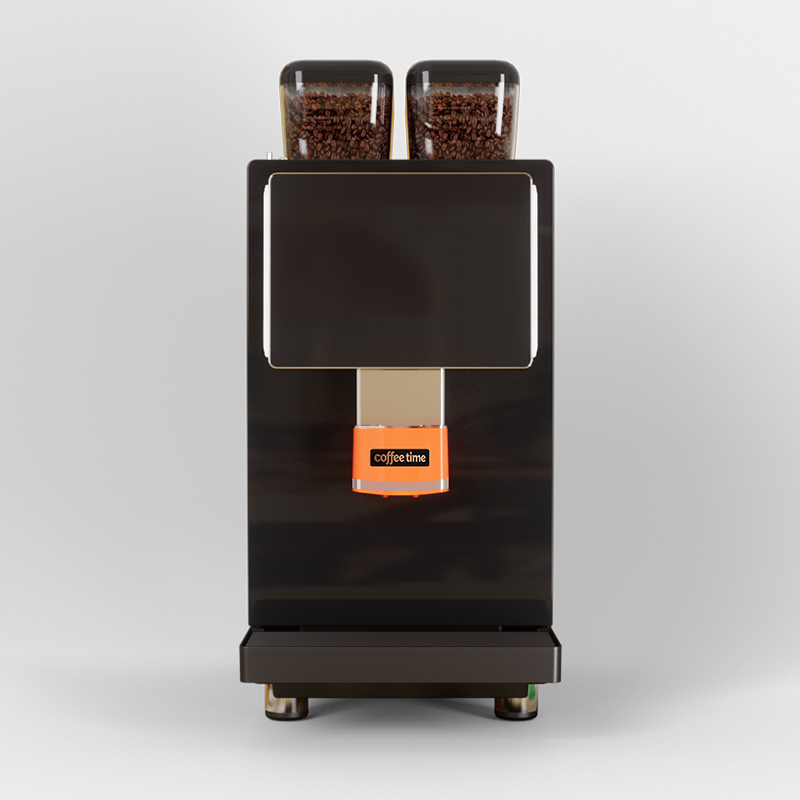
Consider the Coffee Time W4 as a prime example. Its 10.1-inch touchscreen simplifies drink selection, while the dual boiler system handles brewing and steaming simultaneously. You serve drinks faster without sacrificing taste.
Is upgrading to a fully automatic model the right move for your business's profitability and customer satisfaction?
Key Takeaways
Fully automatic espresso machines make every cup consistent and fast.
They reduce training time and labor costs for busy cafes.
Choose a machine that matches your daily drink volume and menu.
Daily cleaning and yearly professional checks keep the machine reliable.
Automation lets staff focus on customers, improving service quality.
What Defines a Fully Automatic Commercial Espresso Machine?
A fully automatic commercial espresso machine handles every step of coffee preparation without manual intervention. You press one button, and the machine grinds fresh beans, doses the precise amount, tamps them evenly, extracts espresso at the correct pressure, and textures milk to the perfect temperature. This complete automation separates these machines from traditional setups where baristas control each phase manually.
Automation from Bean to Cup
The automation journey begins with the grinder. Inside a machine like the Coffee Time W4, high-rank flat metal grinders reduce coffee powder residue, preserving the freshness and flavor of every bean. The system then weighs each dose with remarkable accuracy. Automated systems using load cells measure continuously, achieving dose accuracy of ±0.1 grams. Manual methods, by contrast, typically show 0.5 grams or more variation when baristas rely on timed or volumetric dosing.
This precision matters because small differences in dose change the taste dramatically. Automated systems also adjust burr settings continuously. Sensors detect humidity shifts, burr heat buildup, and bean density changes. The machine compensates automatically. A manual approach requires constant barista attention to notice these environmental factors and correct them. During a busy lunch rush, that attention often falters.
The extraction phase follows the same logic. The W4's dual boiler system maintains separate hot water and steam circuits. You can brew espresso and steam milk simultaneously, cutting drink dispensing time significantly. The machine controls water temperature and pressure precisely, ensuring each shot extracts fully. Milk texturing happens automatically too, producing consistent microfoam without requiring the barista to judge texture by feel.
Key Features for High-Volume Service
The Coffee Time W4 illustrates what modern automation offers. Its 10.1-inch programmable touchscreen displays 24 flavor selections. Staff members navigate the interface quickly, even during peak hours. The machine remembers each drink recipe, so a customer ordering a caramel latte receives the same quality every visit.
Consistency under pressure defines the value proposition. Automated systems catch shifts immediately and maintain quality during peak times. Manual methods remain prone to human error, such as missing humidity changes or rushing the tamping step. For a business serving over 200 cups daily, this reliability transforms operations.
The training burden also shrinks considerably. New staff members learn the touchscreen interface in minutes rather than spending months developing manual adjustment skills. Baristas focus on customer engagement and order accuracy instead of worrying about grind settings or extraction times. This shift reduces labor costs and improves service speed simultaneously.
A fully automatic commercial espresso machine also simplifies maintenance. The W4 features a removable grinder, brewing unit, and bean hopper. Daily cleaning takes minutes. An automatic alarm system alerts staff when the machine needs attention, while the built-in cleaning function maintains hygiene standards without extra effort.
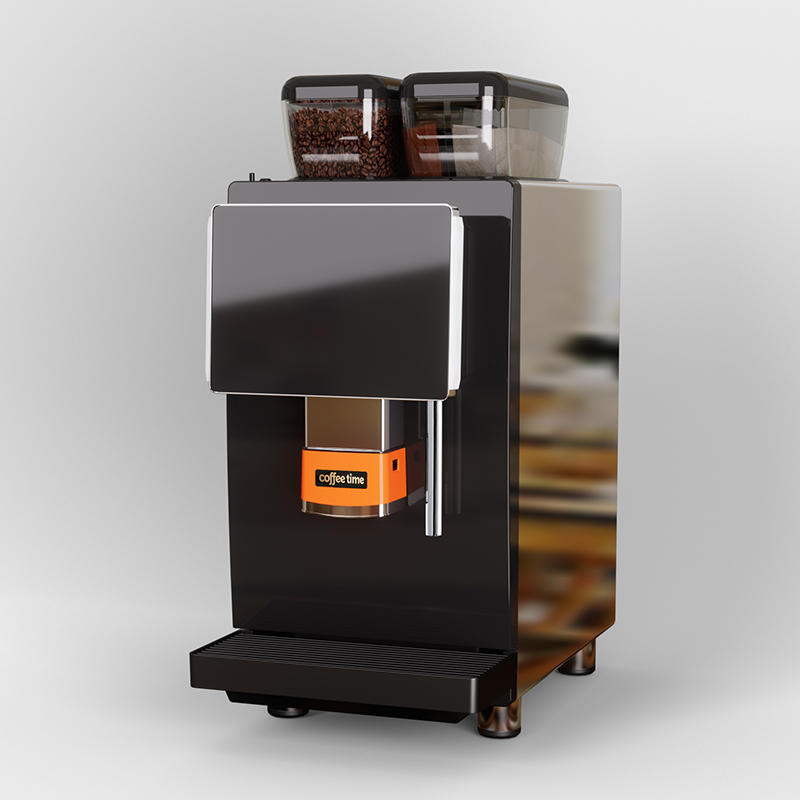
The manually adjustable cup mouth accommodates heights from 65 to 180 millimeters, fitting everything from short espressos to tall lattes. Options for single or double bean hoppers with milk configurations let you match the machine to your menu. With a recommended capacity exceeding 200 cups daily, this equipment handles demanding environments without breaking stride.
Every cup meets the same standard because the machine eliminates human variability. You reduce reliance on barista skill while actually improving output quality. That combination makes automation attractive for any serious coffee business.
Comparing Fully Automatic Models to Semi-Automatic Machines
The Barista's Role in Semi-Automatic Setups
Semi-automatic machines place control directly in your barista's hands. Your staff must grind beans, dose the basket, tamp with consistent pressure, and monitor extraction time for every single shot. Each step demands attention and practiced skill. A tired barista during the morning rush might rush the tamp. A distracted employee could misjudge the grind size after a humidity shift. These small errors compound into inconsistent drinks.
In semi-automatic espresso machines, consistency is heavily dependent on barista skill and attention; a tired or distracted barista will produce inconsistent shots. In contrast, super-automatic machines produce the same shot every time regardless of operator skill, ensuring consistent results even for untrained users. Furthermore, while a skilled barista can achieve higher quality on a semi-automatic, the average shot from a super-automatic is more consistent than the average shot from an untrained semi-automatic user.
Training also takes time. New staff members need weeks or months to develop the muscle memory for proper tamping and the sensory judgment for dialing in espresso. During that learning period, your customers receive variable quality. You also face higher labor costs because skilled baristas command higher wages.
Where Fully Automatic Machines Fit in the Market
Home super-automatic machines, such as the Philips LatteGo, serve a different purpose entirely. Manufacturers design them for light household use, not continuous commercial operation. They lack the durable components and high-capacity systems your business needs.
A fully automatic commercial espresso machine like the Coffee Time W4 occupies a distinct market position. Manufacturers engineer it for demanding environments, supporting over 200 cups daily. The W4's dual boiler system brews espresso and steams milk simultaneously, maintaining speed during peak service. Its 24 flavor selections let customers customize drinks without slowing your line.
Shot-to-shot consistency is ideal for household members with varying skill levels, indicating that fully automatic machines maintain consistency regardless of barista proficiency.
This machine offers a middle ground between manual artistry and home convenience. You gain the speed and uniformity of automation without sacrificing professional quality. The W4's high-rank flat metal grinders preserve bean freshness, while its programmable touchscreen ensures every drink matches your exact recipe. Your staff focuses on customer interaction rather than machine adjustments. For high-volume establishments, this balance between efficiency and quality makes the fully automatic commercial espresso machine a strategic choice.
What to Look for When Buying a Fully Automatic Commercial Espresso Machine
Capacity and Daily Output Requirements
Start your buying process by measuring your daily cup volume. Count every espresso-based drink you serve on an average day. Include rushes, slow periods, and seasonal spikes. This number determines the machine class you need.
A light cafe serving 50 cups daily might manage with smaller equipment. A busy restaurant pushing 200 or more cups needs commercial-grade engineering. The Coffee Time W4 supports over 200 cups per day. That capacity suits demanding environments without strain.
Consider your peak hours carefully. A machine rated for 200 cups across eight hours may struggle if 80 of those cups arrive between 7:30 and 9:00 AM. Look for dual boiler systems that brew and steam simultaneously. The W4's separate hot water and steam circuits let you pull shots while texturing milk at the same time. This parallel operation cuts drink dispensing time dramatically.
Think about your menu breadth too. A shop offering only espresso and Americanos needs less capacity than one serving lattes, cappuccinos, and flat whites. Milk-based drinks require more boiler power and longer steam cycles. Match your machine's output to your actual drink mix, not just your total cup count.
Programmability, Customization, and Total Cost
Programmability transforms a coffee machine from a simple appliance into a business tool. The W4 offers 24 flavor selections on its 10.1-inch touchscreen. Each selection stores a complete recipe: grind size, dose weight, water temperature, extraction time, and milk ratio. Your staff presses one button, and the machine reproduces that exact drink every time.
This programmability extends to cup sizes. The W4's manually adjustable cup mouth lifts from 65 to 180 millimeters. You can serve short espressos in demitasse cups or tall lattes in 16-ounce glasses without changing settings. The machine accommodates your glassware, not the other way around.
Consider your customization needs before purchasing. Do you offer seasonal drinks? The 24 flavor selections give you room to program core menu items plus rotating specials. Can customers request adjustments like extra shots or half-sweet syrup? Your machine should handle these variations without slowing your line.
Total cost of ownership matters more than the sticker price. Smaller fully automatic commercial espresso machine models start around $5,000. The W4 represents a higher investment, but its capacity and features justify the premium. Factor in maintenance costs, water supply options, and accessories when calculating your budget.
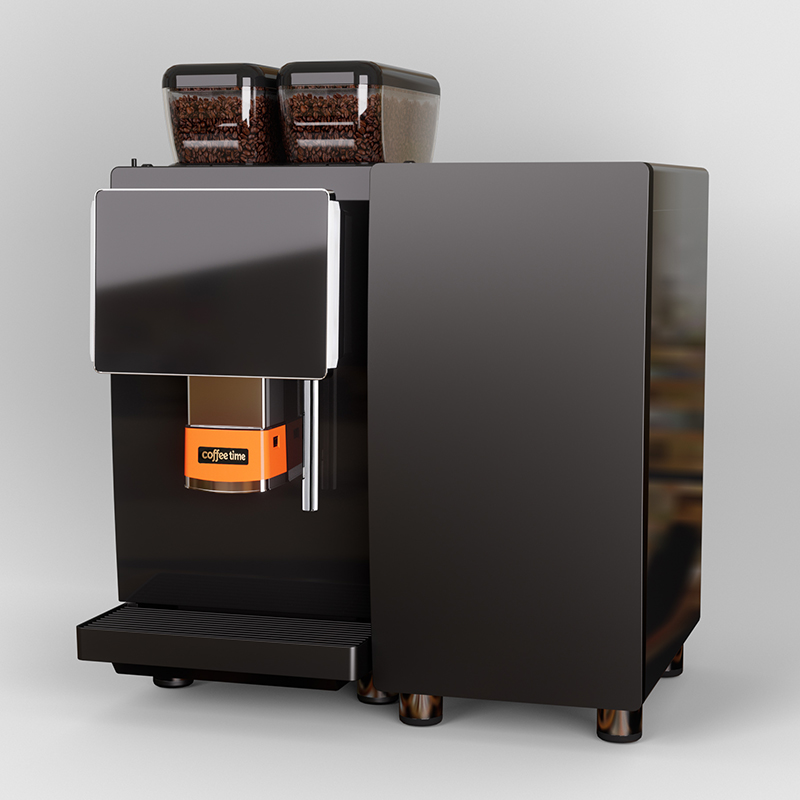
The W4 supports both direct tap water and barreled water supply. Direct plumbing eliminates the need to refill a reservoir manually. Barreled water works well for locations without easy plumbing access. An optional external water pump connects purified water barrels for consistent mineral content. A fresh milk chiller keeps milk at optimal temperature, preserving in-cup quality during busy service.
Your return on investment follows a clear pattern. According to TFI Canada's commercial espresso machine buyer's guide, premium coffee programs achieve 80% or higher gross profit margins. The typical payback period for commercial espresso machines ranges from 6 to 12 months. These figures apply to commercial equipment generally, but they demonstrate the financial case for automation.
A machine that produces consistent quality reduces waste. You throw away fewer poorly extracted shots. You train staff faster. You serve customers quicker. These operational savings compound daily, shortening your payback period and improving your bottom line.
Maintenance Tips for Your Fully Automatic Commercial Espresso Machine
Daily Cleaning and Descaling Routines
The Coffee Time W4 simplifies daily upkeep through thoughtful design. You remove the grinder, brewing unit, and bean hopper without tools. These components rinse under warm water in minutes. This accessibility encourages consistent cleaning habits among your staff.
Coffee oils accumulate quickly in brewing chambers. These residues turn rancid and alter flavor profiles. A quick rinse after each service period prevents buildup. You also empty the 2L drip tray and 3L waste bucket as they fill. These simple actions maintain hygiene standards that customers notice in every cup.
Descaling requires attention to your water source. Direct tap water introduces minerals that scale internal components over time. Barreled water reduces this risk substantially. You can also connect the optional external water pump to purified water barrels. This setup maintains consistent mineral content and extends intervals between descaling cycles.
The W4 includes an automatic alarm system that alerts you when maintenance becomes necessary. This feature removes guesswork from your routine. You know exactly when to descale or clean rather than estimating based on vague timelines. The built-in cleaning function then guides you through the process step by step.
Preventive Care and Professional Servicing
Daily cleaning handles surface residue, but internal components need deeper attention. Seals wear down. Boiler elements accumulate scale. Steam wands develop blockages. These issues progress slowly without obvious symptoms until performance drops noticeably.
Schedule professional servicing annually. A qualified technician inspects internal seals, boiler connections, and heating elements. They replace worn parts before failures occur. This preventive approach costs less than emergency repairs during peak season. It also prevents unexpected downtime that disrupts your service.
Your staff plays a role in preventive care too. They should monitor extraction times and milk texture daily. Sudden changes often signal developing problems. A shot extracting too quickly might indicate grinder burr wear. Thin milk foam could suggest steam wand blockage. Catching these signs early lets you address minor issues before they escalate.
The W4's removable components make technician access straightforward. Your service provider reaches internal systems quickly without disassembling the entire frame. This design reduces labor costs during maintenance visits. It also shortens the time your machine spends offline.
Looking for a Reliable Commercial Coffee Machine Manufacturer & OEM/ODM Partner?
Coffee Time specializes in fully automatic commercial espresso coffee machines with over 20 years of manufacturing experience. Our product line covers W4, W5, W6 and P2000 series bean-to-cup machines, supporting fresh milk options and up to 24 drink recipes. We provide full ODM/OEM customization on structure, UI software, functional modules, appearance branding and packaging. With 100+ patents, a modern production base and global after-sales network covering 100+ countries, we serve distributors, brand wholesalers, hotel chains, convenience stores and HoReCa operators worldwide. Free samples are available (customer bears shipping cost). All products comply with CE, FCC and other international certifications.
A well-maintained fully automatic commercial espresso machine serves consistently for years. You protect your investment through daily habits and annual professional checks. This combination keeps your equipment performing at its best during every service period.
The Coffee Time W4 streamlines your operations. It reduces labor costs and ensures uniform quality. This machine becomes a strategic investment for high-volume businesses. Match its capacity to your daily output. Consider your menu complexity too. The W4 supports over 200 cups per day with 24 flavor selections. This combination handles demanding environments effectively. Schedule a hands-on demo today. Experience the ease of use firsthand. Taste the consistent coffee quality for yourself. Automation lets your staff focus on customer engagement. They can handle other value-added tasks during service. This approach elevates the overall coffee experience. Your customers notice the difference in every cup.
FAQ
How does coffee quality compare to semi-automatic machines?
The W4 produces consistent, high-quality espresso every time. Precise grinders and a dual boiler system match professional standards. Many customers cannot tell the difference between an automated shot and one made by a skilled barista.
How many cups can the W4 serve daily?
The W4 supports over 200 cups per day. This capacity suits busy cafes, restaurants, and hotels. The dual boiler system brews and steams simultaneously, keeping your line moving during peak hours.
What maintenance does the W4 require?
Daily cleaning takes minutes. You remove the grinder, brewing unit, and bean hopper without tools. The automatic alarm system alerts you when descaling or deeper cleaning becomes necessary. Annual professional servicing keeps internal components running smoothly.
Can customers customize their drinks?
Yes. The W4 offers 24 flavor selections on its touchscreen. You program each drink recipe. The adjustable cup mouth accommodates heights from 65 to 180 millimeters, fitting everything from short espressos to tall lattes.
What is the total cost of ownership?
Initial investment varies by model. You must factor in water supply options and accessories like a fresh milk chiller. Consistent quality reduces waste. Faster training lowers labor costs. Most commercial machines achieve payback within 6 to 12 months.