You might see espresso coffee machine prices ranging from under $200 to up to $4,000. That wide gap can feel confusing. The cost depends on the machine's type, build quality, and features. A basic model with simple controls costs less than a commercial unit with smart technology. Your choice should match your needs, not just your wallet. This guide helps you understand what drives those price differences. You will learn about the main price tiers and what each level offers. You will also discover practical tips for choosing a machine that fits your budget. With this knowledge, you can compare options with confidence and find the right espresso coffee machine for your home or business.
Key Takeaways
Espresso machines cost between $100 and over $4,000 based on type and build quality.
Budget machines under $300 work for beginners but need more maintenance.
Mid-range machines from $300 to $1,000 offer better temperature control and durability.
Always include long-term costs like cleaning and repairs when setting your budget.
Match your machine to your skill level, not just the price tag.
Espresso Coffee Machine Price Ranges
Budget Models (Under $200)
Budget espresso machines offer an accessible entry point for beginners. These models are priced under $200, with models like the AMZCHEF 20 Bar Espresso Machine at $169. This machine delivers enough pressure for decent crema. It includes a steam wand for milk frothing. You will not get advanced features like built-in grinders or programmable settings. The build quality uses more plastic components. These machines work well for occasional use. You can pull one or two shots per day without issues. The heating system takes longer to reach optimal temperature. You may need to wait a few minutes between shots. Many budget models include a pressurized portafilter. This design helps beginners achieve consistent results. It creates artificial crema even with pre-ground coffee. You will need to purchase a separate grinder. Pre-ground coffee loses flavor quickly. Your total investment can be modest. This machine suits dorm rooms or small apartments. You sacrifice temperature stability and durability. They lack the heavy brass boilers found in expensive units. You should expect to descale these machines regularly. Hard water can clog the internal tubes quickly. Consider your long-term coffee goals before choosing this tier.
Mid-Range Options ($300 - $1,000)
Mid-range espresso coffee machines bridge the gap between entry-level and professional equipment. You will find better build quality and more features in this price bracket. The MILESTO EM-18 Home Espresso Coffee Machine costs $349. This machine offers a stainless steel body and more consistent temperature control. You get a commercial-style portafilter that accepts standard accessories. The steam wand produces finer microfoam for latte art. Some models include a built-in grinder, saving counter space and ensuring fresh grounds for every shot. You can adjust the grind size to match your preferred roast. Mid-range machines use brass or aluminum boilers. These materials hold heat better than budget alternatives. You will notice improved shot consistency and fewer temperature fluctuations. Many models include programmable shot volumes. You can save your preferred extraction time for repeatable results. The pressure gauge shows you the extraction pressure in real time. This feedback helps you dial in your grind and dose. Some machines offer pre-infusion functionality. This feature wets the coffee grounds before full pressure. It extracts more flavor and reduces channeling. You will also find removable water tanks and drip trays. These parts make cleaning easier. Replacement parts remain available from manufacturers. You can upgrade accessories like baskets and tampers. This tier suits home baristas who want serious espresso without commercial prices. You will still need a quality grinder for best results. The built-in grinders on some models work adequately for most users. You can produce cafe-quality drinks with practice and fresh beans.
High-End and Commercial Machines
Prosumer and Semi-Professional ($1,500 - $4,000)
Prosumer machines deliver serious performance for dedicated home baristas. You get commercial-grade components without the full commercial price tag. These machines feature brass boilers, rotary pumps, and precise temperature control. They produce shots that rival your favorite coffee shop.
The price range for this tier varies widely. You can find excellent options for under $2,000. Many prosumer machines fall between $2,500 and $4,000. The Lelit MaraX costs $1,699. This machine uses a heat-exchange boiler system. It maintains stable brewing temperatures even during back-to-back shots. The compact footprint fits most kitchen counters. You also get a commercial-style portafilter and steam wand.
Prosumer machines last longer than mid-range options. Replacement parts remain available from manufacturers. Many users upgrade baskets, tampers, and other accessories over time. This tier represents a solid investment for coffee enthusiasts.
Commercial-Grade and Luxury ($3,000+)
Commercial machines handle the demands of busy cafes and restaurants. These units brew hundreds of cups daily. They feature multi-boiler systems, advanced electronics, and heavy-duty construction. You pay for durability, speed, and consistency.
Commercial espresso coffee machine prices reflect their capabilities. You invest in reliability, speed, and advanced technology. For high-volume operations, this investment pays off through consistent quality and reduced downtime. Choose this tier when your business demands professional performance every single day.
Key Factors That Influence Price
Machine Type and Build Quality
The type of machine you choose drives the price more than any other factor. Manual machines require you to control every step of the brewing process. You manage the water temperature, pressure, and extraction time yourself. The 9Barista Stovetop Espresso Machine Mk.2 costs $935.00. This manual device uses stovetop heat to generate pressure. You get full control but must learn the craft. Semi-automatic machines handle water flow and pressure for you. You still control the grind, dose, and tamp. These machines dominate the mid-range and prosumer tiers. Super-automatic machines do everything at the push of a button. They grind, tamp, brew, and even froth milk automatically. The Melitta Avanza proves you can find a functional super-automatic under $500. It delivers decent coffee quality and automatic milk frothing. However, most super-automatics cost between $1,000 and $5,000 or more. The convenience of automation carries a premium price.
What matters is having a stable 9 bar pressure, every single time. The grinder sets your quality ceiling. The machine just helps you reach it.
Build quality also shapes the final cost. Machines with plastic housings cost less to produce. They also transfer heat poorly and feel less durable. Metal panels and brass boilers raise the price but improve performance. The table below shows how materials affect pricing across popular models.
More affordable but still benefits from brand quality
A brass boiler holds heat far better than an aluminum one. This stability means your shots extract at the correct temperature. You also get a machine that lasts longer. Cheaper units may need replacement after a few years. A well-built machine can serve you for a decade or more.
Brand, Features, and Technology
Brand reputation adds a noticeable amount to the sticker price. Established manufacturers charge more because you pay for proven reliability. You also get better customer support and easier access to replacement parts. A lesser-known brand might offer similar specs for less money. You take a risk on quality and service.
Features and technology push prices upward quickly. A built-in grinder saves counter space and ensures fresh grounds. This convenience adds to the cost. Milk frothers and steam wands range from basic to fully automatic. Touchscreens represent the biggest price jump. The Bosch Fully Automatic Espresso Machine TQU60705 features a large touchscreen display and costs $1,499.00. Some commercial machines take this further with a programmable touchscreen. Smart connectivity adds another layer of cost. IoT functionality lets you monitor the machine remotely. You can adjust settings from your phone or manage multiple locations. These features benefit commercial operations but add hundreds of dollars. Automatic cleaning cycles and self-diagnostics also raise the price. They reduce maintenance time and prevent costly breakdowns.
Every feature you add increases the complexity of the espresso coffee machine. More parts mean more engineering and more potential failure points. Manufacturers pass these costs to you. You must decide which features truly matter for your situation. A home user rarely needs IoT monitoring. A busy cafe cannot operate without it. Choose the features that solve your specific problems. Skip the ones that sound impressive but add little value. This approach keeps your budget focused on what improves your coffee experience.
Choosing Your Ideal Espresso Coffee Machine
Prioritizing Features vs. Build Quality
Your skill level and how often you will use the machine should guide your choice. A beginner often benefits from a super-automatic machine. It handles grinding, tamping, and brewing automatically. The KitchenAid KF6, for example, offers 15 programmed recipes and a built-in grinder for under $1,000. This machine simplifies the process. You can make consistent drinks without much practice. For enthusiasts who want control, a manual or semi-automatic machine is better. These machines let you adjust every variable. Some machines use volumetric dosing, which measures water automatically. This feature helps beginners get consistent shots. Other machines require manual control, like the Rocket Boxer. A skilled barista can fine-tune extraction. The choice depends on your coffee goals. If you want to learn, invest in a machine with solid build quality. A brass boiler and metal housing cost more but last longer. Plastic components reduce the price but may affect performance over time. You must decide which matters more: convenience or durability.
Factoring in Long-Term Costs
The purchase price is only part of the total cost.
Ignoring total cost of ownership is a mistake. Factor in maintenance costs, descaling solution, cleaning supplies, and potential repairs when comparing budgets.
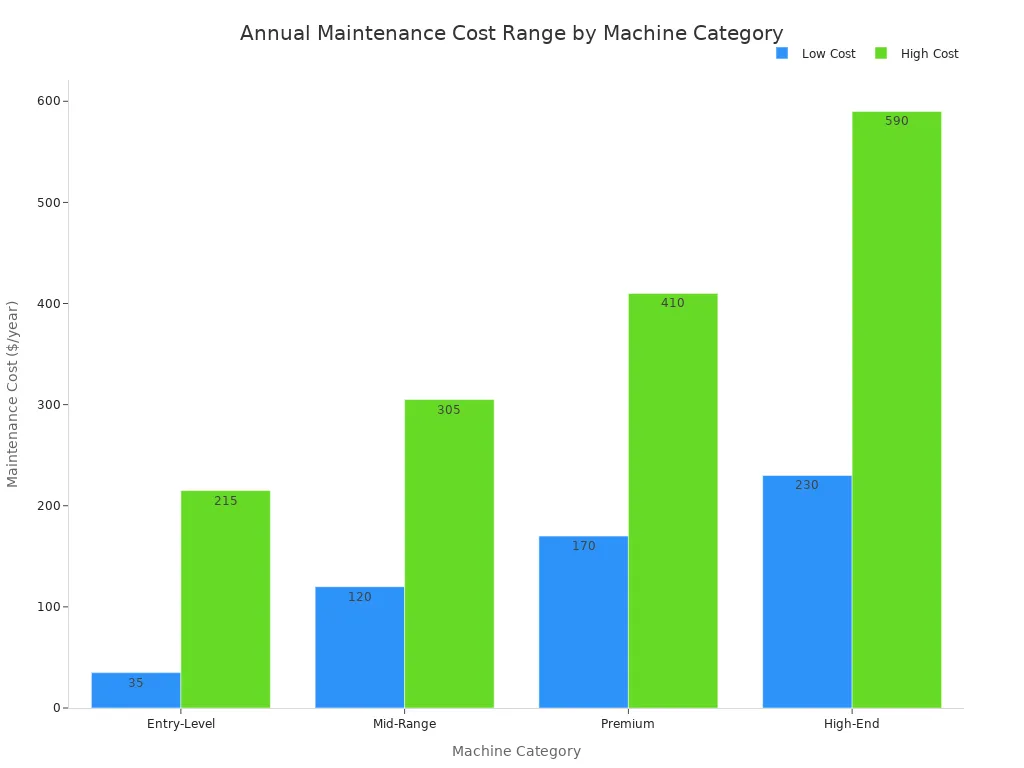
You also need accessories like a grinder, tamper, and knock box. These add to your initial investment. Water filters, cleaning products, and replacement gaskets are ongoing expenses. The table below shows annual maintenance costs for different machine categories.
Machine Category
Annual Maintenance Cost Range
Key Cost Components
Entry-Level ($200-400)
$35-215/year
Descaling, cleaning, gaskets, parts, professional service
Mid-Range ($400-800)
$120-305/year
Descaling, cleaning, gaskets, parts, professional service
Premium ($800-1500)
$170-410/year
Descaling, cleaning, gaskets, parts, professional service
High-End ($1500+)
$230-590/year
Descaling, cleaning, gaskets, parts, professional service
Using filtered water and performing your own maintenance can reduce these costs by 50% or more. You can also choose to lease the machine instead of buying it. Leasing preserves working capital and offers predictable monthly payments. But buying outright is cheaper in the long run. Consider the machine as a long-term investment. The best espresso coffee machine fits your budget, skill level, and usage frequency. A cheap machine may cost more over time due to repairs and poor coffee quality. Take time to research and compare models. Your choice will impact your daily coffee experience for years.
You now understand the full spectrum of espresso coffee machine prices. Budget models start under $200. Mid-range options cost between $300 and $1,000. Prosumer machines range from $1,500 to $4,000. Commercial units often exceed $3,000 and are built for high-volume use.
The most expensive machine does not always suit your needs. A beginner might prefer a super-automatic for convenience. An enthusiast might value manual control. Your skill level and usage frequency matter more than the price tag.
Use this guide to compare specific models. Research features that solve your problems. Set a realistic budget that includes maintenance costs. Then choose with confidence. Your perfect espresso machine awaits.
Looking for a Reliable Commercial Coffee Machine Manufacturer & OEM/ODM Partner?
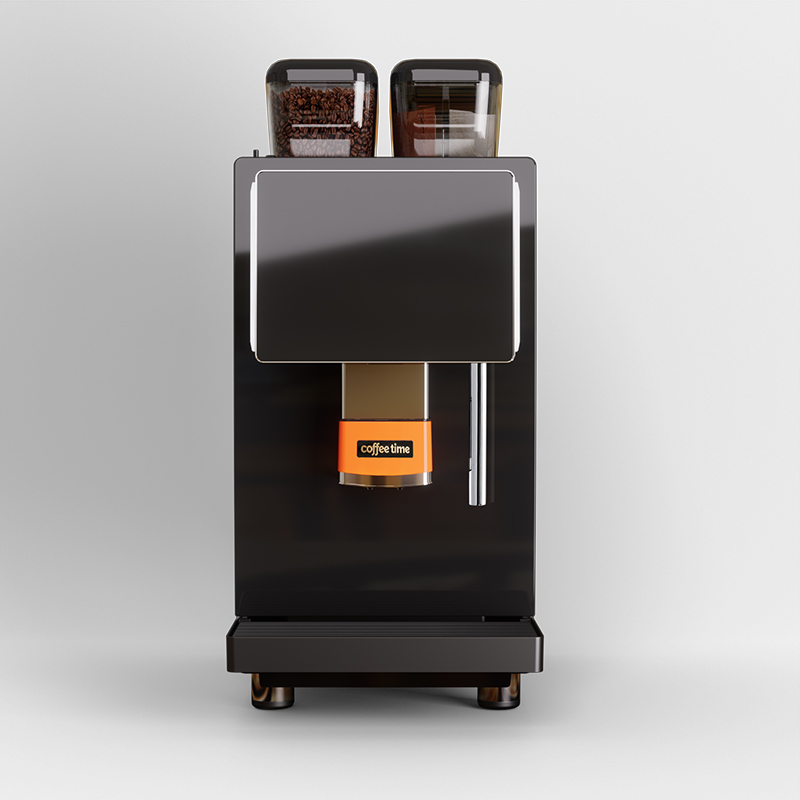
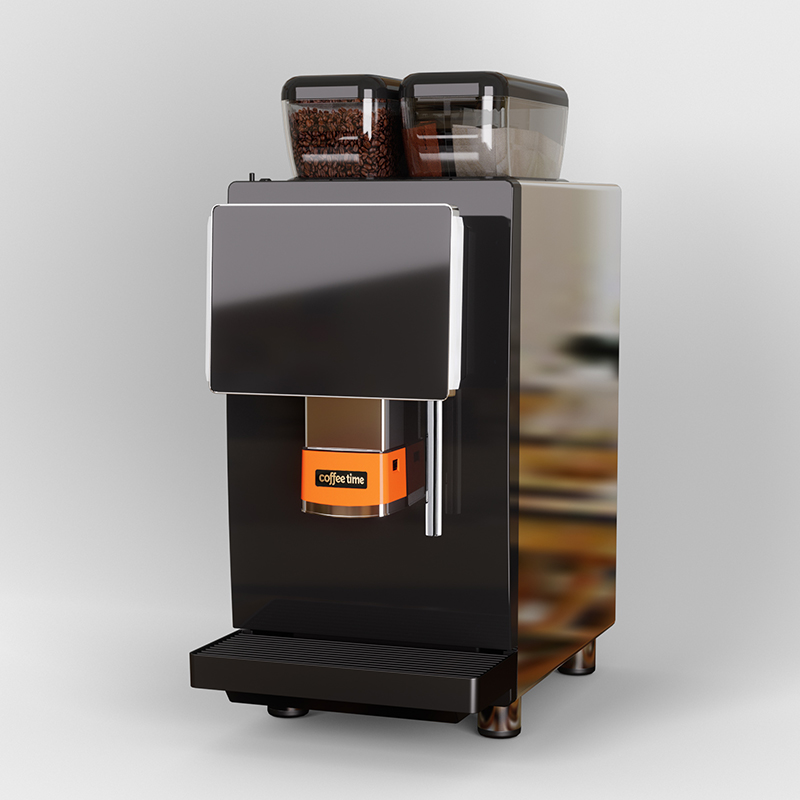
Coffee Time specializes in fully automatic commercial espresso coffee machines with over 20 years of manufacturing experience. Our product line covers W4, W5, W6 and P2000 series bean-to-cup machines, supporting fresh milk options and up to 24 drink recipes. We provide full ODM/OEM customization on structure, UI software, functional modules, appearance branding and packaging. With 100+ patents, a modern production base and global after-sales network covering 100+ countries, we serve distributors, brand wholesalers, hotel chains, convenience stores and HoReCa operators worldwide. Free samples are available (customer bears shipping cost). All products comply with CE, FCC and other international certifications.
Why do espresso coffee machine prices vary so much?
The price reflects the machine's type, build quality, and features. Budget models under $200 use plastic parts and basic heating systems. Mid-range machines from $300 to $1,000 add metal boilers and better temperature control. High-end units exceed $3,000 with commercial-grade components and smart technology.
Is a more expensive espresso machine always better?
No. The best machine matches your skill level and usage frequency. A beginner might prefer a super-automatic under $1,000 for convenience. An enthusiast might value manual control in a prosumer model. You pay for durability and features, not necessarily better coffee.
What hidden costs should I consider?
You need a grinder, tamper, and cleaning supplies. Annual maintenance ranges from $35 for entry-level machines to $590 for high-end models. Water filters and descaling solutions add ongoing expenses. Factor these costs into your budget before purchasing.
How do I choose between manual, semi-automatic, and super-automatic?
Manual machines give you full control but require practice. Semi-automatic machines handle water flow while you control grinding and tamping. Super-automatic machines do everything at the push of a button. Your skill level and patience determine the right choice.
Can a budget machine produce good espresso?
Yes, with the right expectations. Budget models under $200 can make decent shots with pre-ground coffee and pressurized portafilters. You sacrifice temperature stability and durability. These machines work well for occasional use but may need replacement within a few years.