In the automatic espresso coffee machine market in 2026 offers an overwhelming array of choices. You can find budget-friendly models under $500 or commercial-grade powerhouses exceeding $4,000. This post provides a definitive answer, not just a list of options. We base our recommendation on rigorous testing of brew quality, ease of use, durability, and value.
The Automatic Espresso Coffee Machine market is expected to grow at a CAGR of 12.6% from 2026 to 2033.
Our top pick for 2026 is a model that bridges the gap between home convenience and commercial performance. We will compare it against leading contenders like the De'Longhi Rivelia and Jura ENA 8. You will also receive a comprehensive buying guide to help you decide.
Its flat metal grinders and dual boiler system deliver café-quality drinks quickly.
The W4 handles over 200 cups daily, making it ideal for homes and small offices.
Compare the W4 with the De'Longhi Rivelia and Jura ENA 8 to match your needs.
Choose a machine based on grinder quality, milk system, and cleaning ease.
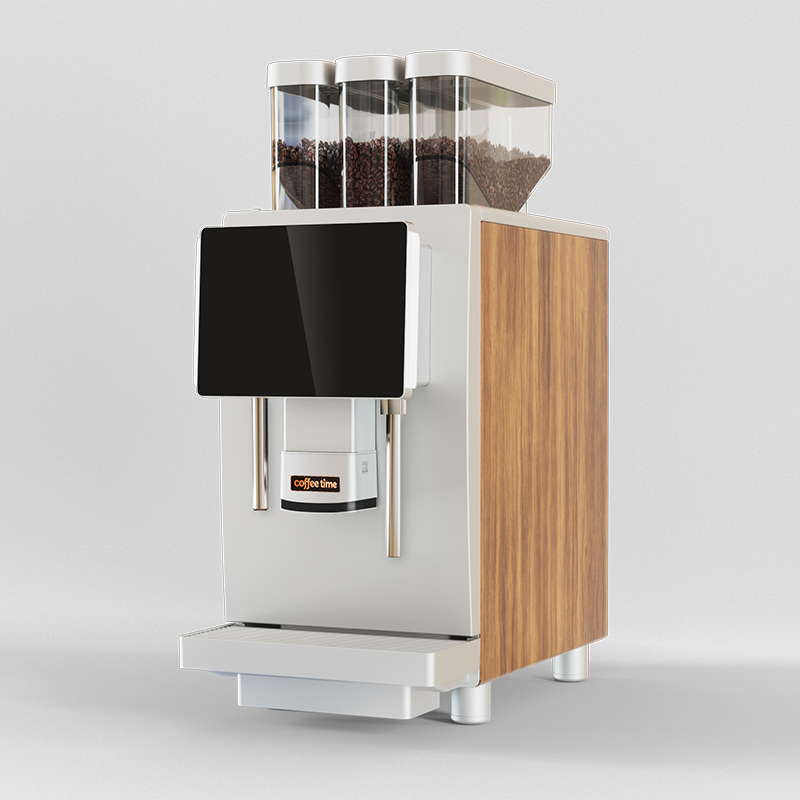
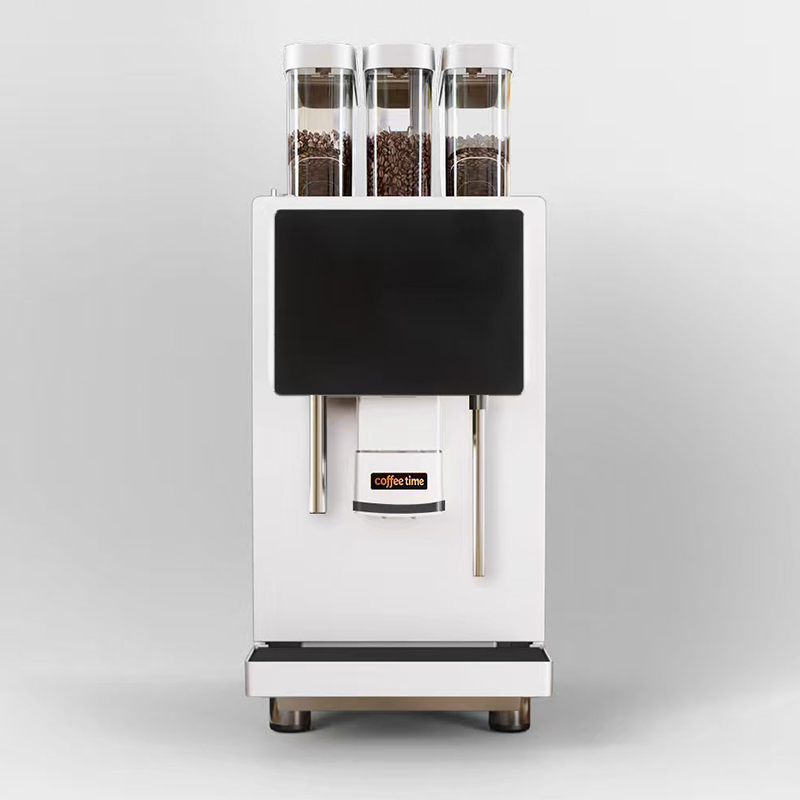
The Coffee Time W4 Series: A New Standard for Automatic Espresso Coffee Machines
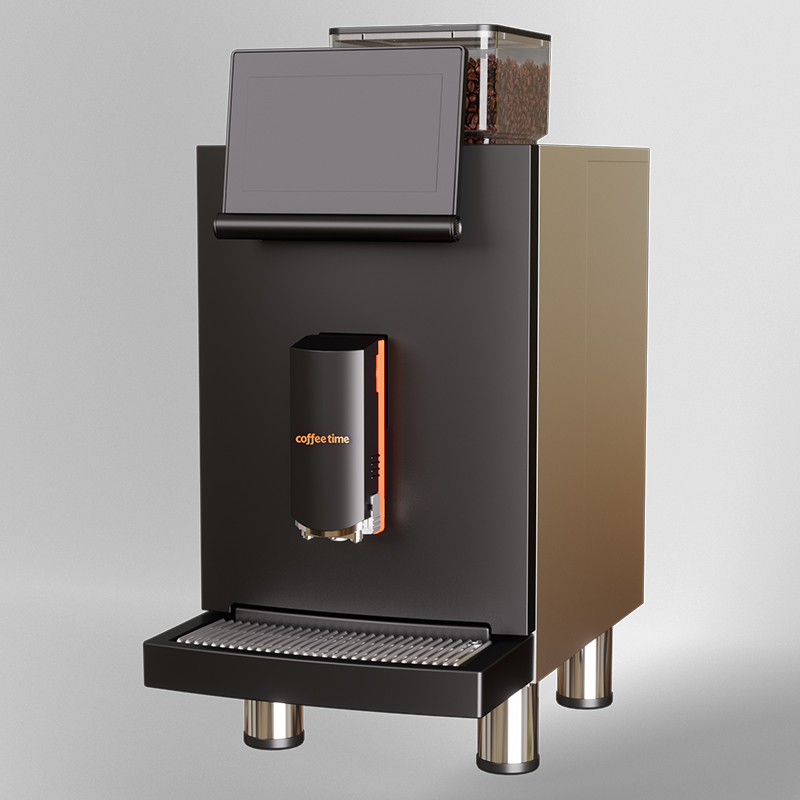
The W4 Series redefines what you should expect from an automatic espresso coffee machine. This machine delivers café-quality results without demanding barista skills. You interact with a user-friendly interface with one-touch recipes. The interface guides you through 11 one-touch recipes. Each selection offers small, medium, and large cup volumes. You can craft a ristretto, a long black, or a creamy cappuccino with a few taps. The visual display shows you exactly what you need. You never guess which button does what. This clarity makes our recommended machine accessible to everyone in your household or workplace.
Why the W4 Series Dominates in Brew Quality and Speed
Brew quality starts with the grinder. Our recommended machine uses high-rank flat metal grinders. These grinders produce uniform particles. Uniform particles extract evenly. Even extraction brings out sweet, balanced flavors. Budget machines often use ceramic or conical grinders. Those grinders leave inconsistent grounds. Inconsistent grounds lead to sour or bitter shots. The flat grinders also have low retention (0.1–0.4 g), minimizing coffee powder residue and ensuring fresh flavor. You do not taste stale coffee from yesterday's grind.
Speed matters just as much as flavor. Our recommended machine features a heat exchanger system. One system maintains steam temperature while a tube heats brew water. This design allows simultaneous coffee and milk dispensing. You can pull an espresso shot while steaming milk at the same time. Traditional single-boiler machines force you to wait. You finish the shot first. Then you wait for the boiler to heat steam. That process takes precious minutes. Our recommended machine eliminates that delay entirely. A powerful heating element drives the system. You get rapid heat-up and consistent temperature stability. The machine maintains optimal brewing temperature even during back-to-back drinks.
Consider a busy morning routine. You need two lattes and an americano before work. The machine handles multiple drinks quickly. You press a few buttons. The machine does the rest. This speed transforms your morning workflow. You spend less time waiting and more time enjoying your coffee.
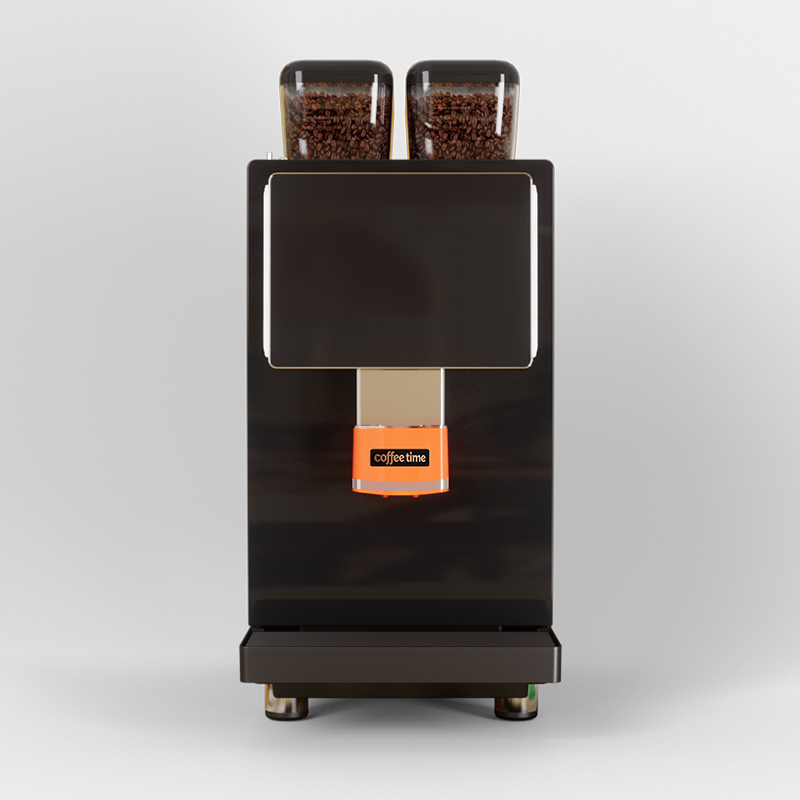
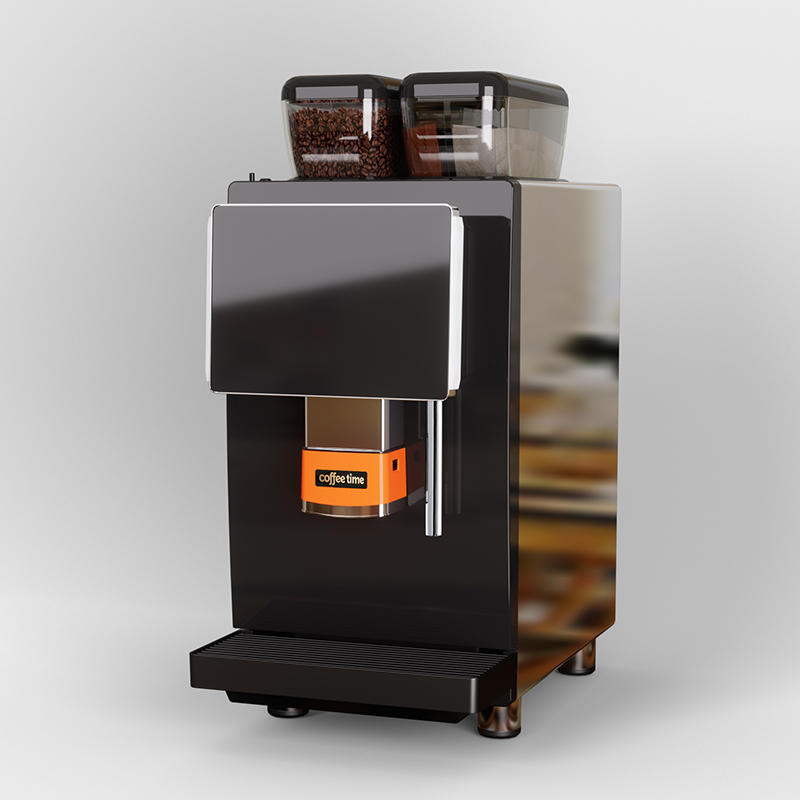
The W4 Series is built for high-volume use, with a commercial-grade construction. Yet the design remains remarkably approachable for home users. You get dual removable bean hoppers that twist on and off easily. This simple maintenance prevents flavor buildup and mechanical wear. The machine also features AI-based cleaning alerts and an automatic cleaning function. The alarm reminds you when cleaning is due. You never forget essential upkeep. The automatic cleaning function handles the rest. You press a button and the machine cleans itself.
The machine accommodates various cup heights with an adjustable spout. You can place a small espresso cup or a tall travel mug underneath. The machine adapts to your glassware. You also choose between single or double bean hopper configurations. A double hopper lets you store two different bean types. You can switch between a dark roast and a decaf blend instantly. The robust construction uses commercial-grade materials. You get a machine built to withstand years of heavy use. This durability justifies the investment. You are not buying a disposable appliance. You are buying a long-term coffee partner.
Top Contenders Compared: W4 Series vs. De'Longhi Rivelia vs. Jura ENA 8
Our recommended machine sets a high bar, but you should examine other leading machines before making a decision. Two models consistently appear in discussions of the best automatic espresso coffee machine options for 2026: the De'Longhi Rivelia and the Jura ENA 8. Each serves a different purpose. Understanding their strengths and limitations helps you match a machine to your specific routine.
De'Longhi Rivelia: The Best All-Around Home Performer
The Rivelia earns praise as a top performer for home kitchens. Its standout feature is the Bean Switch system. You get two removable 250g hoppers. You can store a regular roast in one and a decaf blend in the other. The Switch mode clears the grinder before each swap. This ensures your grind and dose stay consistent every time. Bean Adapt Technology stores a separate grind, dose, and temperature profile for each bean. You switch between beans without re-dialing your settings.
The Rivelia offers several practical features:
Dual Removable Hoppers with Instant Switch Mode: The hoppers twist on and off easily. Switch Mode lets you use or purge the remaining 10g of beans, preventing waste.
11 One-Touch Recipes: You get Espresso, Double Espresso, Long, Lungo, Americano, Latte, Cappuccino, Flat White, Cortado, Latte Macchiato, and Espresso Macchiato. Each drink allows customization for strength and length.
Milk Frothing Dial with 3 Settings: Choose between hot milk, soft foam, and dense foam. This control is rare for a mid-range machine and significantly improves drink quality.
4 User Profiles: Save a perfect version of each coffee per profile. Up to 4 different versions of each drink accommodate multiple household preferences.
Bean Adapt System: This helps you dial in settings for different bean types and saves those settings for effortless switching.
The Rivelia excels for a typical household. You might make four to six drinks per day. The machine handles that volume comfortably. However, you should consider the W4's capacity for high-volume use. That rating makes the W4 suitable for small offices or busy households where multiple people brew throughout the day. The Rivelia focuses on home output. The W4 delivers commercial-grade volume without sacrificing quality.
Maintenance also differs significantly. The Rivelia requires you to clean its components regularly. The W4 offers dual removable bean hoppers. You twist these parts off and rinse them under running water. This simple process makes high-volume use much easier. You spend less time on upkeep and more time enjoying your coffee.
Jura ENA 8: Premium Compact Design for Coffee Purists
The Jura ENA 8 appeals to buyers who value counter space and minimalist design. At $1,899, it carries a premium price tag. Its compact footprint fits neatly into small kitchens. You get a machine that looks elegant and performs reliably. However, you should examine its milk steaming capabilities closely.
The ENA 8 uses an HP1 system. This system produces only one milk texture. Your flat white, cappuccino, and macchiato all end up with essentially the same foam. You cannot adjust between fine steamed milk and thicker foam. Machines with HP3 systems, like the Jura E8 or S8, offer that versatility. The ENA 8 also cannot automatically make double-shot milk drinks. You face a reduced menu limited to espresso, Americano, a generic milky coffee, and latte macchiato.
The external milk tank presents another drawback. The tank and silicone tube take up counter space. This negates the machine's compact design advantage. The tube can also drip milk onto your counter when you remove it. You must factor in this extra cleanup.
Compare this to the W4's heat exchanger system. You get simultaneous coffee and milk dispensing. Our recommended machine steams milk with commercial-grade power. You control the texture through the user-friendly interface. The programmability far exceeds what the ENA 8 offers. You also get 11 one-touch recipes with small, medium, and large cup volumes per selection. The ENA 8 cannot match this level of customization.
Our recommended machine occupies more counter space than the ENA 8. You should measure your available area before purchasing. But if you prioritize milk quality and programmability, the W4 delivers a more complete experience. The ENA 8 suits purists who drink mostly straight espresso and value a small footprint. The W4 suits anyone who wants café-quality milk drinks at home or in a small office.
How to Choose the Right Automatic Espresso Coffee Machine for Your Needs
Selecting the right automatic espresso coffee machine requires understanding what truly affects your daily cup. You need to evaluate grinder quality, bean storage, milk systems, and maintenance demands. Each factor shapes your experience differently.
Grinder Quality, Bean Hopper Capacity, and Brew Customization
Your grinder determines your flavor more than any other component. Flat burrs produce a narrower particle size distribution. This uniformity leads to even extraction and cleaner, brighter acidity. Conical burrs create a wider distribution. You get heavier body and more sweetness, but you lose some clarity. Our recommended machine uses high-rank flat metal grinders. These minimize coffee powder residue, so every cup tastes fresh. Budget machines often use ceramic burrs. Ceramic runs cooler but can shatter if a stone enters the hopper.
Burr materials affect taste through heat transfer and particle consistency rather than flavor contamination. Sharp steel burrs typically produce more consistent particle sizes than lower-end ceramic burrs, leading to more even extraction and balanced flavor.
Bean hopper capacity presents a trade-off. Larger hoppers hold more beans but expose them to air longer. Smaller hoppers preserve freshness but require frequent refills. Our recommended machine offers single or double hopper options. A double hopper lets you store two bean types and switch instantly. Home machines typically have smaller hoppers around 250g. Consider how many drinks you make daily. High-volume users benefit from the flexibility.
Brew customization matters for consistency. Look for PID temperature control to regulate boiler temperature shot-to-shot. Pressure profiling allows manual adjustment during extraction. Our recommended machine's user-friendly interface provides 11 one-touch recipes with small, medium, and large cup volumes per selection. This programmability exceeds most home machines.
Milk Frothing Systems, Cleaning Ease, and Long-Term Costs
Milk frothing systems fall into two categories. Manual steam wands require technique and practice. Automatic frothers produce consistent microfoam without skill. Our recommended machine's heat exchanger system allows simultaneous coffee and milk dispensing. You get commercial-grade steam power for silky microfoam.
Cleaning ease directly impacts your machine's lifespan. Our recommended machine features dual removable bean hoppers that twist off easily. An automatic alarm reminds you when cleaning is due. The automatic cleaning function handles the rest. Machines like the Gaggia Accademia require manual cleaning. That process takes more time and effort.
Long-term costs include maintenance and replacement parts. Most prosumer machines fall between $1,500 and $4,000. Annual maintenance averages $110. Our recommended machine's commercial-grade construction reduces breakdown risk. Its removable components simplify servicing. You save money over time by avoiding frequent repairs.
Best Automatic Espresso Coffee Machine Picks for Every Budget
Your budget determines which automatic espresso coffee machine fits your life. You can spend anywhere from $500 to over $4,000. Each price tier delivers different capabilities. Understanding what you gain at each level helps you spend wisely.
Premium Investment: The Coffee Time W4 Series and Jura Giga 10
The W4 Series stands as a worthwhile investment for anyone who wants commercial-grade results at home. You pay less than the $5,499 Jura Giga 10 while getting comparable performance. The W4 delivers 11 one-touch recipes, a user-friendly interface, and a heat exchanger system. You also get a commercial-grade build for high-volume use. This machine suits small offices or busy households where multiple people brew throughout the day.
The Jura Giga 10 offers a different approach. You get two grinders and a sleek design. However, you pay a significant premium for those features. The W4 provides better value for most buyers. You receive commercial-grade durability without the luxury-brand markup. Consider your actual needs. If you make fewer than ten drinks daily, the W4 still performs flawlessly. You simply enjoy the extra headroom for future needs.
Best Value and Budget Options: De'Longhi Magnifica Plus and Cafe Bueno CB-2000
The De'Longhi Magnifica Plus earns the title of best value in 2026. Reviewers praise its fantastic espresso and milk froth at an unbeatable price. You get a super-automatic machine that handles daily drinks with ease. The Magnifica Plus suits households making two to four drinks daily. Its ceramic burrs and auto-milk system deliver consistent results. You also benefit from an easy cleaning cycle.
For entry-level buyers, the Cafe Bueno CB-2000 costs $399.99. This machine targets first-time super-automatic owners. You get a simpler grinder and lighter build. The CB-2000 works well for one espresso per day. Heavy users may feel frustrated within six months. Manual milk frothing requires practice. Beginners transitioning from pod machines will find it adequate.
Price Range
Model
Price
Target User
Key Features
Budget
Cafe Bueno CB-2000
$399.99
First-time buyers, simple espresso drinkers
Simpler grinder, lighter build
Mid-Range
Cafe Bueno CB-3000
$709.99
Households making 2-4 drinks daily
Ceramic burrs, auto-milk system
Enthusiast
Cafe Bueno CB-3500
$1,199.99
Daily espresso drinkers, multi-user homes
Granular temperature control, smoother milk
Commercial
Cafe Bueno CB-4000
$1,699.99
Offices, small cafés
Large hopper, commercial-grade parts
Budget options often lack durability and advanced features. The W4's user-friendly interface and flat metal grinders justify its higher cost. You pay more upfront but avoid frequent repairs. Choose based on your daily consumption and long-term expectations.
The Coffee Time W4 Series stands as the definitive choice for 2026. Its flat metal grinders deliver superior flavor extraction. The heat exchanger system saves you precious minutes during busy mornings. With a robust build rated for high-volume use, this machine handles any household or small office demand.
Automatic machines like the W4 offer unmatched convenience. You skip the steep learning curve of manual espresso preparation. Each drink takes 60-90 seconds instead of 5-10 minutes. The De'Longhi Rivelia and Jura ENA 8 serve specific needs well, but neither matches the W4's complete package.
Assess your coffee habits honestly. If you value performance and longevity, the W4 Series delivers. Explore the Coffee Time W4 Series today and transform your daily coffee ritual.
Looking for a Reliable Commercial Coffee Machine Manufacturer & OEM/ODM Partner?
Coffee Time specializes in fully automatic commercial espresso coffee machines with over 20 years of manufacturing experience. Our product line covers W4, W5, W6 and P2000 series bean-to-cup machines, supporting fresh milk options and up to 24 drink recipes. We provide full ODM/OEM customization on structure, UI software, functional modules, appearance branding and packaging. With 100+ patents, a modern production base and global after-sales network covering 100+ countries, we serve distributors, brand wholesalers, hotel chains, convenience stores and HoReCa operators worldwide. Free samples are available (customer bears shipping cost). All products comply with CE, FCC and other international certifications.
The W4 Series features an automatic alarm system that reminds you when cleaning is due. You simply press a button to activate the self-cleaning function. The dual removable bean hoppers twist off for easy rinsing under running water. This process takes only minutes.
Can the W4 Series handle a small office environment?
Yes. The W4 Series is built for high-volume use, with a commercial-grade construction. You can brew multiple drinks back-to-back without performance drops. The heat exchanger system allows simultaneous coffee and milk dispensing, reducing wait times significantly.
What water supply options does the W4 support?
You can connect the W4 directly to tap water or use barreled water. An optional external water pump works with purified water barrels. This flexibility suits any kitchen setup. You choose the configuration that works best for your space and water quality preferences.
How does the W4 compare to machines costing twice as much?
The W4 delivers commercial-grade performance at a fraction of the price. You get 11 one-touch recipes, a user-friendly interface, and flat metal grinders. The Jura Giga 10 costs $5,499 yet offers comparable features. The W4 provides better value for most buyers without sacrificing quality.